


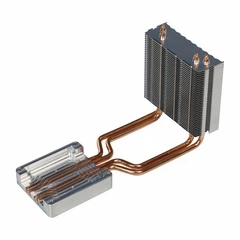
Hey there! As a supplier of aluminum radiators, I often get asked a pretty important question: Can an aluminum radiator be used in a high-pressure heating system? Well, let's dive right into this topic and explore the ins and outs.
First off, let's talk about what makes aluminum radiators so popular in the first place. Aluminum is a lightweight metal, which is a huge advantage. It's also a great conductor of heat, meaning it can efficiently transfer heat away from whatever it's attached to. This is super important in a radiator, as the main job is to dissipate heat. Plus, aluminum is corrosion-resistant, which helps to extend the lifespan of the radiator.
Now, when it comes to high-pressure heating systems, things get a bit more complicated. High-pressure systems operate under significant pressure, and this pressure can put a lot of stress on the components of the system, including the radiator. So, the big question is, can aluminum handle it?
The short answer is, it depends. Aluminum radiators are designed to handle a certain amount of pressure. Most standard aluminum radiators are built to withstand pressures within a normal range for typical heating systems. However, high-pressure systems often have much higher pressure requirements.
One of the main factors to consider is the design and construction of the aluminum radiator. A well-designed aluminum radiator with a robust structure can potentially handle higher pressures. For example, some radiators are made with thicker aluminum walls and reinforced joints. These features can help the radiator withstand the extra stress caused by high pressure.
Another important aspect is the quality of the aluminum used. High-quality aluminum alloys can have better mechanical properties, such as higher strength and better ductility. This means they can better resist deformation and cracking under pressure. So, if you're looking to use an aluminum radiator in a high-pressure system, it's crucial to choose one made from top-notch materials.


Let's take a look at some of the specific types of aluminum radiators we offer. We have the Aluminum Finned Heat Sink. This type of radiator has fins that increase the surface area for heat transfer. The fins are made of aluminum, which helps to dissipate heat quickly. In a high-pressure heating system, the fins can play an important role in maintaining efficient heat transfer, even under pressure.
Then there's the Air-Cooled Laser Module Heatsink. This radiator is designed for use in laser modules, but its principles can also be applied in high-pressure heating systems. It uses air cooling to remove heat, and the aluminum construction ensures good heat conductivity. The design of this radiator is optimized to handle the heat generated in high-power applications, which can be similar to the demands of a high-pressure heating system.
Our High-Power Efficient Stacked Heat Sink is another great option. As the name suggests, it's designed for high-power applications. The stacked design allows for increased heat dissipation capacity, which is crucial in a high-pressure heating system where there may be a lot of heat generated.
However, it's not all smooth sailing. There are some potential drawbacks to using an aluminum radiator in a high-pressure heating system. One concern is the potential for stress corrosion cracking. High pressure can increase the likelihood of this occurring, especially if the radiator is exposed to certain chemicals or environments. To mitigate this risk, it's important to ensure proper maintenance and use of inhibitors in the system.
Another issue is the potential for leaks. Even a small crack or weak spot in the radiator can lead to leaks under high pressure. This can not only cause a loss of efficiency but also pose a safety hazard. That's why it's essential to have the radiator thoroughly inspected and tested before installing it in a high-pressure system.
So, how do you decide if an aluminum radiator is right for your high-pressure heating system? Here are a few things to keep in mind:
- Pressure Rating: Check the pressure rating of the radiator. Make sure it can handle the maximum pressure of your heating system. If the pressure rating is too low, it's a no-go.
- System Requirements: Consider the specific requirements of your heating system, such as the temperature, flow rate, and type of fluid used. These factors can affect the performance and durability of the radiator.
- Budget: Aluminum radiators can be more cost-effective than some other materials, but you need to balance the cost with the performance and reliability. A high-quality radiator may cost more upfront but can save you money in the long run by reducing maintenance and replacement costs.
If you're still not sure whether an aluminum radiator is suitable for your high-pressure heating system, don't hesitate to reach out to us. We have a team of experts who can help you evaluate your needs and recommend the best solution. We can also provide detailed technical specifications and performance data to help you make an informed decision.
In conclusion, while an aluminum radiator can potentially be used in a high-pressure heating system, it's important to carefully consider the factors mentioned above. With the right design, construction, and maintenance, an aluminum radiator can offer efficient heat transfer and long-lasting performance in high-pressure applications. So, if you're in the market for a radiator for your high-pressure heating system, give aluminum a serious look.
If you're interested in learning more about our aluminum radiators or have any questions about using them in a high-pressure system, feel free to contact us. We're here to help you find the perfect radiator for your needs. Let's start a conversation and see how we can work together to meet your heating requirements.
References:
- Engineering Handbook on Aluminum Alloys
- Research Papers on High-Pressure Heating Systems and Radiator Materials