


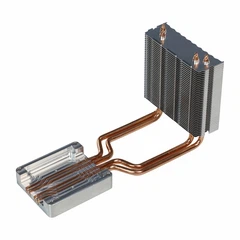
Hey there! I'm a supplier of cavity water cooling plates, and today I'm gonna share some tips on how to troubleshoot problems in these cooling plates. Cavity water cooling plates are crucial components in many applications, especially in the automotive and home appliance industries. They help in dissipating heat efficiently, ensuring the smooth operation of various systems.
Common Problems and Their Causes
Let's start by looking at some of the common problems you might encounter with cavity water cooling plates and what could be causing them.
1. Leakage
One of the most common issues is leakage. This can happen due to several reasons. First, there could be a crack in the plate itself. Maybe during the manufacturing process, there was a small flaw that wasn't detected, or it could have been damaged during installation or use. Another reason could be a faulty seal. If the seals around the water channels are not properly installed or have deteriorated over time, water can start to leak out.


2. Poor Cooling Performance
If you notice that the cooling plate isn't performing as well as it should, there could be a few culprits. One possibility is a blockage in the water channels. Over time, debris, sediment, or even algae can build up inside the channels, restricting the flow of water. This reduces the plate's ability to transfer heat effectively. Another reason could be an issue with the water pump. If the pump isn't working properly, it won't be able to circulate the water through the cooling plate at the right rate.
3. Corrosion
Corrosion is another problem that can affect cavity water cooling plates. This is often caused by the water itself. If the water contains high levels of minerals or chemicals, it can react with the metal of the cooling plate, causing it to corrode. This not only weakens the plate but can also lead to blockages in the water channels.
Troubleshooting Steps
Now that we've identified some of the common problems, let's look at how to troubleshoot them.
1. Check for Leakage
The first step in troubleshooting leakage is to visually inspect the cooling plate. Look for any signs of water stains or drips around the plate. If you find a leak, try to determine where it's coming from. If it's a small crack, you might be able to repair it using a suitable sealant. However, if the crack is large or the seal is severely damaged, you may need to replace the cooling plate.
2. Improve Cooling Performance
To address poor cooling performance, start by checking the water channels for blockages. You can do this by flushing the system with clean water. If there's a lot of debris, you might need to use a specialized cleaning solution. Make sure to follow the manufacturer's instructions when using any cleaning products.
Next, check the water pump. Make sure it's working properly and that the flow rate is correct. You can use a flow meter to measure the water flow. If the pump isn't working, it may need to be repaired or replaced.
3. Prevent Corrosion
To prevent corrosion, it's important to use the right type of water in the cooling system. Consider using deionized or distilled water, as these have fewer minerals and chemicals that can cause corrosion. You can also add a corrosion inhibitor to the water to protect the cooling plate.
Related Products
If you're in the market for high-quality cavity water cooling plates, we also offer related products that might interest you. Check out our Automobile Car Drainage Raditor and Lightweight Automotive Controller Water Cooling Plate. These products are designed to work seamlessly with our cavity water cooling plates and provide efficient cooling solutions for your automotive and home appliance needs. You can also explore our Automotive Controller Water Cooling Plate for more options.
Conclusion
Troubleshooting problems in cavity water cooling plates can seem daunting, but by following these steps, you can identify and fix most issues. Remember to regularly inspect and maintain your cooling plates to ensure they're working at their best. If you have any questions or need further assistance, don't hesitate to reach out. We're here to help you find the right cooling solutions for your needs. Whether you're an automotive manufacturer or a home appliance designer, our cavity water cooling plates can provide the reliable cooling performance you require. So, if you're interested in purchasing our products or have any inquiries, feel free to start a conversation with us. We look forward to working with you!
References
- General knowledge of cavity water cooling plate technology and troubleshooting.
- Industry best practices for maintaining and repairing cooling systems.