


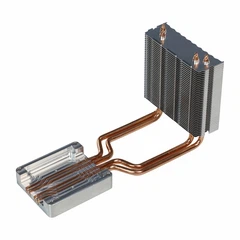
Hey there, coffee lovers and coffee machine enthusiasts! As a supplier of coffee machine coolers, I've seen firsthand how these nifty devices play a crucial role in the coffee brewing process. In this blog, I'm gonna break down how a coffee machine cooler interacts with the coffee brewing process, and why it's so important.
The Basics of Coffee Brewing
Before we dive into the role of the cooler, let's quickly go over the basics of coffee brewing. The process starts with grinding coffee beans. The freshly ground coffee is then mixed with hot water. This hot water extracts the flavors, oils, and caffeine from the coffee grounds, creating that delicious cup of joe we all love.
The temperature of the water during this extraction process is super important. If the water is too hot, it can over - extract the coffee, making it bitter. If it's too cold, it won't extract enough, resulting in a weak and flavorless brew. Most experts agree that the ideal water temperature for brewing coffee is between 195°F and 205°F (90.5°C - 96°C).


Enter the Coffee Machine Cooler
So, where does the coffee machine cooler come in? Well, in many coffee machines, especially commercial ones, the heating element is constantly producing hot water. After the brewing cycle is complete, the water in the machine can still be very hot. This residual heat can cause problems if it's not managed properly.
A coffee machine cooler helps regulate the temperature of the water in the machine. It does this by removing excess heat from the water. This is important for a few reasons.
First, it helps maintain the quality of the coffee. As I mentioned earlier, the right temperature is crucial for a good brew. After the brewing is done, if the water in the machine stays too hot, it can start to over - extract any remaining coffee grounds in the machine. This can lead to a bitter taste in the next cup of coffee. The cooler ensures that the water cools down quickly, preventing this over - extraction.
Second, it protects the components of the coffee machine. High temperatures for extended periods can damage the internal parts of the machine, such as the pump, valves, and hoses. By keeping the water at a reasonable temperature, the cooler extends the lifespan of these components, saving you money on repairs and replacements in the long run.
How Does the Cooler Work?
Coffee machine coolers typically use a cooling coil. These coils are made from different types of materials, each with its own benefits. For example, we offer Spring - type Stainless Steel 316 Coil. Stainless steel 316 is known for its corrosion resistance and durability. It can withstand the high - temperature and high - pressure environment inside a coffee machine without rusting or degrading.
Another option is the Double - layer Stainless Steel 317 Coil. The double - layer design provides better insulation and heat transfer properties. It can cool the water more efficiently, which is great for high - volume coffee machines that need to brew multiple cups in a short period.
We also have the Coffee Machine Stainless Steel 319 Cooling Coil. Stainless steel 319 has excellent heat conductivity, which means it can quickly absorb and dissipate heat. This makes it ideal for rapid cooling of the water in the coffee machine.
When the hot water from the brewing process passes through the cooling coil, the heat from the water is transferred to the coil. The coil then dissipates this heat into the surrounding air or a cooling medium, such as water or a refrigerant. As a result, the temperature of the water in the machine drops rapidly.
Impact on Different Brewing Methods
The interaction between the coffee machine cooler and the brewing process can vary depending on the brewing method.
Espresso Machines
In espresso machines, the cooler is especially important. Espresso is brewed under high pressure and at a relatively high temperature. After the shot is pulled, the residual heat in the machine can quickly over - extract any remaining coffee in the portafilter. A good cooler helps cool down the water and the internal components of the machine, ensuring that each shot of espresso is consistent in flavor and quality.
Drip Coffee Machines
For drip coffee machines, the cooler helps maintain the optimal brewing temperature throughout the brewing cycle. It prevents the water from getting too hot, which can lead to over - extraction. Additionally, after the brewing is finished, the cooler helps cool down the water in the reservoir, so the next batch of coffee brewed will be of high quality.
French Press
While French press brewing doesn't rely on a machine - based cooling system as much as espresso or drip machines, some high - end French press setups may incorporate a cooling element. This can help cool down the coffee quickly after brewing, preventing over - extraction and preserving the delicate flavors of the coffee.
The Benefits of Using Our Coffee Machine Coolers
As a supplier, we take pride in offering high - quality coffee machine coolers. Our coolers are designed to be efficient, reliable, and easy to install. They are made from top - notch materials that can withstand the rigors of daily use in both home and commercial coffee machines.
By using our coffee machine coolers, you can expect:
- Consistent Coffee Quality: Ensure that every cup of coffee you brew is as delicious as the last.
- Extended Machine Lifespan: Protect your coffee machine from the damage caused by high temperatures, saving you money on repairs and replacements.
- Energy Efficiency: Our coolers are designed to use energy efficiently, reducing your overall energy consumption.
Let's Talk Business
If you're in the market for a coffee machine cooler, I'd love to have a chat with you. Whether you're a coffee shop owner looking to upgrade your commercial machines or a home coffee enthusiast wanting to improve your brewing setup, we've got the right cooler for you. Reach out to us, and let's discuss how our products can meet your needs.
References
- Illy, I., & Viani, R. (2005). Espresso Coffee: The Science of Quality. Elsevier.
- Thurston, L. H. (2012). The Coffee Roaster's Companion: Roasting Art, Science, and Practice. Roasting Party Press.