


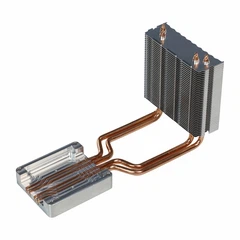
The automotive cooling system is an unsung hero in the complex machinery of a vehicle. It plays a pivotal role in ensuring the smooth operation and longevity of the engine, as well as the overall performance of the vehicle. As a leading supplier of automotive cooling systems, I have witnessed firsthand the critical importance of a well - functioning cooling system. In this blog, I will delve into the reasons why an automotive cooling system is so important.
1. Engine Thermoregulation
The engine is the heart of a vehicle, and it generates an enormous amount of heat during its operation. When fuel is combusted inside the engine cylinders, temperatures can soar to extremely high levels. Without an effective cooling system, this excessive heat can cause severe damage to the engine components.
Metals expand when heated, and if the engine overheats, the expansion of engine parts can lead to a loss of dimensional accuracy. Pistons, for example, may seize in the cylinders, resulting in a complete engine breakdown. Additionally, high temperatures can cause the engine oil to break down, losing its lubricating properties. This, in turn, increases friction between moving parts, leading to wear and tear at an accelerated rate.
The cooling system works by circulating coolant, typically a mixture of water and antifreeze, through the engine block. The coolant absorbs heat from the engine and then transfers it to the radiator. The radiator, which is a key component of the cooling system, uses a network of thin tubes and fins to dissipate the heat into the surrounding air. This continuous process of heat transfer helps to maintain the engine at an optimal operating temperature, usually between 195°F and 220°F (90°C - 105°C).
2. Component Protection
Apart from the engine, there are other vital components in a vehicle that generate heat and require cooling. For instance, modern vehicles are equipped with sophisticated electronic systems, such as the automotive controller. These controllers manage various functions of the vehicle, from the engine's performance to the operation of the infotainment system.
During their operation, these electronic components generate heat. If the heat is not dissipated properly, it can lead to malfunctions and even permanent damage. Our Lightweight Automotive Controller Water Cooling Plate is designed to address this issue. It uses a water - cooling mechanism to efficiently remove heat from the automotive controller, ensuring its stable and reliable operation.
The battery is another crucial component that benefits from proper cooling. With the increasing popularity of electric and hybrid vehicles, energy storage batteries are becoming more powerful and complex. Batteries can generate a significant amount of heat when charging and discharging. High temperatures can degrade the battery's performance and reduce its lifespan. Our Cavity - type Energy Storage Battery Water Cooling Plate offers an effective solution for cooling these batteries. By maintaining the battery at an appropriate temperature, it helps to optimize the battery's performance and extend its service life.


3. Improved Fuel Efficiency
An engine operating at the correct temperature is more fuel - efficient. When the engine is too cold, the fuel does not burn as efficiently, resulting in increased fuel consumption. The engine control unit (ECU) adjusts the air - fuel mixture based on the engine temperature. If the engine is cold, the ECU will increase the amount of fuel injected to ensure proper combustion. However, this rich air - fuel mixture is less efficient and can lead to higher emissions.
On the other hand, an overheating engine can also reduce fuel efficiency. When the engine is too hot, the combustion process becomes less stable, and the engine may require more power to operate. This additional power demand leads to increased fuel consumption. A properly functioning cooling system helps to keep the engine within its optimal temperature range, ensuring efficient fuel combustion and reducing fuel consumption.
4. Emission Reduction
Environmental concerns are at the forefront of the automotive industry today. Governments around the world are implementing strict emission standards to reduce the environmental impact of vehicles. A well - maintained cooling system plays a significant role in emission reduction.
As mentioned earlier, an engine operating at the correct temperature burns fuel more efficiently. This leads to a more complete combustion process, reducing the amount of unburned hydrocarbons, carbon monoxide, and nitrogen oxides released into the atmosphere. In addition, a cooling system that effectively manages the temperature of the catalytic converter is crucial. The catalytic converter is responsible for converting harmful exhaust gases into less harmful substances. If the catalytic converter overheats, its efficiency decreases, leading to increased emissions.
5. Vehicle Reliability and Longevity
Investing in a high - quality automotive cooling system is essential for ensuring the long - term reliability and longevity of a vehicle. A faulty cooling system can lead to a series of problems, from minor inconveniences like overheating warnings to major engine failures.
Regular maintenance of the cooling system, including checking the coolant level, inspecting the radiator for damage, and replacing the thermostat at the recommended intervals, can prevent many cooling - related issues. Our company supplies a wide range of cooling system components, including Automobile Car Drainage Raditor, which are designed to meet the highest quality standards. These components are built to last, providing reliable performance and reducing the risk of breakdowns.
Contact for Procurement
If you are in the market for top - quality automotive cooling systems and components, we would be delighted to discuss your requirements. Our team of experts is ready to provide you with tailored solutions that meet your specific needs. Whether you are an automotive manufacturer looking for reliable cooling system suppliers or a repair shop in need of high - quality replacement parts, we have the expertise and products to support you.
References
- Heywood, J. B. (1988). Internal combustion engine fundamentals. McGraw - Hill.
- Crolla, D. A. (2001). Vehicle dynamics. Thomson Learning.
- Boslaugh, S. (2012). Statistics in a nutshell: A desktop quick reference. O'Reilly Media.