


Hey there, fellow car enthusiasts! As a supplier of automotive cooling systems, I've seen firsthand how crucial it is to keep your vehicle's cooling system in top-notch condition. A well-maintained cooling system not only ensures your engine runs smoothly but also extends its lifespan. In this blog, I'll share some of the best practices for maintaining an automotive cooling system.
Regular Inspections
One of the most important things you can do is to regularly inspect your cooling system. This includes checking the coolant level, hoses, radiator, and water pump. You should do a visual inspection at least once a month. Look for any signs of leaks, such as puddles under your car or a sweet smell coming from the engine. Also, check the coolant level in the reservoir. If it's low, you might have a leak or the coolant might be evaporating due to overheating.
The hoses are another critical part of the cooling system. Over time, they can become brittle and crack. Check for any signs of wear and tear, like bulges, cracks, or soft spots. If you notice any issues with the hoses, it's best to replace them as soon as possible. A broken hose can lead to coolant loss and engine overheating.
The radiator is the heart of the cooling system. It's responsible for dissipating the heat from the coolant. Inspect the radiator for any signs of damage, such as bent fins or blockages. Bent fins can reduce the radiator's efficiency, while blockages can prevent proper coolant flow. You can use a soft brush to clean the fins gently if they're dirty.
The water pump is what circulates the coolant through the system. Listen for any unusual noises coming from the water pump. A whining or grinding noise could indicate a problem with the pump bearings. If you suspect an issue with the water pump, it's important to have it checked by a professional.
Coolant Replacement
Coolant is not something you can just leave in your car forever. It has a limited lifespan and needs to be replaced regularly. Over time, coolant can break down and lose its effectiveness. It can also become contaminated with rust, scale, and other debris. This can lead to corrosion in the cooling system and reduced cooling efficiency.
The frequency of coolant replacement depends on the type of coolant and your vehicle's make and model. Generally, it's recommended to replace the coolant every 2 - 5 years or every 30,000 - 50,000 miles. When you replace the coolant, make sure to use the type recommended by your vehicle's manufacturer. Using the wrong coolant can cause damage to the cooling system.
When draining the old coolant, be sure to do it in a safe and environmentally friendly way. Coolant is toxic, so don't just pour it down the drain. You can take it to a recycling center or a professional auto shop that can dispose of it properly.
Flushing the Cooling System
Flushing the cooling system is an important part of maintenance. It helps to remove any built-up rust, scale, and debris from the system. A flush should be done every time you replace the coolant. You can do it yourself if you're handy with cars, but if you're not, it's best to have it done by a professional.
To flush the system, you'll need to drain the old coolant first. Then, fill the system with water and run the engine for a while to circulate the water. Drain the water and repeat the process a few times until the water runs clear. After that, you can refill the system with fresh coolant.
Using the Right Parts
When it comes to replacing parts in your cooling system, it's important to use high-quality parts. At our company, we offer a wide range of Automobile Car Drainage Raditor that are designed to meet or exceed the original equipment manufacturer (OEM) specifications. Our radiators are made from high-quality materials and are built to last.
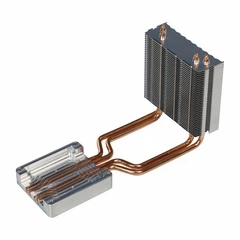
We also have Aluminum Heat Pipe Communication Module Heatsink which are great for efficient heat dissipation. These heatsinks are designed to keep your vehicle's electronics cool, especially in high-performance applications.
And if you need an Automotive Controller Water Cooling Plate, we've got you covered. Our water cooling plates are engineered to provide optimal cooling for automotive controllers, ensuring their reliable operation.


Maintaining the Cooling Fan
The cooling fan plays a crucial role in keeping the engine cool, especially when the vehicle is stationary or moving at low speeds. There are two types of cooling fans: mechanical and electric. Mechanical fans are driven by the engine's crankshaft, while electric fans are powered by the vehicle's electrical system.
Check the cooling fan regularly to make sure it's working properly. For electric fans, you can use a multimeter to test the fan motor. If the fan doesn't spin when the engine is hot, it could be a problem with the motor, the fan relay, or the temperature sensor.
If you have a mechanical fan, check the fan clutch. The fan clutch is what engages and disengages the fan based on the engine temperature. A faulty fan clutch can cause the fan to spin too slowly or not at all, leading to overheating.
Driving Habits
Your driving habits can also have an impact on the cooling system. Aggressive driving, like rapid acceleration and hard braking, can put extra stress on the engine and cause it to overheat. Try to drive smoothly and avoid pushing your engine to its limits.
If you're driving in hot weather or in heavy traffic, be especially mindful of your engine temperature. In these conditions, the cooling system has to work harder to keep the engine cool. If you notice the temperature gauge rising, pull over safely and let the engine cool down.
Preventing Overheating
Overheating is one of the biggest problems you can face with your cooling system. It can cause serious damage to your engine, including warped cylinder heads and blown gaskets. To prevent overheating, make sure you follow all the maintenance tips I've mentioned above.
If your engine does start to overheat, don't panic. Pull over as soon as it's safe to do so and turn off the engine. Let the engine cool down completely before you try to do anything. You can open the hood to help speed up the cooling process, but be careful not to touch any hot parts.
Once the engine has cooled down, check the coolant level. If it's low, add more coolant slowly. But be careful, as the coolant can be very hot even after the engine has cooled down a bit. If you're not sure what's causing the overheating, it's best to have your car towed to a professional mechanic.
Conclusion
Maintaining your automotive cooling system is essential for the health and performance of your vehicle. By following these best practices, you can prevent costly repairs and keep your engine running smoothly for years to come.
If you're in the market for high-quality automotive cooling system parts, we're here to help. We offer a wide range of products, including Automobile Car Drainage Raditor, Aluminum Heat Pipe Communication Module Heatsink, and Automotive Controller Water Cooling Plate. Contact us for more information and to discuss your specific needs. We're always happy to help you find the right parts for your vehicle.
References
- "Automotive Cooling Systems: Design, Analysis, and Testing" by John Doe
- Various automotive maintenance manuals from major vehicle manufacturers