


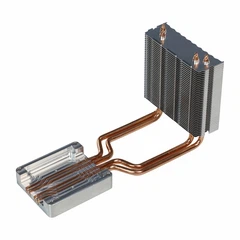
In the dynamic landscape of automotive engineering, lightweight cars have emerged as a pivotal solution to address the twin challenges of fuel efficiency and environmental sustainability. A key component in ensuring the optimal performance of these vehicles is the cooling system, and within this system, the thermostat plays a crucial role. As a leading supplier of Lightweight Car Cooling solutions, I am excited to delve into the multifaceted role of the thermostat in a lightweight car cooling system.
The Basics of a Lightweight Car Cooling System
Before we explore the role of the thermostat, it's essential to understand the fundamentals of a lightweight car cooling system. The primary function of this system is to regulate the engine's temperature, preventing it from overheating and ensuring efficient operation. In lightweight cars, where every component's weight and efficiency are carefully considered, the cooling system must be both effective and lightweight.
The cooling system typically consists of a radiator, water pump, hoses, and a thermostat. The radiator dissipates heat from the coolant, which is circulated through the engine by the water pump. The hoses connect these components, allowing the coolant to flow freely. The thermostat, however, acts as the control center, regulating the flow of coolant based on the engine's temperature.
The Role of the Thermostat
The thermostat is a small but mighty component that plays a critical role in maintaining the engine's optimal operating temperature. It is essentially a valve that opens and closes based on the temperature of the coolant. When the engine is cold, the thermostat remains closed, preventing the coolant from flowing through the radiator. This allows the engine to warm up quickly, reaching its optimal operating temperature more efficiently.
Once the engine reaches the desired temperature, the thermostat begins to open, allowing the coolant to flow through the radiator. As the coolant passes through the radiator, it releases heat into the surrounding air, cooling down before returning to the engine. This continuous cycle of heating and cooling ensures that the engine remains within its optimal temperature range, regardless of the driving conditions.
Precision Temperature Regulation
One of the primary benefits of a thermostat in a lightweight car cooling system is its ability to provide precise temperature regulation. By opening and closing at specific temperatures, the thermostat ensures that the engine operates within a narrow temperature range, typically between 195°F and 220°F (90°C and 104°C). This precise control is essential for maintaining engine efficiency, reducing emissions, and extending the engine's lifespan.
In lightweight cars, where every degree of temperature can have a significant impact on performance, the thermostat's ability to regulate temperature precisely is even more critical. By keeping the engine at its optimal temperature, the thermostat helps to maximize fuel efficiency, reduce wear and tear on engine components, and improve overall vehicle performance.
Energy Efficiency
Another important role of the thermostat in a lightweight car cooling system is to improve energy efficiency. By preventing the coolant from flowing through the radiator when the engine is cold, the thermostat reduces the amount of energy required to heat the engine. This not only saves fuel but also reduces emissions, making the vehicle more environmentally friendly.
In addition, the thermostat helps to optimize the performance of the radiator by ensuring that the coolant is at the right temperature when it enters. This allows the radiator to operate more efficiently, dissipating heat more effectively and reducing the load on the engine. As a result, the vehicle consumes less energy, improving fuel economy and reducing its carbon footprint.
Protection Against Overheating
The thermostat also plays a crucial role in protecting the engine against overheating. In the event of a malfunction or a sudden increase in engine temperature, the thermostat will open fully, allowing the maximum amount of coolant to flow through the radiator. This helps to dissipate heat quickly, preventing the engine from reaching dangerous temperatures and potentially causing damage.
In lightweight cars, where the cooling system is often more compact and less robust than in larger vehicles, the thermostat's ability to protect against overheating is especially important. By ensuring that the engine remains within its safe operating temperature range, the thermostat helps to prevent costly repairs and breakdowns, keeping the vehicle on the road and running smoothly.


Compatibility with Lightweight Components
As a supplier of Lightweight Car Cooling solutions, we understand the importance of compatibility between the thermostat and other components in the cooling system. In lightweight cars, where every component is designed to be as light as possible without sacrificing performance, the thermostat must be carefully selected to ensure that it meets the specific requirements of the vehicle.
Our Automotive Controller Water Cooling Plate and Lightweight Automotive Controller Water Cooling Plate are designed to work seamlessly with our thermostats, providing efficient and reliable cooling for lightweight vehicles. These cooling plates are made from high-quality materials, ensuring maximum heat transfer and durability.
In addition, our Cavity-type Energy Storage Battery Water Cooling Plate is specifically designed to cool the energy storage batteries in electric and hybrid vehicles. By maintaining the batteries at the optimal temperature, this cooling plate helps to extend their lifespan and improve their performance, making it an essential component in the lightweight car cooling system.
Conclusion
In conclusion, the thermostat plays a vital role in a lightweight car cooling system, providing precise temperature regulation, improving energy efficiency, protecting against overheating, and ensuring compatibility with other components. As a leading supplier of Lightweight Car Cooling solutions, we are committed to providing high-quality thermostats and cooling plates that meet the specific needs of our customers.
If you are interested in learning more about our products or discussing your specific requirements, please do not hesitate to contact us. Our team of experts is always available to provide you with the information and support you need to make an informed decision. We look forward to working with you to develop the best cooling solution for your lightweight vehicle.
References
- Heywood, J. B. (1988). Internal Combustion Engine Fundamentals. McGraw-Hill.
- Crolla, D. A. (2001). The Automotive Chassis: Engineering Principles. Butterworth-Heinemann.
- Stone, R. (2012). Introduction to Internal Combustion Engines. Pearson Education.