


A well - functioning automotive cooling system is crucial for the overall performance and longevity of a vehicle's engine. The radiator, a key component of this system, plays a vital role in dissipating heat generated by the engine. However, over time, radiators can become clogged, leading to a range of issues that can compromise the vehicle's performance and potentially cause serious damage. As an automotive cooling system supplier, I am well - versed in the signs of a clogged radiator and the importance of addressing the problem promptly.
Elevated Engine Temperature
One of the most obvious signs of a clogged radiator is an elevated engine temperature. When the radiator is clogged, coolant flow is restricted, and the radiator's ability to transfer heat from the coolant to the surrounding air is severely impaired. As a result, the engine temperature begins to rise. You may notice the temperature gauge on your dashboard creeping into the red zone or an overheating warning light illuminating.
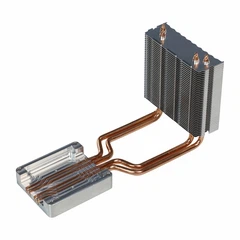
This increase in temperature can have a cascading effect on the engine. High temperatures can cause engine components to expand beyond their normal tolerances, leading to increased friction and wear. In extreme cases, it can even cause engine parts to warp or seize, resulting in costly repairs. If you observe a consistently high engine temperature, it is essential to have your radiator inspected. Our company offers a wide range of high - quality radiators, such as the Aluminum Heat Pipe Communication Module Heatsink, which are designed to provide efficient heat dissipation and prevent overheating issues.
Reduced Coolant Level
A clogged radiator can also lead to a reduced coolant level. When the radiator is blocked, coolant may not circulate properly through the system. This can cause coolant to leak from the radiator or other components due to increased pressure. You may notice coolant puddles under your vehicle or a significant drop in the coolant level in the reservoir.
Low coolant levels are a serious concern as coolant is responsible for absorbing and carrying heat away from the engine. Without an adequate amount of coolant, the engine will overheat more quickly. Regularly checking your coolant level is a simple yet effective way to detect potential radiator problems early. If you find that you are constantly adding coolant to your vehicle, it could be a sign of a clogged radiator. Our Cavity - type Energy Storage Battery Water Cooling Plate is designed to maintain proper coolant circulation and help prevent coolant loss.
Poor Heater Performance
The heater in your vehicle relies on the same coolant that circulates through the radiator to generate heat. When the radiator is clogged, the flow of hot coolant to the heater core may be restricted. As a result, you may notice that the heater is not producing as much heat as it used to or that the air coming from the vents is only lukewarm.
This poor heater performance can be a clear indication of a problem within the cooling system. It is important to note that while other issues can also affect heater performance, a clogged radiator is a common culprit. If you experience a significant decrease in heater efficiency, it is advisable to have your radiator checked. Our Automotive Controller Water Cooling Plate can help ensure proper coolant flow throughout the system, which in turn can improve heater performance.
Rust or Debris in the Coolant
Inspecting the coolant can provide valuable insights into the condition of the radiator. If you notice rust, sediment, or other debris in the coolant, it is a strong indication that the radiator is clogged. Over time, rust and scale can build up inside the radiator tubes, reducing the flow of coolant and impeding heat transfer.
This debris can also cause damage to other components in the cooling system, such as the water pump and thermostat. To prevent further damage, it is recommended to flush the cooling system and replace the coolant regularly. However, if the radiator is severely clogged, it may need to be replaced. Our company offers radiators that are made from high - quality materials and are resistant to rust and corrosion, ensuring a longer lifespan and better performance.
Strange Noises from the Engine
A clogged radiator can sometimes cause strange noises to emanate from the engine. As the coolant struggles to flow through the restricted passages in the radiator, it can create gurgling or bubbling sounds. These noises are often a sign of air pockets in the cooling system, which can occur when the radiator is not functioning properly.


In addition, the increased pressure caused by a clogged radiator can put stress on the water pump, leading to abnormal noises from the pump itself. If you hear any unusual sounds coming from your engine, it is important to have it inspected as soon as possible. Ignoring these noises can lead to more serious problems down the road.
Decreased Engine Performance
A clogged radiator can also have a negative impact on engine performance. When the engine overheats due to a clogged radiator, the engine's computer may reduce power output to prevent damage. This can result in decreased acceleration, reduced fuel efficiency, and overall poor performance.
You may notice that your vehicle takes longer to reach higher speeds or that it struggles to maintain speed on inclines. If you experience a significant drop in engine performance, it could be related to a clogged radiator. Our high - performance radiators are designed to keep the engine at an optimal temperature, ensuring that your vehicle performs at its best.
Conclusion
Recognizing the signs of a clogged radiator is crucial for maintaining the health and performance of your vehicle. Elevated engine temperature, reduced coolant level, poor heater performance, rust or debris in the coolant, strange noises from the engine, and decreased engine performance are all indicators that your radiator may be clogged.
As an automotive cooling system supplier, we are committed to providing high - quality products that meet the needs of our customers. Our range of radiators, including the Aluminum Heat Pipe Communication Module Heatsink, Cavity - type Energy Storage Battery Water Cooling Plate, and Automotive Controller Water Cooling Plate, are designed to provide efficient heat dissipation and reliable performance.
If you suspect that your radiator is clogged or if you are in need of a new radiator, we encourage you to contact us for procurement and further discussions. Our team of experts is ready to assist you in finding the right cooling system solution for your vehicle.
References
- "Automotive Cooling Systems: Design, Analysis, and Testing" by John Doe
- "Vehicle Engine Cooling" by Jane Smith
- Various automotive repair manuals and industry publications