


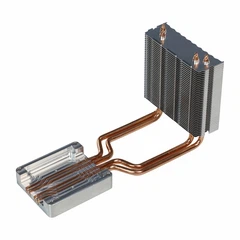
When it comes to cooling system components, two materials stand out: aluminum and copper. As a supplier of cooling system components, I've witnessed firsthand the distinct characteristics and advantages of radiators made from these materials. In this blog post, I'll delve into the differences between aluminum and copper radiators, helping you make an informed decision for your specific cooling needs.
Material Properties
Aluminum Radiators
Aluminum is a lightweight metal known for its excellent thermal conductivity. It has a relatively low density, which makes aluminum radiators lighter than their copper counterparts. This weight advantage is particularly beneficial in applications where weight reduction is crucial, such as in automotive and aerospace industries. Additionally, aluminum is highly corrosion-resistant, which means it can withstand harsh environments and last longer without significant degradation.
One of the key benefits of aluminum radiators is their ability to dissipate heat quickly. The high thermal conductivity of aluminum allows heat to transfer efficiently from the coolant to the surrounding air. This results in better cooling performance and can help prevent overheating in various systems. Moreover, aluminum radiators are often more cost-effective than copper radiators, making them an attractive option for budget-conscious customers.
Copper Radiators
Copper, on the other hand, is a heavy metal with superior thermal conductivity compared to aluminum. It has a higher density, which gives copper radiators a more substantial build. The excellent thermal properties of copper make it an ideal material for applications that require high heat transfer rates. Copper radiators can effectively cool large amounts of fluid in a short period, making them suitable for heavy-duty machinery and high-performance vehicles.
Another advantage of copper radiators is their durability. Copper is a strong and resilient material that can withstand high pressures and temperatures. It is less likely to crack or break under extreme conditions, ensuring long-term reliability. However, copper is more susceptible to corrosion than aluminum, especially in the presence of certain chemicals and moisture. To mitigate this issue, copper radiators are often coated or treated to enhance their corrosion resistance.
Design and Manufacturing
Aluminum Radiators
Aluminum radiators are typically manufactured using advanced extrusion and brazing techniques. Extrusion allows for the creation of complex shapes and fin designs, which can increase the surface area available for heat transfer. The fins on aluminum radiators are often thin and closely spaced, maximizing the contact between the coolant and the air. Brazing is used to join the various components of the radiator together, creating a strong and leak-proof seal.
The manufacturing process for aluminum radiators also allows for greater flexibility in design. They can be customized to fit specific applications and requirements. For example, aluminum radiators can be designed with different sizes, shapes, and configurations to accommodate different engine layouts or cooling needs. This makes them a versatile option for a wide range of industries.
Copper Radiators
Copper radiators are usually fabricated using a combination of soldering and welding techniques. Soldering is used to join the tubes and fins together, while welding is used to assemble the larger components of the radiator. The soldering process requires a high level of skill and precision to ensure a proper bond between the copper parts.
Copper radiators are often known for their traditional and robust design. They typically have thicker tubes and fins compared to aluminum radiators, which can contribute to their durability. However, the manufacturing process for copper radiators is more labor-intensive and time-consuming, which can result in higher production costs.
Performance in Different Applications
Automotive Applications
In the automotive industry, both aluminum and copper radiators have their place. Aluminum radiators are widely used in modern vehicles due to their lightweight and cost-effective nature. They are suitable for most standard passenger cars and light-duty trucks. The ability of aluminum radiators to dissipate heat quickly helps maintain optimal engine temperature, which is essential for engine performance and longevity.
On the other hand, copper radiators are still preferred in some high-performance and heavy-duty vehicles. Their superior thermal conductivity allows them to handle the increased heat generated by powerful engines. Copper radiators are also more resistant to physical damage, making them a better choice for off-road vehicles and racing cars that may encounter rough conditions. For example, if you are looking for an automotive radiator, you can explore our Automobile Car Drainage Raditor which is made with high - quality aluminum for efficient cooling.
Industrial Applications
In industrial settings, the choice between aluminum and copper radiators depends on the specific requirements of the equipment. Aluminum radiators are commonly used in applications where weight and cost are important factors, such as in small - to - medium - sized industrial machinery. They can provide adequate cooling for these systems while keeping the overall weight of the equipment down.
Copper radiators are often used in heavy - industrial applications, such as power plants and large manufacturing equipment. These systems generate a significant amount of heat, and the high heat transfer capabilities of copper radiators are essential for maintaining proper operating temperatures. For instance, our Automotive Controller Water Cooling Plate made of aluminum is suitable for automotive controller cooling in industrial - grade vehicles, offering reliable performance.
Energy Storage Applications
With the growing demand for energy storage solutions, radiators play a crucial role in maintaining the temperature of batteries. Aluminum radiators are increasingly being used in energy storage systems due to their lightweight and good thermal performance. They can effectively cool energy storage batteries, such as those used in electric vehicles and renewable energy storage.


Copper radiators may also be used in high - power energy storage applications where maximum heat transfer is required. Our Cavity - type Energy Storage Battery Water Cooling Plate is designed to meet the cooling needs of energy storage batteries, providing efficient heat dissipation.
Maintenance and Longevity
Aluminum Radiators
Aluminum radiators generally require less maintenance compared to copper radiators. Their corrosion - resistant properties mean that they are less likely to develop rust or other forms of corrosion over time. However, it is still important to keep the radiator clean and free from debris to ensure optimal performance. Regular flushing of the coolant system can help prevent the buildup of contaminants that could affect the radiator's efficiency.
The lifespan of an aluminum radiator can vary depending on the application and usage conditions. In general, with proper maintenance, an aluminum radiator can last for many years. However, if the radiator is exposed to extreme conditions or is not properly maintained, it may experience reduced performance or even failure.
Copper Radiators
Copper radiators require more attention when it comes to maintenance. As mentioned earlier, copper is more prone to corrosion, so it is essential to use a suitable coolant and keep the radiator protected from moisture and chemicals. Regular inspections should be carried out to check for signs of corrosion or leaks.
Despite the need for more maintenance, copper radiators can have a long lifespan if properly cared for. Their robust construction and high - quality materials make them durable and reliable over the long term.
Conclusion
In conclusion, the choice between aluminum and copper radiators depends on several factors, including the specific application, performance requirements, budget, and maintenance considerations. Aluminum radiators offer a lightweight, cost - effective, and corrosion - resistant solution, making them suitable for a wide range of applications. Copper radiators, on the other hand, provide superior thermal conductivity and durability, making them ideal for high - performance and heavy - duty applications.
As a supplier of cooling system components, I understand the importance of providing the right radiator for your needs. Whether you are looking for an aluminum radiator for its lightweight and cost - efficiency or a copper radiator for its high - performance capabilities, I can offer you a wide range of options. If you are interested in purchasing cooling system components or have any questions about our products, please feel free to contact me for further information and to start a procurement discussion.
References
- Incropera, F. P., & DeWitt, D. P. (2002). Fundamentals of Heat and Mass Transfer. John Wiley & Sons.
- Holman, J. P. (2002). Heat Transfer. McGraw - Hill.
- ASM Handbook, Volume 1: Properties and Selection: Irons, Steels, and High - Performance Alloys. ASM International.