


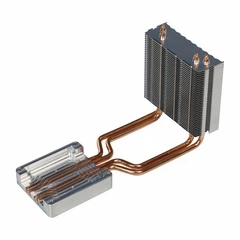
Yo, folks! Today, I wanna chat about something super interesting in the automotive and industrial world: Can an all aluminum stacked radiator improve fuel efficiency? As a supplier of All Aluminum Stacked Radiators, I've seen firsthand the impact these bad boys can have, and I'm stoked to share my insights with you.
Let's start with the basics. What the heck is an all aluminum stacked radiator? Well, it's a radiator made entirely of aluminum, which is known for being lightweight and having excellent heat transfer properties. The "stacked" part means that the radiator is constructed with multiple layers or fins stacked on top of each other. This design maximizes the surface area available for heat exchange, allowing the radiator to cool the engine more efficiently.
Now, let's get to the big question: Can it really improve fuel efficiency? The answer is a resounding yes, and here's why.
How All Aluminum Stacked Radiators Improve Fuel Efficiency
1. Better Heat Dissipation
One of the main reasons an all aluminum stacked radiator can improve fuel efficiency is its superior heat dissipation capabilities. When your engine runs, it generates a ton of heat. If that heat isn't properly dissipated, the engine has to work harder to maintain its optimal operating temperature. This extra work means burning more fuel.
An all aluminum stacked radiator, with its large surface area and high thermal conductivity, can quickly and effectively transfer heat away from the engine. This keeps the engine running at a cooler, more efficient temperature, reducing the amount of energy it needs to expend. As a result, your vehicle uses less fuel to perform the same tasks.
2. Lightweight Design
Aluminum is a lightweight material compared to other metals commonly used in radiators, like copper. A lighter radiator means less overall weight for your vehicle. And as we all know, the less weight a vehicle has to carry, the less fuel it needs to move.
Think about it this way: If you're trying to push a heavy cart, you'll have to use more energy than if you're pushing a lighter one. The same principle applies to vehicles. By using an all aluminum stacked radiator, you're reducing the weight of your vehicle, which in turn reduces the amount of fuel needed to power it.
3. Improved Engine Performance
When your engine is running at a cooler temperature, it can perform more efficiently. This means better combustion, smoother operation, and less wear and tear on the engine components. All of these factors contribute to improved fuel efficiency.
A well-cooled engine can also maintain its power output more consistently. This means you won't have to step on the gas as hard to get the same level of performance, which translates to less fuel consumption.
Real-World Examples
I've had customers come to me with amazing stories about how our all aluminum stacked radiators have improved their fuel efficiency. One guy who owns a delivery truck told me that after installing our radiator, he noticed a significant drop in his fuel costs. He used to fill up his tank every other day, but now he can go three days without refueling. That's a huge savings over time!
Another customer, a race car driver, said that our radiator helped him shave a few seconds off his lap times. Not only did it improve the performance of his car, but it also reduced the amount of fuel he needed to use during a race.
Other Benefits of All Aluminum Stacked Radiators
1. Durability
Aluminum is a highly durable material that can withstand extreme temperatures and harsh conditions. An all aluminum stacked radiator is less likely to corrode or rust compared to radiators made from other materials. This means it will last longer and require less maintenance, saving you money in the long run.
2. Customizability
As a supplier, I can tell you that all aluminum stacked radiators are highly customizable. We can design and manufacture radiators to fit a wide range of applications, from small cars to large industrial equipment. Whether you need a radiator with a specific size, shape, or cooling capacity, we can make it happen.
3. Environmental Friendliness
Using an all aluminum stacked radiator is also better for the environment. Since it improves fuel efficiency, it reduces the amount of greenhouse gas emissions produced by your vehicle. Additionally, aluminum is a recyclable material, so when it's time to replace your radiator, you can rest assured that it won't end up in a landfill.
Our Product Range
At our company, we offer a wide range of all aluminum stacked radiators to meet the needs of different customers. We also have some other great radiator products that you might be interested in:
- High-Power Efficient Stacked Heat Sink: This heat sink is designed to provide high-power cooling for a variety of applications. It's perfect for use in electronics, industrial equipment, and more.
- Air-Cooled Laser Module Heatsink: If you're in the laser industry, this heatsink is a must-have. It's designed to keep your laser module cool and running efficiently, ensuring optimal performance.
- Black Skived Toothed Heat Sink: This heat sink features a unique toothed design that provides excellent heat dissipation. It's a great choice for applications where space is limited.
Conclusion
So, there you have it, folks. An all aluminum stacked radiator can definitely improve fuel efficiency. With its better heat dissipation, lightweight design, and improved engine performance, it's a smart investment for anyone looking to save money on fuel and improve the performance of their vehicle or equipment.


If you're interested in learning more about our all aluminum stacked radiators or any of our other radiator products, don't hesitate to reach out. We're here to help you find the perfect radiator solution for your needs. Whether you're a small business owner, a car enthusiast, or an industrial manufacturer, we've got you covered.
Let's work together to improve your fuel efficiency and save you money. Contact us today to start the conversation!
References
- "Automotive Cooling Systems: Principles and Practice" by John Heywood
- "Heat Transfer in Engineering Applications" by Frank Kreith and Mark Bohn
- Various industry reports and customer testimonials