


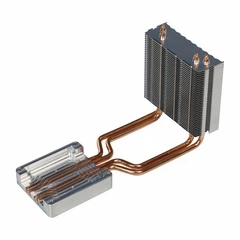
In the era of digital transformation, data centers have become the nerve centers of modern society, powering everything from cloud computing to artificial intelligence. With the exponential growth of data and the increasing demand for high - performance computing, efficient cooling solutions are crucial to maintain the optimal operating temperature of servers and other equipment in data centers. As a supplier of stainless steel cool coils, I often get asked the question: Can a stainless steel cool coil be used in data center cooling? In this blog post, I'll explore this topic in depth.
The Requirements of Data Center Cooling
Before delving into whether stainless steel cool coils are suitable for data center cooling, it's essential to understand the requirements of data center cooling systems. Data centers generate a significant amount of heat due to the continuous operation of servers, storage devices, and networking equipment. Overheating can lead to reduced performance, hardware failures, and increased energy consumption. Therefore, an effective cooling system must meet the following criteria:
- High Heat Transfer Efficiency: It should be able to remove heat from the equipment quickly and efficiently to maintain a stable temperature.
- Reliability: The cooling system needs to operate continuously without breakdowns to ensure the uninterrupted operation of the data center.
- Corrosion Resistance: Data centers may be exposed to various environmental factors, such as humidity and contaminants. The cooling components should resist corrosion to have a long service life.
- Energy Efficiency: With the increasing focus on sustainability, energy - efficient cooling solutions are highly desirable to reduce operational costs and environmental impact.
Advantages of Stainless Steel Cool Coils for Data Center Cooling
Stainless steel cool coils offer several advantages that make them a potential candidate for data center cooling applications:
1. Corrosion Resistance
Stainless steel is well - known for its excellent corrosion resistance. In a data center environment, there may be moisture, dust, and other contaminants. Corrosion can damage the cooling coils, reducing their efficiency and lifespan. Stainless steel cool coils, such as Spring - type Stainless Steel 316 Coil and Stainless Steel 316 Coil, are resistant to rust and corrosion, ensuring long - term reliability.
2. Durability
Data centers require cooling systems that can operate continuously for long periods. Stainless steel cool coils are durable and can withstand mechanical stress, vibration, and temperature fluctuations. They are less likely to develop leaks or structural failures compared to other materials, which means less maintenance and downtime for the data center.
3. Hygiene
In some data centers, especially those handling sensitive data or in a cleanroom environment, hygiene is of utmost importance. Stainless steel is a non - porous material that is easy to clean and disinfect. It does not support the growth of bacteria, mold, or other microorganisms, which is beneficial for maintaining a clean and healthy environment in the data center.
4. Compatibility with Different Coolants
Stainless steel cool coils can be used with a variety of coolants, including water, glycol - water mixtures, and refrigerants. This flexibility allows data center operators to choose the most suitable coolant based on their specific requirements, such as cooling capacity, energy efficiency, and environmental considerations.
Heat Transfer Performance of Stainless Steel Cool Coils
One of the key factors in data center cooling is heat transfer efficiency. While stainless steel has a lower thermal conductivity compared to some other metals like copper, modern design and manufacturing techniques can enhance the heat transfer performance of stainless steel cool coils.
- Fin Design: By using advanced fin designs, such as micro - fins or louvered fins, the surface area of the cool coil can be increased, which improves the heat transfer coefficient. The fins also promote better air or fluid flow over the coil, enhancing the heat exchange process.
- Coating Technologies: Special coatings can be applied to the surface of the stainless steel cool coils to improve their heat transfer performance. These coatings can reduce the thermal resistance between the coil and the coolant or the surrounding air, allowing for more efficient heat transfer.
Challenges and Considerations
Although stainless steel cool coils have many advantages, there are also some challenges and considerations when using them in data center cooling:
1. Cost
Stainless steel is generally more expensive than other materials like copper or aluminum. The initial investment for stainless steel cool coils may be higher, which could be a deterrent for some data center operators. However, considering their long - term durability and low maintenance requirements, the total cost of ownership over the lifespan of the cooling system may be comparable or even lower.
2. Thermal Conductivity
As mentioned earlier, stainless steel has a lower thermal conductivity than copper. This means that for the same heat transfer requirements, stainless steel cool coils may need to have a larger surface area or a higher flow rate of coolant compared to copper coils. This could result in a larger physical size of the cooling system and potentially higher energy consumption for pumping the coolant.
3. Compatibility with Existing Systems
When retrofitting a data center with stainless steel cool coils, compatibility with the existing cooling infrastructure needs to be carefully evaluated. This includes factors such as the connection interfaces, the coolant flow rate, and the control system. Modifications may be required to ensure seamless integration with the existing system.


Case Studies and Real - World Applications
Although stainless steel cool coils are more commonly used in other industries such as Coffee Machine Stainless Steel 319 Cooling Coil for coffee machine coolers, there are also some successful applications in data center cooling.
- Coastal Data Centers: In coastal areas, where the air is more humid and contains salt particles, stainless steel cool coils are a preferred choice due to their superior corrosion resistance. These coils can withstand the harsh coastal environment and maintain their performance over time.
- High - End Data Centers: Some high - end data centers that prioritize reliability and long - term performance are willing to invest in stainless steel cool coils. These data centers can afford the higher initial cost and benefit from the reduced maintenance and longer lifespan of the stainless steel coils.
Conclusion
In conclusion, stainless steel cool coils can be used in data center cooling, offering several advantages such as corrosion resistance, durability, hygiene, and compatibility with different coolants. While they face some challenges, such as cost and lower thermal conductivity, modern design and manufacturing techniques can mitigate these issues.
If you are a data center operator or an engineer looking for a reliable and efficient cooling solution, I encourage you to consider stainless steel cool coils. Our company offers a wide range of high - quality stainless steel cool coils that can be customized to meet your specific requirements. Contact us to discuss your cooling needs and explore how our stainless steel cool coils can enhance the performance and reliability of your data center cooling system.
References
- Incropera, F. P., DeWitt, D. P., Bergman, T. L., & Lavine, A. S. (2007). Fundamentals of Heat and Mass Transfer. John Wiley & Sons.
- ASHRAE Handbook - HVAC Systems and Equipment. American Society of Heating, Refrigerating and Air - Conditioning Engineers.