


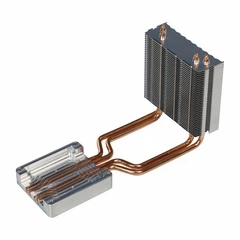
Aluminum radiators are widely used in various industries due to their excellent heat dissipation properties, lightweight, and corrosion resistance. As a leading aluminum radiator supplier, I understand the importance of maintaining these radiators to ensure optimal performance. In this blog, I will share some professional tips on how to clean an aluminum radiator effectively.
Why Cleaning an Aluminum Radiator is Necessary
Over time, aluminum radiators can accumulate dirt, dust, debris, and even corrosion. These contaminants can significantly reduce the radiator's efficiency by blocking the airflow and reducing the surface area available for heat transfer. As a result, the radiator may not be able to dissipate heat effectively, leading to overheating of the equipment it is cooling. Regular cleaning can prevent these issues, extend the lifespan of the radiator, and maintain its performance.
Pre - cleaning Preparations
Before you start cleaning the aluminum radiator, it is essential to take some safety precautions. First, make sure the radiator is completely cooled down to avoid burns. If the radiator is part of a system, such as a vehicle engine or an industrial machine, turn off the power source and allow it to cool for at least 30 minutes.
Next, gather the necessary cleaning tools and materials. You will need a soft - bristled brush, a mild detergent, a hose with a spray nozzle, and a clean cloth. Avoid using abrasive brushes or harsh chemicals, as they can scratch the aluminum surface and cause damage.
Step - by - Step Cleaning Process
Step 1: Inspect the Radiator
Carefully examine the radiator for any visible signs of damage, such as bent fins or leaks. If you notice any significant damage, it is recommended to consult a professional for repair before proceeding with the cleaning. Bent fins can be carefully straightened using a fin comb, which is a specialized tool designed for this purpose.
Step 2: Remove Loose Debris
Use the soft - bristled brush to gently remove any loose dirt, dust, or debris from the radiator's surface and fins. Start from the top and work your way down, being careful not to bend the fins. You can also use compressed air to blow out any debris that is stuck deep within the fins. Hold the can of compressed air upright and use short bursts to avoid moisture from the can getting onto the radiator.
Step 3: Prepare the Cleaning Solution
Mix a small amount of mild detergent with water in a bucket. The detergent should be gentle enough not to damage the aluminum, but strong enough to remove stubborn dirt and grime. A good ratio is about one tablespoon of detergent per gallon of water.
Step 4: Apply the Cleaning Solution
Dip the soft - bristled brush into the cleaning solution and gently scrub the radiator's surface and fins. Pay special attention to areas with heavy dirt accumulation. Be careful not to apply too much pressure, as this can bend the fins. You can also use a sponge to apply the cleaning solution if the brush is not suitable for some areas.
Step 5: Rinse the Radiator
Once you have scrubbed the entire radiator, use the hose with a spray nozzle to rinse off the cleaning solution. Start from the top and work your way down, making sure to remove all the detergent. Use a gentle stream of water to avoid bending the fins. If possible, rinse the radiator from both the front and the back to ensure thorough cleaning.
Step 6: Dry the Radiator
After rinsing, use a clean cloth to gently dry the radiator's surface. You can also let the radiator air - dry in a well - ventilated area. Make sure the radiator is completely dry before reinstalling it or turning on the equipment it is cooling.
Special Considerations for Different Types of Aluminum Radiators
As an aluminum radiator supplier, I offer a variety of radiator products, each with its own unique features.
- Aluminum Finned Heat Sink: These radiators have a large number of thin fins, which can be easily damaged during cleaning. When cleaning an aluminum finned heat sink, be extra careful when using the brush or compressed air to avoid bending the fins. You may also need to use a more diluted cleaning solution to prevent damage to the fins.
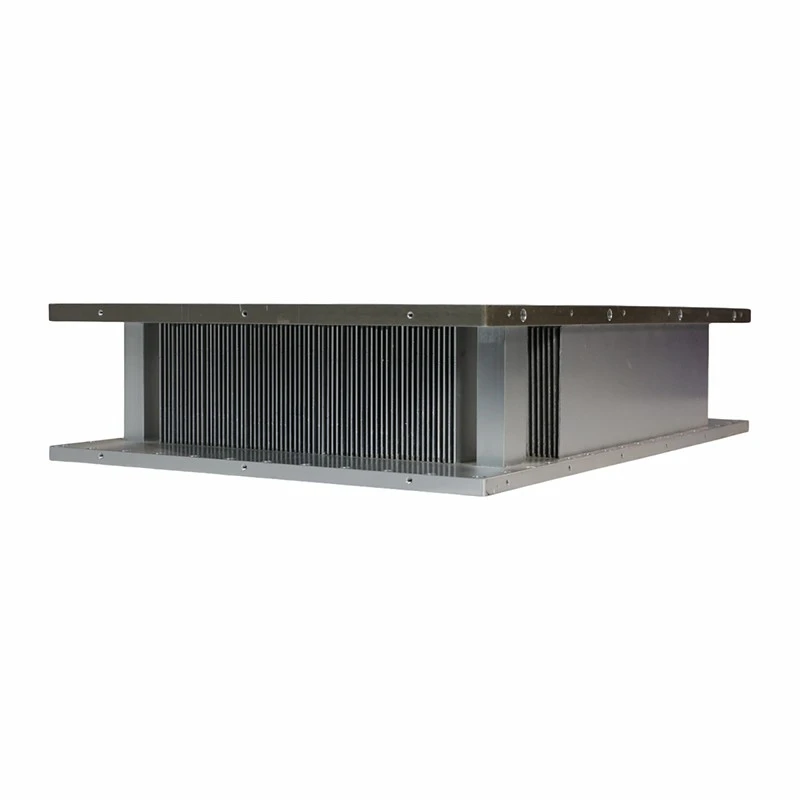
- High - Power Efficient Stacked Heat Sink: High - power stacked heat sinks are designed to handle large amounts of heat. They often have a more complex structure, with multiple layers of fins. When cleaning these radiators, make sure to clean each layer thoroughly, and use a fin comb to straighten any bent fins between the layers.
- DCC Power Control High - Power Heatsink: DCC power control high - power heatsinks are used in applications that require precise power control. These radiators may have sensitive components, so it is crucial to avoid getting water or cleaning solution on these parts. Use a dry cloth to clean around the sensitive areas and be extra careful during the rinsing process.
Frequency of Cleaning
The frequency of cleaning an aluminum radiator depends on its usage environment. If the radiator is used in a dusty or dirty environment, such as an industrial factory or a construction site, it may need to be cleaned more frequently, perhaps every few months. In a cleaner environment, such as an office or a home, cleaning once or twice a year may be sufficient.
Conclusion
Cleaning an aluminum radiator is a relatively simple process that can significantly improve its performance and extend its lifespan. By following the steps outlined in this blog, you can ensure that your aluminum radiator remains in top - notch condition.

As an aluminum radiator supplier, I am committed to providing high - quality radiator products and professional advice on their maintenance. If you have any questions about aluminum radiators or need assistance with cleaning, please feel free to contact me for further discussion. Whether you are looking for a new radiator or need to optimize the performance of your existing one, I am here to help you make the right choice.
References
- "Aluminum Radiator Maintenance Guide", Industry Standards Publication, 2023
- "Heat Transfer Principles in Aluminum Radiators", Thermal Engineering Journal, 2022