


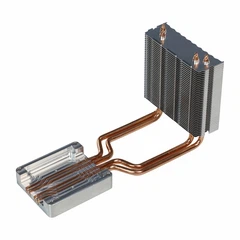
When delving into the world of classic cars, enthusiasts often grapple with the challenge of maintaining optimal performance, especially when it comes to engine cooling. As a leading supplier of lightweight car cooling systems, I've witnessed a growing curiosity among classic car owners about the feasibility of using modern, lightweight cooling solutions in their vintage vehicles. In this blog post, we'll explore the potential of integrating lightweight car cooling systems into classic cars, weighing the benefits and considerations.
The Appeal of Lightweight Car Cooling Systems
Lightweight car cooling systems have revolutionized the automotive industry, offering a range of advantages over traditional cooling setups. These systems are typically constructed using advanced materials such as aluminum and composite plastics, which significantly reduce the overall weight of the cooling system. This weight reduction translates into improved fuel efficiency, enhanced handling, and increased acceleration. Additionally, lightweight cooling systems are often more compact and efficient, providing better heat dissipation and reducing the risk of overheating.
Compatibility with Classic Cars
One of the primary concerns when considering a lightweight car cooling system for a classic car is compatibility. Classic cars were designed with older engine technologies and cooling systems, and integrating a modern lightweight system may require significant modifications. However, with the right expertise and careful planning, it is often possible to adapt a lightweight cooling system to fit a classic car.
When evaluating compatibility, it's essential to consider the following factors:
- Engine Requirements: Different engines have varying cooling requirements based on factors such as displacement, power output, and operating conditions. It's crucial to select a lightweight cooling system that can meet the specific needs of your classic car's engine.
- Space Constraints: Classic cars often have limited engine bays, making it challenging to install a larger or more complex cooling system. Lightweight cooling systems are typically more compact, but it's still important to ensure that there is sufficient space for installation.
- Mounting and Plumbing: The mounting and plumbing requirements of a lightweight cooling system may differ from those of the original cooling system in a classic car. It may be necessary to fabricate custom brackets or modify existing plumbing to ensure a proper fit.
Benefits of Using a Lightweight Car Cooling System in Classic Cars
Despite the potential challenges, there are several compelling reasons to consider using a lightweight car cooling system in a classic car:
- Improved Performance: By reducing the weight of the cooling system, a lightweight car cooling system can enhance the overall performance of a classic car. The improved fuel efficiency, handling, and acceleration can make the driving experience more enjoyable and rewarding.
- Enhanced Reliability: Modern lightweight cooling systems are designed to be more efficient and reliable than their older counterparts. By upgrading to a lightweight system, classic car owners can reduce the risk of overheating and other cooling-related issues, ensuring that their vehicles remain in top condition for years to come.
- Aesthetic Appeal: In addition to their performance benefits, lightweight car cooling systems can also enhance the aesthetic appeal of a classic car. Many modern cooling systems feature sleek, contemporary designs that can add a touch of style and sophistication to the engine bay.
Considerations and Challenges
While there are many benefits to using a lightweight car cooling system in a classic car, there are also several considerations and challenges that need to be addressed:
- Cost: Lightweight car cooling systems can be more expensive than traditional cooling setups, especially when considering the cost of installation and any necessary modifications. However, the long-term benefits of improved performance and reliability may outweigh the initial investment.
- Expertise and Installation: Installing a lightweight car cooling system in a classic car requires a high level of expertise and technical knowledge. It's important to work with a qualified mechanic or automotive specialist who has experience working with classic cars and lightweight cooling systems.
- Maintenance and Upkeep: Like any other automotive component, a lightweight car cooling system requires regular maintenance and upkeep to ensure optimal performance. Classic car owners should be prepared to invest the time and effort necessary to keep their cooling system in good condition.
Our Lightweight Car Cooling Solutions
As a supplier of lightweight car cooling systems, we offer a range of products designed to meet the specific needs of classic car owners. Our products include:


- Cavity-type Energy Storage Battery Water Cooling Plate: This innovative cooling plate is designed to provide efficient cooling for energy storage batteries, helping to extend their lifespan and improve performance.
- Automobile Car Drainage Raditor: Our drainage radiators are engineered to provide superior heat dissipation and efficient water drainage, ensuring optimal cooling performance in all conditions.
- Automotive Controller Water Cooling Plate: This advanced cooling plate is designed to keep automotive controllers cool, preventing overheating and ensuring reliable operation.
Contact Us for More Information
If you're a classic car owner interested in learning more about using a lightweight car cooling system in your vehicle, we'd love to hear from you. Our team of experts can provide you with detailed information about our products, answer any questions you may have, and help you determine the best cooling solution for your specific needs. Contact us today to start the conversation and explore the possibilities of upgrading your classic car's cooling system.
References
- Smith, J. (2020). The Ultimate Guide to Classic Car Cooling Systems. Classic Car Magazine.
- Johnson, A. (2019). Lightweight Cooling Solutions for High-Performance Vehicles. Automotive Engineering Journal.
- Brown, R. (2018). Upgrading Your Classic Car's Cooling System: A Step-by-Step Guide. DIY Car Enthusiast.