


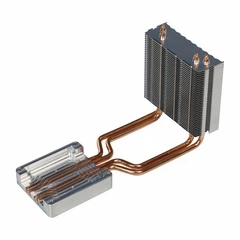
Hey there! As a supplier of Aluminum Finned Heat Sink, I've been through the ins and outs of transporting these nifty cooling devices. And let me tell you, finding the best way to ship them is crucial to ensure they reach our customers in top - notch condition.
First off, let's talk about why proper transportation matters. Aluminum finned heat sinks are pretty delicate. Those thin fins can easily get bent or damaged if they're not handled right. And a damaged heat sink won't work as efficiently, which is a big no - no for our customers who rely on them to keep their equipment cool.
Packaging is Key
The first step in the transportation process is packaging. You can't just throw these heat sinks in a box and hope for the best. I've seen firsthand what happens when you skimp on packaging, and it's not pretty.
For smaller heat sinks, I recommend using custom - made foam inserts. These inserts are designed to fit the heat sink perfectly, cradling it and preventing any movement inside the box. The foam acts as a shock absorber, protecting the fins from impacts during transit. You can get these foam inserts made at a local packaging supplier. It might cost a bit more upfront, but it'll save you a lot of headaches (and money) in the long run.
For larger heat sinks, a wooden crate is often the way to go. Wood is sturdy and can withstand a fair amount of rough handling. Line the crate with bubble wrap or other soft padding to further protect the heat sink. Make sure the heat sink is securely fastened inside the crate so it doesn't shift around. You can use straps or brackets to hold it in place.
Choosing the Right Carrier
Once you've got your heat sinks properly packaged, it's time to choose a carrier. Not all carriers are created equal when it comes to transporting delicate items like aluminum finned heat sinks.
I've had good experiences with carriers that offer tracking and insurance options. Tracking allows you to keep an eye on your shipment every step of the way, so you know exactly where it is and when it'll arrive. Insurance is also important. If something does go wrong during transit, you'll be covered and can get compensated for the damaged heat sinks.
FedEx and UPS are two well - known carriers that offer these services. They have a reputation for handling packages carefully and delivering them on time. However, don't just go with the big names. There are also some smaller, regional carriers that might offer better rates or more personalized service. Do your research and read reviews from other shippers to find the carrier that's right for you.
Consider the Mode of Transportation
There are a few different modes of transportation you can choose from: air, sea, and land. Each has its own pros and cons.
Air Freight
Air freight is the fastest option. If your customer needs the heat sinks urgently, this is the way to go. It also has a lower risk of damage compared to other modes of transportation because the transit time is shorter. However, air freight is also the most expensive option. It's best suited for small, high - value heat sinks or when time is of the essence.
Sea Freight
Sea freight is a more cost - effective option for larger shipments. It's great for transporting a large number of heat sinks overseas. However, it takes much longer than air freight. You're looking at weeks, sometimes even months, for the shipment to arrive. There's also a higher risk of damage due to the longer transit time and the rough conditions at sea. If you choose sea freight, make sure your packaging is extra sturdy.
Land Freight
Land freight is a good middle - ground option. It's cheaper than air freight and faster than sea freight. You can use trucks or trains to transport your heat sinks. If your customers are located within the same country or region, land freight is often the most practical choice. Just make sure the carrier you choose has experience transporting delicate items.
Labeling and Documentation
Don't forget about labeling and documentation. Proper labeling can prevent a lot of problems during transit. Mark your packages as "Fragile" and "Handle with Care." This will alert the carrier's staff to the delicate nature of the contents.
You also need to make sure you have all the necessary documentation. This includes a bill of lading, which is a legal document that details the contents of the shipment, the sender, and the recipient. You might also need to provide customs documents if you're shipping internationally. Make sure you fill out all the forms accurately and completely to avoid any delays.
Special Considerations for International Shipments
If you're shipping aluminum finned heat sinks internationally, there are some additional things to keep in mind.
Customs regulations can vary from country to country. You need to make sure your heat sinks comply with the import regulations of the destination country. This might include things like product standards, labeling requirements, and import duties. Do your research or consult with a customs broker to make sure you're following all the rules.
Another thing to consider is currency exchange rates. If you're getting paid in a foreign currency, fluctuations in the exchange rate can affect your profits. You might want to consider using a currency exchange service to lock in a favorable rate.
Other Related Products
We also offer Combination Aluminum Water Cooling Radiator and Combination Water Cooling Radiator. The transportation methods for these products are similar to those for aluminum finned heat sinks. However, they might require some additional precautions due to their more complex design.
For example, combination water cooling radiators often have fluid reservoirs and hoses. You need to make sure these components are properly sealed and protected during transit to prevent leaks. Use the same packaging principles we discussed earlier, but pay extra attention to these sensitive parts.
Conclusion
Transporting aluminum finned heat sinks requires careful planning and attention to detail. From proper packaging to choosing the right carrier and mode of transportation, every step in the process is important. By following these tips, you can ensure that your heat sinks arrive at your customers' doors in perfect condition.
If you're interested in purchasing our high - quality aluminum finned heat sinks, combination aluminum water cooling radiators, or combination water cooling radiators, we'd love to hear from you. Contact us to start a discussion about your specific needs and get a quote. We're committed to providing the best products and services to our customers.


References
- Packaging Materials Handbook. This book provides detailed information on different types of packaging materials and how to use them effectively.
- Shipping and Logistics Guide. It offers practical advice on choosing carriers, modes of transportation, and handling international shipments.