


In the intricate world of automotive engineering, the cooling system stands as a crucial safeguard for the engine's optimal performance. At the heart of this system lies the radiator fan, a component that plays a vital role in maintaining the engine's temperature within the ideal operating range. As a leading supplier of automotive cooling systems, I've witnessed firsthand the significance of the radiator fan and its impact on vehicle reliability. In this blog, we'll delve into the functions of the radiator fan, exploring how it contributes to the overall efficiency and longevity of automotive engines.
The Basics of an Automotive Cooling System
Before we dive into the specifics of the radiator fan, let's take a moment to understand the fundamental components of an automotive cooling system. At its core, the cooling system is designed to dissipate the excess heat generated by the engine during operation. This is achieved through a combination of fluid circulation and heat exchange processes.
The engine generates a substantial amount of heat as it burns fuel to produce power. To prevent overheating, a coolant, typically a mixture of water and antifreeze, is circulated through the engine block and cylinder head. As the coolant absorbs heat from the engine, it flows into the radiator, a heat exchanger located at the front of the vehicle. The radiator consists of a series of tubes and fins that increase the surface area for heat transfer. As the hot coolant passes through the tubes, air flowing over the fins helps to dissipate the heat, cooling the coolant before it returns to the engine.
The Role of the Radiator Fan
While the natural airflow created by the vehicle's forward motion is sufficient to cool the radiator under normal driving conditions, there are situations where additional airflow is required. This is where the radiator fan comes into play. The radiator fan is responsible for drawing air through the radiator when the vehicle is stationary or moving at low speeds, ensuring that the coolant temperature remains within the acceptable range.
One of the primary functions of the radiator fan is to enhance the cooling efficiency of the radiator. When the vehicle is idling or crawling in traffic, the natural airflow over the radiator is reduced, limiting its ability to dissipate heat effectively. In such situations, the radiator fan kicks in to provide the necessary airflow, drawing air through the radiator and accelerating the heat transfer process. This helps to prevent the engine from overheating, which can cause serious damage to engine components and lead to costly repairs.


Another important function of the radiator fan is to maintain a consistent coolant temperature. The engine operates most efficiently within a specific temperature range, and any deviation from this range can affect its performance and fuel economy. The radiator fan helps to regulate the coolant temperature by adjusting the airflow through the radiator based on the engine's cooling requirements. When the coolant temperature rises above a certain threshold, the fan is activated to increase the airflow and cool the radiator. Conversely, when the coolant temperature drops below the set point, the fan may be deactivated to conserve energy.
In addition to enhancing cooling efficiency and maintaining a consistent coolant temperature, the radiator fan also plays a crucial role in protecting the engine from overheating in extreme conditions. For example, during hot summer days or when towing heavy loads, the engine generates more heat than usual, putting additional stress on the cooling system. In such situations, the radiator fan provides the extra cooling capacity needed to prevent the engine from overheating, ensuring reliable performance even under challenging circumstances.
Types of Radiator Fans
There are two main types of radiator fans used in automotive cooling systems: mechanical fans and electric fans.
Mechanical Fans: Mechanical fans are driven by the engine's crankshaft through a belt or pulley system. They are typically used in older vehicles and some heavy-duty applications. Mechanical fans are simple and reliable, but they can consume a significant amount of engine power, reducing fuel efficiency. Additionally, mechanical fans operate continuously as long as the engine is running, regardless of the actual cooling requirements, which can lead to unnecessary energy consumption.
Electric Fans: Electric fans, on the other hand, are powered by the vehicle's electrical system and are controlled by a thermostat or engine control unit (ECU). They offer several advantages over mechanical fans, including improved fuel efficiency, reduced noise, and more precise control of the cooling process. Electric fans can be activated only when needed, based on the coolant temperature, engine load, and other factors, which helps to conserve energy and reduce wear on the engine.
Our Product Offerings
As a trusted supplier of automotive cooling systems, we offer a wide range of high-quality radiator fans and related components to meet the diverse needs of our customers. Our products are designed and manufactured to the highest standards of quality and performance, ensuring reliable operation and long service life.
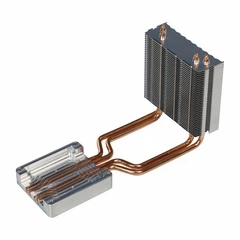
In addition to radiator fans, we also offer a variety of other automotive cooling system components, such as Automobile Car Drainage Raditor, Lightweight Automotive Controller Water Cooling Plate, and Aluminum Heat Pipe Communication Module Heatsink. These products are engineered to provide efficient heat transfer and superior cooling performance, helping to keep your engine running smoothly and reliably.
Conclusion
In conclusion, the radiator fan is an essential component of an automotive cooling system, playing a crucial role in maintaining the engine's temperature within the optimal range. By enhancing the cooling efficiency of the radiator, regulating the coolant temperature, and protecting the engine from overheating, the radiator fan ensures the reliable performance and longevity of the engine.
As a leading supplier of automotive cooling systems, we are committed to providing our customers with high-quality products and exceptional service. Whether you're looking for a replacement radiator fan or a complete cooling system solution, we have the expertise and experience to meet your needs. If you're interested in learning more about our products or have any questions about automotive cooling systems, please don't hesitate to contact us. We look forward to the opportunity to work with you and help you keep your engine cool and running smoothly.
References
- Heywood, J. B. (1988). Internal Combustion Engine Fundamentals. McGraw-Hill.
- Crolla, D. A. (2001). Vehicle Dynamics: Theory and Application. SAE International.
- Stone, R. (1999). Introduction to Internal Combustion Engines. Society of Automotive Engineers.