


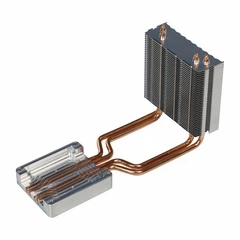
What causes an All Aluminum Stacked Radiator to clog?
As a trusted supplier of all aluminum stacked radiators, I've witnessed firsthand the significance of these components in a wide array of applications, from industrial machinery to high - performance automotive systems. One of the most common issues that users face with these radiators is clogging. In this blog, I'll delve into the various factors that can cause an all aluminum stacked radiator to clog and offer insights on how to prevent these problems.
1. Environmental Debris
One of the primary culprits behind radiator clogging is environmental debris. When radiators are exposed to the open air, they inevitably encounter various particles such as dust, leaves, pollen, and insects. In industrial settings, additional hazards include metal shavings, sawdust, and small pieces of plastic or rubber.
Dust and pollen are extremely fine particles that can easily penetrate the delicate fins of an all aluminum stacked radiator. Over time, these particles build up, forming a layer that restricts the flow of air through the radiator. This reduced airflow impairs the radiator's ability to dissipate heat effectively. For example, in agricultural machinery, constant exposure to dusty fields can quickly lead to significant dust accumulation in the radiator.
Leaves and insects pose a different kind of threat. Large leaves can block the air intake of the radiator, while insects like bees or wasps might build nests inside the radiator structure. These physical obstructions can cause a substantial reduction in the radiator's cooling capacity. In an outdoor power generation unit, a nest built by insects could potentially cause the engine to overheat due to restricted airflow through the radiator.
2. Corrosion and Rust
Even though aluminum is known for its corrosion - resistant properties, under certain conditions, it can still corrode. When an all aluminum stacked radiator is exposed to harsh chemicals, high humidity, or saltwater environments, the protective oxide layer on the aluminum surface can be compromised.
In industrial areas with high levels of air pollution, sulfur dioxide and other acidic gases can react with the aluminum, leading to corrosion. Similarly, in marine applications, the constant exposure to saltwater can accelerate the corrosion process. Once corrosion sets in, it can cause the formation of rust - like deposits inside the radiator tubes and fins. These deposits not only reduce the internal diameter of the tubes, restricting coolant flow, but they can also flake off and cause blockages in other parts of the cooling system.
3. Coolant Contamination
The quality and condition of the coolant used in the radiator play a crucial role in preventing clogging. Over time, coolant can break down, especially if it is not changed regularly. As coolant ages, it can form sludge and sediment. This sludge can accumulate in the radiator tubes and fins, gradually reducing the flow of coolant.
In addition, if the wrong type of coolant is used, it can react with the aluminum in the radiator. For example, some coolants may contain additives that are not compatible with aluminum, leading to the formation of chemical deposits. Moreover, if the coolant system is not properly maintained, it can become contaminated with dirt, metal particles from the engine, or other foreign substances. These contaminants can also cause blockages in the radiator.
4. Mineral Deposits
Water is a common component of coolant mixtures. However, water often contains minerals such as calcium and magnesium. When the coolant is heated and cooled repeatedly, these minerals can precipitate out of the solution and form deposits on the inner surfaces of the radiator tubes and fins. This process is similar to the formation of limescale in a kettle.
In areas with hard water, the problem of mineral deposits is more pronounced. These deposits can build up over time, creating a thick layer that restricts the flow of coolant and reduces the radiator's heat - transfer efficiency. For instance, in a power plant where large - scale all aluminum stacked radiators are used, the use of hard water in the coolant system can lead to severe mineral deposit issues, requiring frequent maintenance.
5. Manufacturing Defects
Although rare, manufacturing defects can also cause radiator clogging. During the production process, small metal fragments or debris may accidentally get trapped inside the radiator. These foreign objects can block the coolant passages or cause turbulence in the coolant flow, leading to the accumulation of other contaminants.
Poor brazing or welding during the manufacturing of the stacked radiator can also result in internal blockages. If the joints are not properly sealed, coolant can leak into areas where it is not supposed to be, leading to the formation of deposits and eventual clogging.
Preventive Measures
To prevent clogging in all aluminum stacked radiators, regular maintenance is essential. This includes cleaning the radiator's exterior to remove environmental debris, checking the coolant level and quality regularly, and changing the coolant at the recommended intervals. Using a high - quality coolant that is specifically designed for aluminum radiators can also help reduce the risk of corrosion and chemical deposition.
For those in harsh environments, installing pre - filters on the radiator can help trap larger debris before it reaches the radiator. Additionally, ensuring that the radiator is installed in a clean and well - ventilated area can minimize the intake of dust and other contaminants.


As a supplier of all aluminum stacked radiators, we offer a range of products that are designed with durability and efficiency in mind. Our DCC Power Control Stacked Dual - Sided Heatsink, Aluminum Finned Heat Sink, and High - Power Efficient Stacked Heat Sink are examples of our commitment to providing high - performance solutions.
If you are facing issues with radiator clogging or are in the market for high - quality all aluminum stacked radiators, we encourage you to reach out to us for a detailed discussion. Our team of experts is ready to assist you with product selection, installation, and maintenance advice. Whether you have a small - scale application or a large - scale industrial project, we have the right radiator solution for you. Contact us today to start the procurement process and ensure the optimal performance of your cooling systems.
References
- Cooling System Handbook, John Wiley & Sons.
- Aluminum Corrosion and Protection, Elsevier.
- Automotive Cooling Systems: Design, Principles, and Integration, SAE International.