


As a seasoned supplier in the field of automatic bending processes, I've witnessed firsthand the challenges that manufacturers face when it comes to preventing material deformation during this crucial stage. Material deformation can lead to a host of issues, including product defects, increased production costs, and delays in delivery. In this blog post, I'll share some effective strategies and best practices that can help you minimize material deformation during the automatic bending process.
Understanding the Causes of Material Deformation
Before we delve into the prevention methods, it's essential to understand the root causes of material deformation during automatic bending. Several factors can contribute to this problem, including:
- Material Properties: Different materials have varying levels of ductility, hardness, and elasticity. Some materials are more prone to deformation than others, especially those with low ductility or high hardness. For example, Water Heater Stainless Steel 318 Coil and Spring-type Stainless Steel 316 Coil may require different bending techniques due to their unique material properties.
- Bending Parameters: The bending process involves several parameters, such as bending radius, bending angle, and bending speed. Incorrect settings of these parameters can cause excessive stress on the material, leading to deformation. For instance, a too-small bending radius can result in cracking or wrinkling of the material.
- Tooling and Equipment: The quality and condition of the bending tools and equipment play a crucial role in preventing material deformation. Worn-out or damaged tools can cause uneven pressure on the material, leading to deformation. Additionally, improper alignment of the tools can also result in inaccurate bending and deformation.
- Lubrication: Insufficient lubrication during the bending process can increase friction between the material and the tools, causing excessive heat and stress. This can lead to material deformation, especially in materials that are sensitive to heat.
Strategies for Preventing Material Deformation
Now that we've identified the causes of material deformation, let's explore some strategies for preventing it during the automatic bending process.
Material Selection
- Choose the Right Material: Selecting the appropriate material for your application is the first step in preventing material deformation. Consider the material's ductility, hardness, and elasticity, as well as its resistance to corrosion and heat. For example, if you're bending a material that requires high strength and corrosion resistance, Double-layer Stainless Steel 317 Coil may be a suitable choice.
- Test the Material: Before starting the bending process, it's a good idea to conduct a test bend on a sample of the material. This will help you determine the optimal bending parameters and ensure that the material can withstand the bending process without deformation.
Bending Parameter Optimization
- Adjust the Bending Radius: The bending radius is one of the most critical parameters in the bending process. A larger bending radius generally results in less deformation, as it reduces the stress on the material. However, the bending radius should also be within the design requirements of the product.
- Control the Bending Angle: The bending angle should be carefully controlled to avoid excessive stress on the material. A gradual bending angle is preferred over a sharp one, as it allows the material to deform more evenly.
- Optimize the Bending Speed: The bending speed can also affect the amount of deformation. A slower bending speed generally results in less deformation, as it allows the material to relax and adjust to the bending process. However, the bending speed should also be balanced with the production efficiency.
Tooling and Equipment Maintenance
- Use High-Quality Tools: Invest in high-quality bending tools and equipment that are designed for the specific material and application. High-quality tools are more durable and can provide more accurate and consistent bending results.
- Regularly Inspect and Maintain the Tools: Regularly inspect the bending tools for wear and damage, and replace them as needed. Additionally, keep the tools clean and lubricated to ensure smooth operation.
- Properly Align the Tools: Ensure that the bending tools are properly aligned to avoid uneven pressure on the material. Misaligned tools can cause inaccurate bending and deformation.
Lubrication
- Apply Lubricant: Use a suitable lubricant during the bending process to reduce friction between the material and the tools. Lubrication can also help to dissipate heat and prevent the material from sticking to the tools.
- Choose the Right Lubricant: Select a lubricant that is compatible with the material and the bending process. Different materials may require different types of lubricants, so it's important to choose the right one.
Case Studies
To illustrate the effectiveness of these strategies, let's take a look at some case studies.

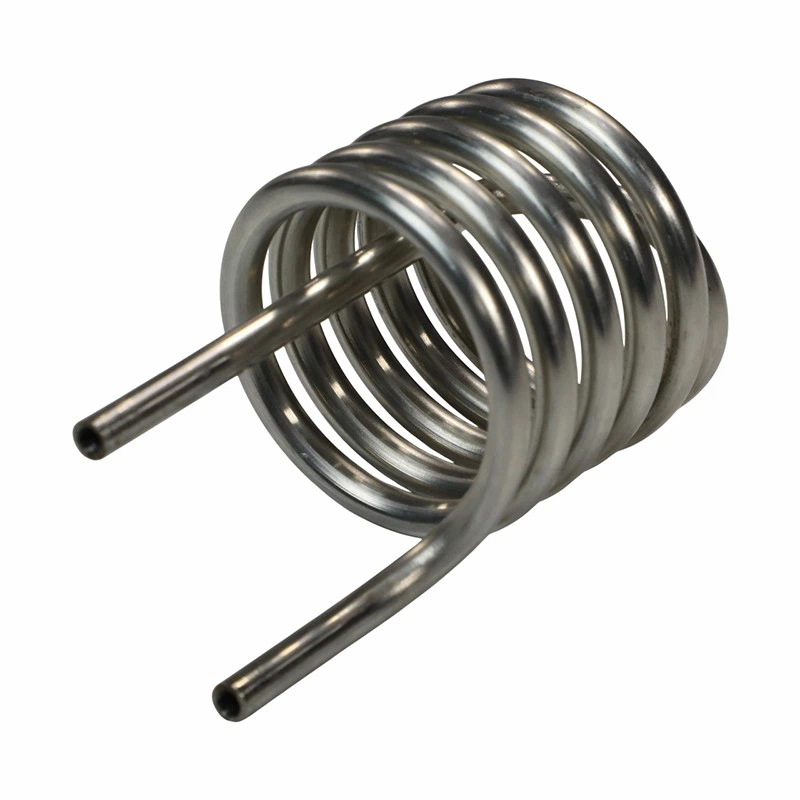
Case Study 1: Bending Water Heater Stainless Steel 318 Coil
A manufacturer was experiencing significant deformation issues when bending Water Heater Stainless Steel 318 Coil for a water heater application. By optimizing the bending parameters, using high-quality tools, and applying a suitable lubricant, the manufacturer was able to reduce the deformation rate from 15% to less than 5%. This resulted in significant cost savings and improved product quality.
Case Study 2: Bending Spring-type Stainless Steel 316 Coil
Another manufacturer was struggling with deformation when bending Spring-type Stainless Steel 316 Coil for a spring application. By carefully selecting the material, adjusting the bending radius and angle, and maintaining the tools, the manufacturer was able to achieve a deformation rate of less than 3%. This not only improved the product quality but also increased the production efficiency.
Conclusion
Preventing material deformation during the automatic bending process is crucial for ensuring product quality, reducing production costs, and improving production efficiency. By understanding the causes of material deformation and implementing the strategies outlined in this blog post, you can minimize the risk of deformation and achieve more accurate and consistent bending results.
If you're interested in learning more about our automatic bending processes or have any questions about preventing material deformation, please don't hesitate to contact us. We're here to help you find the best solutions for your specific needs.
References
- Smith, J. (2020). "Advanced Bending Techniques for Metal Fabrication." Metalworking Journal, Vol. 45, No. 3, pp. 23-30.
- Johnson, R. (2019). "Optimizing the Bending Process for Different Materials." Manufacturing Technology Review, Vol. 32, No. 2, pp. 15-21.
- Brown, A. (2018). "The Importance of Lubrication in Metal Bending." Lubrication Engineering, Vol. 74, No. 4, pp. 35-42.