


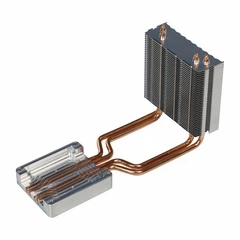
Hey there, fellow car enthusiasts! As a supplier of aluminum automotive radiators, I've seen my fair share of overheating issues. An overheating radiator can be a real headache, but don't worry – I'm here to walk you through how to fix it.
Understanding the Basics
First things first, let's talk about why your aluminum automotive radiator might be overheating. There are a few common culprits. One of the most frequent causes is a low coolant level. Coolant is essential for regulating the temperature of your engine. If there's not enough coolant in the system, the radiator won't be able to do its job effectively.
Another possible issue is a clogged radiator. Over time, dirt, debris, and rust can build up inside the radiator, blocking the flow of coolant. This can prevent the radiator from dissipating heat properly, leading to overheating.
A faulty thermostat can also cause problems. The thermostat is responsible for regulating the flow of coolant through the radiator. If it's stuck closed, coolant won't be able to circulate, and the engine will overheat.
Checking the Coolant Level
The first step in fixing an overheating radiator is to check the coolant level. Start by making sure the engine is cool. You don't want to open the radiator cap when the engine is hot, as this can cause hot coolant to spray out and burn you.
Once the engine is cool, locate the coolant reservoir. It's usually a translucent plastic tank near the radiator. Check the level of the coolant in the reservoir. If it's below the "min" mark, you'll need to add more coolant.
Use a 50/50 mixture of coolant and water. You can buy pre-mixed coolant at most auto parts stores, or you can mix it yourself. Just make sure you use the right type of coolant for your vehicle. Some vehicles require a specific type of coolant, so check your owner's manual to be sure.
Slowly pour the coolant into the reservoir until it reaches the "max" mark. Be careful not to overfill it. Once you've added the coolant, put the cap back on the reservoir and start the engine. Let it run for a few minutes, then check the coolant level again. If it's still low, you may have a leak in the system.
Flushing the Radiator
If the coolant level is fine, but the radiator is still overheating, it may be clogged. Flushing the radiator can help remove any dirt, debris, or rust that's blocking the flow of coolant.
To flush the radiator, you'll need a radiator flush kit. You can buy one at most auto parts stores. The kit will usually come with a cleaner and instructions on how to use it.
Start by draining the coolant from the radiator. Locate the drain plug at the bottom of the radiator and open it. Let the coolant drain into a bucket. Once the radiator is empty, close the drain plug.
Next, fill the radiator with water. You can use a garden hose to do this. Then, add the radiator cleaner to the water according to the instructions on the kit. Start the engine and let it run for the recommended amount of time. This will allow the cleaner to circulate through the radiator and dissolve any dirt or debris.
After the recommended time has passed, drain the water from the radiator again. Repeat this process a few times until the water runs clear. This will ensure that all the cleaner and debris have been removed from the radiator.
Once the radiator is clean, refill it with the 50/50 mixture of coolant and water. Put the cap back on the radiator and start the engine. Let it run for a few minutes, then check the coolant level again.
Replacing the Thermostat
If the coolant level is fine and the radiator has been flushed, but the engine is still overheating, the thermostat may be faulty. Replacing the thermostat is a relatively simple process, but it does require some basic tools.


Start by locating the thermostat housing. It's usually located near the top of the radiator, where the upper radiator hose connects to the engine. Remove the bolts or clips that hold the housing in place and take off the housing.
Carefully remove the old thermostat from the housing. Pay attention to how it's oriented, as you'll need to install the new thermostat in the same way. Clean the housing and the mating surface on the engine with a clean rag.
Install the new thermostat in the housing, making sure it's oriented correctly. Put the housing back on the engine and tighten the bolts or clips. Then, reconnect the upper radiator hose.
Refill the radiator with the 50/50 mixture of coolant and water. Put the cap back on the radiator and start the engine. Let it run for a few minutes, then check the coolant level again.
Other Considerations
In addition to checking the coolant level, flushing the radiator, and replacing the thermostat, there are a few other things you can do to prevent your aluminum automotive radiator from overheating.
One of the most important things is to make sure the radiator fan is working properly. The radiator fan helps to draw air through the radiator, which helps to cool the coolant. If the fan isn't working, the radiator won't be able to dissipate heat effectively, and the engine will overheat.
You can check the radiator fan by starting the engine and letting it run until it reaches operating temperature. Then, turn on the air conditioning. If the radiator fan doesn't come on, there may be a problem with the fan motor or the fan relay. You'll need to have it checked by a professional mechanic.
Another thing you can do is to make sure the radiator fins are clean. The fins on the radiator help to increase the surface area of the radiator, which allows it to dissipate heat more effectively. If the fins are dirty or bent, they won't be able to do their job properly.
You can clean the radiator fins with a soft brush or a can of compressed air. Be careful not to bend the fins while you're cleaning them. If the fins are bent, you can use a fin comb to straighten them.
Related Products
If you're in the market for a new aluminum automotive radiator or related products, we've got you covered. Check out our Automotive Controller Water Cooling Plate, Lightweight Automotive Controller Water Cooling Plate, and Aluminum Heat Pipe Communication Module Heatsink. These products are designed to provide efficient cooling for your vehicle's engine and other components.
Conclusion
Fixing an overheating aluminum automotive radiator doesn't have to be a difficult or expensive process. By following these steps, you can diagnose and fix the problem yourself. If you're not comfortable doing the repairs yourself, you can always take your vehicle to a professional mechanic.
If you have any questions or need further assistance, don't hesitate to reach out. We're here to help you keep your vehicle running cool and smoothly. Whether you're looking to purchase a new radiator or need advice on maintenance, we're just a message away. Let's start a conversation and find the best solutions for your automotive cooling needs.
References
- "Automotive Cooling Systems: Principles and Practice" by Jack Erjavec
- "Haynes Repair Manual" for your specific vehicle make and model