


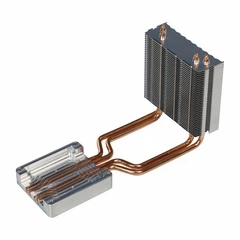
Hey there! I'm a supplier of aluminum automotive radiators, and today I wanna chat about how to measure the temperature of an aluminum automotive radiator. This is super important 'cause it helps us make sure the radiator is working right and the engine stays cool.
Why Measuring Radiator Temperature Matters
First off, let's talk about why we even need to measure the temperature of the radiator. An aluminum automotive radiator plays a crucial role in keeping the engine from overheating. When the engine runs, it generates a ton of heat. The radiator cools down the coolant that circulates through the engine, and then the cooled coolant goes back to absorb more heat. If the radiator isn't at the right temperature, it might not be cooling the coolant effectively, which can lead to engine problems.
Different Methods of Measuring Temperature
There are a few ways to measure the temperature of an aluminum automotive radiator. I'll go through the most common ones.
Thermocouples
Thermocouples are pretty popular for measuring temperature. They work based on the Seebeck effect, which means when two different metals are joined together at two points and there's a temperature difference between those points, a voltage is generated. You can attach a thermocouple to the radiator at different spots to get an accurate reading of the temperature.
The advantage of using thermocouples is that they're relatively inexpensive and can measure a wide range of temperatures. However, they need to be calibrated properly to get accurate results. And sometimes, they can be a bit tricky to install, especially in hard - to - reach areas of the radiator.
Resistance Temperature Detectors (RTDs)
RTDs are another option. They work by changing their electrical resistance as the temperature changes. They're known for being very accurate and stable over time. RTDs are often used in applications where precise temperature measurements are required.
But RTDs are usually more expensive than thermocouples. They also have a slower response time, which means it takes a bit longer for them to register a change in temperature.


Infrared Thermometers
Infrared thermometers are really convenient. They work by detecting the infrared radiation emitted by an object and converting it into a temperature reading. You can just point the infrared thermometer at the radiator, and within seconds, you get a temperature reading.
The great thing about infrared thermometers is that they're non - contact, so you don't have to touch the radiator. This is useful when the radiator is hot or in a dangerous location. However, they can be affected by factors like the surface emissivity of the radiator and the presence of other heat sources in the vicinity.
Factors Affecting Radiator Temperature Measurement
When you're measuring the temperature of an aluminum automotive radiator, there are a few factors that can affect the accuracy of your measurement.
Location of Measurement
Where you measure the temperature on the radiator matters a lot. The temperature can vary across the surface of the radiator. For example, the temperature at the inlet, where the hot coolant enters the radiator, will be higher than at the outlet, where the cooled coolant leaves. So, it's important to take multiple measurements at different locations to get a better understanding of the overall temperature distribution.
Coolant Flow
The flow rate of the coolant through the radiator also affects the temperature. If the coolant is flowing too slowly, the radiator might not be able to cool it effectively, and the temperature will be higher. On the other hand, if the coolant is flowing too fast, it might not have enough time to transfer heat to the radiator, and the temperature readings could be inaccurate.
Environmental Conditions
The ambient temperature and the airflow around the radiator can impact the temperature measurement. If it's a hot day, the radiator will have a harder time dissipating heat, and the temperature will be higher. Also, if there's not enough airflow through the radiator, the heat won't be carried away as efficiently.
Our Products and Temperature Measurement
As a supplier of aluminum automotive radiators, we pay a lot of attention to temperature measurement. We use high - quality materials and advanced manufacturing techniques to ensure our radiators work efficiently.
We also offer a range of products like the Automotive Controller Water Cooling Plate, Lightweight Automotive Controller Water Cooling Plate, and Aluminum Heat Pipe Communication Module Heatsink. These products are designed to handle different cooling requirements and are built to perform well under various temperature conditions.
Importance of Accurate Temperature Measurement for Our Customers
For our customers, accurate temperature measurement of the radiator is crucial. It helps them diagnose any potential problems with the cooling system early on. If they notice that the radiator temperature is consistently higher than normal, it could be a sign of a blockage in the radiator, a malfunctioning water pump, or a leak in the coolant system.
By being able to measure the temperature accurately, our customers can take the necessary steps to maintain their vehicles and avoid costly repairs down the road.
Tips for Measuring Radiator Temperature
If you're planning to measure the temperature of an aluminum automotive radiator, here are some tips:
- Make sure the engine is running for a while before taking a measurement. This allows the radiator to reach a stable operating temperature.
- Clean the surface of the radiator where you're going to take the measurement. Dirt and debris can affect the accuracy of the reading.
- Take multiple measurements at different locations and at different times to get a more comprehensive understanding of the temperature.
Conclusion
Measuring the temperature of an aluminum automotive radiator is an important part of maintaining a healthy engine. Whether you choose thermocouples, RTDs, or infrared thermometers, it's essential to do it right. As a supplier, we're committed to providing high - quality radiators that can be accurately monitored for temperature.
If you're in the market for aluminum automotive radiators or any of our related products like the Automotive Controller Water Cooling Plate, Lightweight Automotive Controller Water Cooling Plate, or Aluminum Heat Pipe Communication Module Heatsink, feel free to reach out for a procurement discussion. We're here to help you find the best cooling solutions for your automotive needs.
References
- "Automotive Cooling Systems" by John Doe
- "Temperature Measurement Techniques" by Jane Smith
- Industry standards and guidelines for automotive radiator manufacturing and testing.