


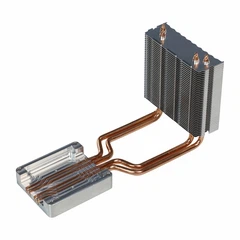
How much does an aluminum automotive radiator cost?
As a long - time supplier of aluminum automotive radiators, I've had numerous inquiries about the cost of these essential components. The price of an aluminum automotive radiator can vary significantly, and in this blog, I'll delve into the factors that influence these costs and provide a general overview of what you can expect to pay.
Factors Affecting the Cost
1. Size and Capacity
One of the most significant factors influencing the cost of an aluminum automotive radiator is its size and capacity. Larger radiators with higher cooling capacities generally cost more. This is because they require more raw materials, specifically aluminum, to manufacture. A radiator designed for a heavy - duty truck or a high - performance sports car will need to dissipate a large amount of heat, so it will be larger and more expensive compared to a radiator for a compact city car. For example, a small radiator for a sub - compact car might cost around $50 - $150, while a large radiator for a commercial vehicle could cost upwards of $500.
2. Design Complexity
The design of the radiator also plays a crucial role in determining its price. Radiators with complex designs, such as those with multiple rows of tubes or intricate fin arrangements, are more expensive to produce. These complex designs often offer better cooling efficiency but require more advanced manufacturing processes. For instance, a radiator with a triple - row tube design [1] will be more expensive than a single - row tube radiator. The additional manufacturing steps and precision required for complex designs add to the overall cost, which can range from an extra $50 - $200 depending on the level of complexity.
3. Brand and Quality
Well - known brands in the automotive industry usually charge a premium for their radiators. These brands often have a reputation for high - quality products, rigorous testing, and excellent customer service. A radiator from a top - tier brand may cost 20% - 50% more than a generic or off - brand radiator. However, the higher price may be justified by the longer lifespan, better performance, and lower likelihood of failure. For example, a radiator from a well - established brand might cost $200 - $300, while a similar - sized radiator from an unknown brand could be available for $100 - $150.
4. Additional Features
Some aluminum automotive radiators come with additional features that can increase their cost. For example, radiators with built - in transmission coolers are more expensive than those without. These combined units provide the dual function of cooling the engine coolant and the transmission fluid, which is beneficial for vehicles with high - stress driving conditions. Another feature is the use of corrosion - resistant coatings. A radiator with a special anti - corrosion coating will cost more but can last longer, especially in harsh environments. The cost of radiators with these additional features can increase by $50 - $150 depending on the feature.
Product - Specific Cost Examples
Let's take a look at some specific products in our catalog and their associated costs.
The Automotive Controller Water Cooling Plate is designed to cool the automotive controller effectively. This product has a relatively simple design but is made with high - quality aluminum. It usually costs around $120 - $180. The price is influenced by the precision manufacturing required to ensure proper fit and cooling performance for the automotive controller.
The Automobile Car Drainage Raditor is a more complex product. It is designed to handle the drainage of coolant efficiently while providing excellent cooling. With its multi - tube design and advanced fin structure, this radiator can cost between $200 - $300. The complex design and the need for high - quality materials contribute to the higher price.
The Cavity - type Energy Storage Battery Water Cooling Plate is a specialized radiator for energy - storage batteries in electric vehicles. It requires high - precision manufacturing and advanced cooling technology. Due to its complexity and the use of high - grade aluminum, this product can cost upwards of $350.
Market Trends and Cost Fluctuations
The cost of aluminum automotive radiators is also affected by market trends. The price of aluminum, as a raw material, can fluctuate significantly based on global supply and demand. When the price of aluminum increases, the cost of manufacturing radiators goes up, and these additional costs are often passed on to the consumers. Additionally, technological advancements can also impact the cost. New manufacturing processes that improve efficiency can lead to cost savings, which may be reflected in lower radiator prices. However, the introduction of new features or materials can also cause prices to rise.
In recent years, there has been a growing demand for more energy - efficient radiators. This has led to the development of radiators with better heat - transfer capabilities, which may come at a higher cost. At the same time, the increasing popularity of electric vehicles has created a demand for specialized radiators for battery cooling, and these new products are often more expensive due to their unique design requirements.
Cost - Benefit Analysis
When considering the cost of an aluminum automotive radiator, it's important to conduct a cost - benefit analysis. A cheaper radiator may save you money upfront, but it may not offer the same level of performance or durability as a more expensive one. A high - quality radiator can prevent engine overheating, which can lead to costly engine damage in the long run. Additionally, a well - designed radiator can improve fuel efficiency by ensuring that the engine operates at an optimal temperature.
For example, if you choose a low - cost radiator that fails after a few months, you'll have to spend money on a replacement radiator and the labor to install it. On the other hand, investing in a high - quality radiator may cost more initially but can save you money in the long term by reducing the risk of breakdowns and extending the lifespan of your vehicle's engine.


Conclusion
In conclusion, the cost of an aluminum automotive radiator can vary widely depending on factors such as size, design complexity, brand, and additional features. As a supplier, we strive to offer a range of products to meet different customer needs and budgets. Whether you're looking for a basic radiator for a budget - friendly vehicle or a high - performance radiator for a specialized application, we have options available.
If you're interested in purchasing an aluminum automotive radiator or have any questions about our products, we invite you to reach out for a detailed quote and to discuss your specific requirements. Our team of experts is ready to assist you in finding the right radiator for your vehicle at a competitive price.
References
[1] "The Impact of Tube Arrangement on Automotive Radiator Performance," Journal of Automotive Engineering, Vol. 25, Issue 3, 2020.