


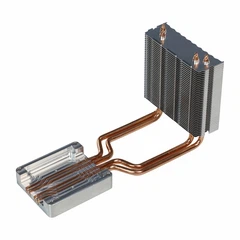
Hey there! As a supplier of Versatile Water Cooling Plates, I've been getting a lot of questions lately about how the water flow rate impacts the cooling performance of these plates. So, I thought I'd take some time to break it down for you all.
First off, let's talk about what a Versatile Water Cooling Plate is. It's a super handy device that uses water to cool down various components, like electronic devices or machinery. The basic idea is simple: water flows through the plate, absorbing heat from the component it's in contact with, and then carries that heat away. This helps to keep the component at a safe operating temperature, which is crucial for its performance and longevity.
Now, onto the main topic: how does the water flow rate affect the cooling performance? Well, it's a bit of a balancing act. On one hand, a higher water flow rate generally means better cooling performance. When the water flows faster through the cooling plate, it can carry away more heat in a shorter amount of time. This is because the increased flow rate allows for more frequent contact between the water and the heated surface of the component, which enhances the heat transfer process.
Think of it like this: if you're trying to cool down a hot pan, you'd want to run cold water over it as quickly as possible. The faster the water flows, the more heat it can remove from the pan. The same principle applies to a Versatile Water Cooling Plate. A higher flow rate means more efficient heat removal, which can lead to lower operating temperatures for the component being cooled.
However, there's a limit to how much increasing the flow rate can help. At a certain point, increasing the flow rate further won't result in a significant improvement in cooling performance. This is because the heat transfer rate is also affected by other factors, such as the thermal conductivity of the materials involved and the surface area of contact between the water and the component.
In addition, a very high flow rate can also have some drawbacks. For one thing, it can increase the pressure inside the cooling system, which may require a more powerful pump to maintain the flow. This can lead to higher energy consumption and potentially more wear and tear on the pump and other components of the system. It can also cause more noise and vibration, which may not be desirable in some applications.
On the other hand, a lower water flow rate can have its own issues. If the flow rate is too low, the water may not be able to carry away enough heat, which can result in higher operating temperatures for the component. This can lead to reduced performance, increased energy consumption, and even premature failure of the component.
So, how do you determine the optimal water flow rate for a particular application? Well, it depends on a number of factors, such as the size and power of the component being cooled, the design of the cooling plate, and the specific requirements of the system. In general, it's a good idea to work with a professional or do some testing to find the right balance.
One way to get an idea of the optimal flow rate is to look at the specifications provided by the manufacturer of the Versatile Water Cooling Plate. These specifications usually include recommended flow rates for different applications. You can also consult with an engineer or a specialist in cooling systems to get more personalized advice.
Another important factor to consider is the type of water being used in the cooling system. The quality of the water can have a significant impact on the performance and longevity of the cooling plate. For example, hard water contains minerals that can build up inside the cooling plate over time, which can reduce its efficiency and even cause blockages. It's a good idea to use filtered or deionized water to minimize these issues.
Now, let's talk about some real - world applications of Versatile Water Cooling Plates and how the water flow rate plays a role. In the electronics industry, for instance, these cooling plates are often used to cool down high - power semiconductors. These semiconductors generate a lot of heat during operation, and maintaining a low temperature is essential for their proper functioning.
A proper water flow rate is crucial for ensuring that the semiconductors stay cool. If the flow rate is too low, the semiconductors may overheat, which can lead to performance degradation or even permanent damage. On the other hand, if the flow rate is too high, it can increase the cost of operation and put unnecessary stress on the cooling system.
If you're interested in semiconductor cooling solutions, you might want to check out our Semiconductor Aluminum Cooling Module Heatsink and Semiconductor Cooling Module Heatsink. These products are designed to work in conjunction with our Versatile Water Cooling Plates to provide efficient cooling for semiconductor components.
In the lighting industry, Versatile Water Cooling Plates are also used to cool down high - power LEDs. LEDs can generate a significant amount of heat, and overheating can cause them to lose brightness and have a shorter lifespan. A well - regulated water flow rate in the cooling plate can help to keep the LEDs at an optimal temperature, ensuring consistent performance and long - term reliability.
For those in the LED lighting business, our High - Power Combined LED Heat Sink is a great option to consider. It can work hand in hand with our water cooling plates to provide effective heat management for high - power LED applications.
In conclusion, the water flow rate is a critical factor in determining the cooling performance of a Versatile Water Cooling Plate. While a higher flow rate generally leads to better cooling, there's a point of diminishing returns, and very high flow rates can have some negative consequences. Finding the right flow rate for your specific application is essential for achieving optimal cooling performance and ensuring the long - term reliability of your equipment.
If you're in the market for a Versatile Water Cooling Plate or any of our related products, we'd love to hear from you. Whether you're an electronics manufacturer, a lighting designer, or someone in need of efficient cooling solutions, we can provide you with the products and expertise you need. Don't hesitate to reach out to us for more information and to start a discussion about your specific cooling requirements.


References
- Incropera, F. P., DeWitt, D. P., Bergman, T. L., & Lavine, A. S. (2007). Fundamentals of Heat and Mass Transfer. Wiley.
- Cengel, Y. A. (2003). Heat Transfer: A Practical Approach. McGraw - Hill.