


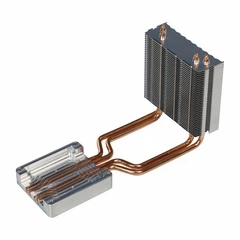
As a supplier of Circular Base LED Heat Sinks, I've always been intrigued by the various factors that can influence the performance of our products. One aspect that has caught my attention recently is the water environment in an aquarium and how it might affect the performance of our circular base LED heat sinks. In this blog post, I'll explore this topic in detail, drawing on scientific principles and real-world observations.
Understanding the Basics of Circular Base LED Heat Sinks
Before delving into the impact of the aquarium water environment, it's essential to understand how circular base LED heat sinks work. These heat sinks are designed to dissipate the heat generated by LED lights efficiently. LEDs produce a significant amount of heat during operation, and if not properly managed, this heat can reduce the lifespan of the LEDs and degrade their performance.
Circular base LED heat sinks typically consist of a circular base that is in direct contact with the LED light source. The base is made of a highly conductive material, such as aluminum or copper, which helps to transfer the heat away from the LEDs. From the base, the heat is then dissipated into the surrounding environment through fins or other cooling structures.
The Aquarium Water Environment
Aquariums are unique environments that present a set of challenges and opportunities when it comes to heat management. The water in an aquarium has several properties that can affect the performance of a circular base LED heat sink.
Temperature
The temperature of the water in an aquarium is a crucial factor. Most aquariums are maintained at a relatively stable temperature, typically between 22°C and 28°C (72°F and 82°F) for tropical fish. This temperature range is generally lower than the operating temperature of LEDs, which can reach up to 80°C (176°F) or more.
The temperature difference between the LED heat sink and the aquarium water creates a thermal gradient, which drives the heat transfer process. A larger temperature difference means more efficient heat transfer, as heat naturally flows from a higher temperature region to a lower temperature region. Therefore, the relatively cool water in an aquarium can act as a heat sink itself, helping to draw heat away from the circular base LED heat sink.


Humidity
The high humidity levels in an aquarium environment can also have an impact on the performance of the heat sink. Humidity refers to the amount of water vapor present in the air. In an aquarium, the water surface constantly evaporates, increasing the humidity in the surrounding air.
High humidity can affect the heat transfer process in several ways. First, water vapor is a better conductor of heat than dry air. This means that in a humid environment, the heat can be transferred more efficiently from the heat sink to the surrounding air. However, high humidity can also lead to condensation on the surface of the heat sink. Condensation can reduce the effectiveness of the heat sink by creating a layer of water that insulates the heat sink from the surrounding air, reducing the heat transfer rate.
Water Quality
The quality of the water in an aquarium can also play a role in the performance of the circular base LED heat sink. Aquarium water often contains various dissolved substances, such as salts, minerals, and organic matter. These substances can have a corrosive effect on the heat sink material over time.
Corrosion can damage the surface of the heat sink, reducing its thermal conductivity and increasing its resistance to heat transfer. Additionally, the buildup of deposits on the heat sink surface can act as an insulator, further impeding the heat transfer process.
Impact on Heat Sink Performance
Now that we've examined the key aspects of the aquarium water environment, let's discuss how they can affect the performance of a circular base LED heat sink.
Heat Transfer Efficiency
As mentioned earlier, the temperature difference between the heat sink and the aquarium water can enhance the heat transfer efficiency. The cool water can absorb the heat from the heat sink more effectively, reducing the temperature of the LEDs and improving their performance. However, if the water temperature is too high, the thermal gradient will be reduced, and the heat transfer rate will decrease.
The humidity in the aquarium environment can also have a dual effect on heat transfer efficiency. While the increased thermal conductivity of humid air can improve heat transfer, condensation can have the opposite effect. To mitigate the negative impact of condensation, it's important to ensure proper ventilation in the aquarium area to reduce the humidity levels around the heat sink.
Longevity and Durability
The water quality in an aquarium can significantly affect the longevity and durability of a circular base LED heat sink. Corrosion caused by dissolved substances in the water can weaken the heat sink structure and reduce its thermal performance over time. To prevent corrosion, it's advisable to choose a heat sink with a protective coating or finish. Additionally, regular cleaning and maintenance of the heat sink can help to remove any deposits and prevent the buildup of corrosive substances.
Choosing the Right Heat Sink for an Aquarium
When selecting a circular base LED heat sink for an aquarium, several factors need to be considered.
Material
As mentioned earlier, the material of the heat sink plays a crucial role in its performance. Aluminum is a popular choice for heat sinks due to its high thermal conductivity, lightweight, and relatively low cost. Copper is another excellent option, with even higher thermal conductivity than aluminum, but it is more expensive.
Design
The design of the heat sink is also important. Fins or other cooling structures can increase the surface area of the heat sink, which helps to dissipate the heat more effectively. Additionally, the shape and size of the heat sink should be chosen to fit the specific requirements of the aquarium and the LED light fixture.
Compatibility
It's essential to ensure that the heat sink is compatible with the aquarium environment. This includes considering factors such as the temperature range, humidity levels, and water quality. Some heat sinks are specifically designed for use in wet or humid environments and may have additional features, such as corrosion-resistant coatings or sealed components.
Related Products
In addition to circular base LED heat sinks, we also offer a range of other heat management solutions that may be suitable for aquarium applications. For example, our High-power Air-cooled Laser Heatsink is designed to provide efficient cooling for high-power applications. Our Versatile Water Cooling Plate can be used to transfer heat away from electronic components using water as a cooling medium. And our Semiconductor Cooling Module Heatsink is ideal for applications that require precise temperature control.
Conclusion
The water environment in an aquarium can have a significant impact on the performance of a circular base LED heat sink. Temperature, humidity, and water quality are all important factors that need to be considered when selecting and using a heat sink in an aquarium. By understanding these factors and choosing the right heat sink for the job, it's possible to ensure efficient heat management and optimal performance of the LED lights in an aquarium.
If you're interested in learning more about our circular base LED heat sinks or other heat management solutions, please don't hesitate to contact us for a consultation. We're here to help you find the best solution for your specific needs.
References
- Incropera, F. P., & DeWitt, D. P. (2002). Fundamentals of Heat and Mass Transfer. Wiley.
- Holman, J. P. (2002). Heat Transfer. McGraw-Hill.
- ASHRAE Handbook: Fundamentals. (2017). American Society of Heating, Refrigerating and Air-Conditioning Engineers.