


As a supplier of cooling system components, I understand the importance of maintaining the proper coolant level in your cooling system. In this blog post, I'll guide you through the process of checking the coolant level in your cooling system components, ensuring your vehicle or equipment runs smoothly and efficiently.
Why is Checking Coolant Level Important?
Coolant, also known as antifreeze, plays a crucial role in your cooling system. It helps regulate the temperature of your engine by absorbing heat and transferring it to the radiator, where it is dissipated into the air. Maintaining the correct coolant level is essential for several reasons:
- Prevent Overheating: Insufficient coolant can lead to overheating, which can cause severe damage to your engine, including warped cylinder heads, blown gaskets, and even engine failure.
- Corrosion Protection: Coolant contains additives that protect the metal components in your cooling system from corrosion and rust. A low coolant level can reduce the effectiveness of these additives, leading to premature wear and damage.
- Freeze Protection: In cold weather, coolant prevents the water in your cooling system from freezing, which can cause the engine block or radiator to crack.
Understanding Your Cooling System Components
Before you check the coolant level, it's important to understand the basic components of your cooling system. Here are the main parts you'll encounter:


- Radiator: The radiator is a heat exchanger that cools the hot coolant as it flows through a series of tubes and fins. It is usually located at the front of the vehicle, behind the grille.
- Coolant Reservoir: The coolant reservoir, also known as the overflow tank, is a plastic container that stores excess coolant. It is connected to the radiator by a hose and allows you to easily check and add coolant without opening the radiator cap.
- Water Pump: The water pump circulates the coolant through the engine and radiator. It is driven by the engine's crankshaft and ensures a continuous flow of coolant to maintain the proper temperature.
- Thermostat: The thermostat regulates the flow of coolant through the engine based on its temperature. It remains closed when the engine is cold to allow it to warm up quickly, and then opens when the engine reaches the operating temperature to allow coolant to flow through the radiator.
Step-by-Step Guide to Checking Coolant Level
Now that you understand the importance of checking the coolant level and the components of your cooling system, let's walk through the process step by step:
- Park Your Vehicle on a Level Surface: Make sure your vehicle is parked on a flat surface and the engine is cool. Checking the coolant level when the engine is hot can be dangerous, as the coolant can be under pressure and cause severe burns.
- Locate the Coolant Reservoir: The coolant reservoir is usually a translucent plastic container with minimum and maximum level markings on the side. It is typically located near the radiator or on the side of the engine compartment.
- Check the Coolant Level: Look at the coolant level in the reservoir. It should be between the minimum and maximum markings. If the level is below the minimum mark, you need to add coolant.
- Add Coolant if Necessary: If the coolant level is low, you can add a mixture of coolant and water to the reservoir. Use a 50/50 mixture of coolant and distilled water for optimal performance. Do not use tap water, as it contains minerals and impurities that can cause corrosion and scale buildup in your cooling system.
- Check the Radiator (Optional): In some vehicles, you may need to check the coolant level in the radiator as well. However, this should only be done when the engine is cold to avoid the risk of burns. To check the radiator, carefully remove the radiator cap and look inside. The coolant level should be at or near the top of the radiator. If it is low, add coolant slowly until it reaches the proper level.
- Inspect for Leaks: While you're checking the coolant level, take a moment to inspect the cooling system for any signs of leaks. Look for puddles of coolant under the vehicle, wet spots on the radiator or hoses, or a sweet smell coming from the engine compartment. If you notice any leaks, it's important to have them repaired as soon as possible to prevent further damage.
Using Advanced Cooling System Components
At our company, we offer a range of advanced cooling system components that can enhance the performance and reliability of your cooling system. Here are some of our featured products:
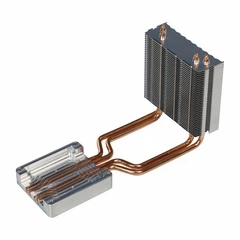
- Aluminum Heat Pipe Communication Module Heatsink: This innovative heatsink uses heat pipe technology to efficiently transfer heat away from the communication module, ensuring optimal performance and reliability.
- Automotive Controller Water Cooling Plate: Our water cooling plate is designed to cool the automotive controller, which is responsible for managing various functions in the vehicle. It provides superior cooling performance and helps extend the lifespan of the controller.
- Lightweight Automotive Controller Water Cooling Plate: This lightweight water cooling plate offers the same high-performance cooling as our standard model but with a reduced weight. It is ideal for applications where weight is a critical factor, such as in electric vehicles.
Conclusion
Checking the coolant level in your cooling system components is a simple yet important maintenance task that can help prevent costly repairs and ensure the longevity of your engine. By following the steps outlined in this blog post, you can easily check the coolant level and keep your cooling system in top condition. If you have any questions or need further assistance, please don't hesitate to contact us. We're here to help you find the right cooling system components for your needs and ensure your vehicle or equipment runs smoothly and efficiently.
References
- Chilton's Auto Repair Manuals
- Haynes Repair Manuals
- Vehicle Owner's Manual