


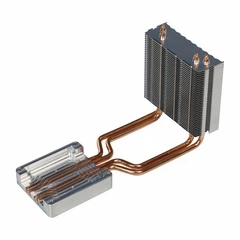
As a supplier of efficient water cooled blocks, I've witnessed firsthand the growing demand for high - performance cooling solutions in various industries, from automotive to energy storage. Understanding how the mounting mechanism of an efficient water cooled block works is crucial for both manufacturers and end - users. In this blog, I'll delve into the details of this mechanism, explaining its components, functions, and the benefits it offers.
The Basics of a Water Cooled Block
Before we dive into the mounting mechanism, let's briefly review what a water cooled block is. A water cooled block is a device designed to transfer heat from a heat - generating component, such as a CPU or a battery, to a liquid coolant. The coolant then carries the heat away to a radiator or other heat - dissipating device.


The efficiency of a water cooled block depends on several factors, including the material it's made of, the design of its internal channels, and how well it's mounted to the heat - generating component.
Components of the Mounting Mechanism
The mounting mechanism of an efficient water cooled block typically consists of several key components:
- Mounting Bracket: This is the framework that holds the water cooled block in place. It's usually made of a strong and rigid material, such as aluminum or steel. The mounting bracket is designed to fit the specific dimensions of the heat - generating component and the water cooled block. It ensures that the block is properly aligned with the component, maximizing the contact area for efficient heat transfer.
- Fasteners: Fasteners, such as screws or bolts, are used to secure the mounting bracket and the water cooled block to the heat - generating component. These fasteners need to be tightened to the correct torque to ensure a secure and even fit. Over - tightening can damage the components, while under - tightening can result in poor heat transfer due to gaps between the block and the component.
- Thermal Interface Material (TIM): TIM is a crucial part of the mounting mechanism. It's applied between the water cooled block and the heat - generating component to fill in any microscopic gaps and irregularities on the surfaces. This improves the thermal conductivity between the two, allowing heat to transfer more efficiently. Common types of TIM include thermal paste and thermal pads.
How the Mounting Mechanism Works
The process of mounting an efficient water cooled block involves several steps:
- Preparation: First, the heat - generating component and the water cooled block need to be cleaned thoroughly to remove any dust, debris, or old thermal interface material. This ensures a clean surface for optimal heat transfer.
- Applying TIM: A small amount of thermal interface material is applied to the center of the heat - generating component. The water cooled block is then carefully placed on top of the component, and the TIM spreads out to fill the gaps as the block is pressed down.
- Installing the Mounting Bracket: The mounting bracket is then installed around the water cooled block and the heat - generating component. The fasteners are inserted through the holes in the bracket and tightened gradually in a criss - cross pattern. This helps to ensure an even distribution of pressure across the block and the component.
- Checking the Fit: After the fasteners are tightened, it's important to check the fit of the water cooled block. There should be no visible gaps between the block and the component, and the block should be firmly attached. If necessary, the fasteners can be adjusted to achieve the correct fit.
Benefits of a Properly Mounted Water Cooled Block
A properly mounted water cooled block offers several benefits:
- Efficient Heat Transfer: By ensuring a good contact between the block and the heat - generating component, the mounting mechanism maximizes the surface area for heat transfer. This allows the water cooled block to remove heat more effectively, keeping the component at a lower temperature.
- Reliability: A secure mounting prevents the water cooled block from moving or vibrating during operation, which could cause damage to the components or disrupt the coolant flow. This improves the overall reliability of the cooling system.
- Longevity: By maintaining a lower temperature, the heat - generating component is less likely to experience thermal stress and degradation over time. This extends the lifespan of the component and reduces the need for frequent replacements.
Applications in Different Industries
Our efficient water cooled blocks are widely used in various industries:
- Automotive: In the automotive industry, water cooled blocks are used to cool components such as engines, electric vehicle batteries, and Lightweight Automotive Controller Water Cooling Plate. The proper mounting of these blocks is essential for maintaining the performance and reliability of the vehicle. For example, in electric vehicles, efficient cooling of the battery pack can improve its charging and discharging efficiency, as well as its overall lifespan.
- Energy Storage: In energy storage systems, such as those used in solar power plants or grid - scale batteries, water cooled blocks are used to cool the battery cells. The mounting mechanism ensures that the heat generated during charging and discharging is effectively removed, preventing overheating and improving the safety and performance of the energy storage system. Our Cavity - type Energy Storage Battery Water Cooling Plate is a popular choice in this industry.
- Home Appliances: Some high - performance home appliances, such as gaming computers and high - end refrigerators, also use water cooled blocks for cooling. The proper mounting of these blocks helps to keep the appliances running smoothly and quietly, while also reducing energy consumption.
Conclusion
The mounting mechanism of an efficient water cooled block is a critical part of its overall performance. By understanding how it works and ensuring proper installation, manufacturers and end - users can maximize the benefits of water cooling, including efficient heat transfer, reliability, and longevity.
If you're interested in learning more about our efficient water cooled blocks or have any questions about the mounting process, we'd be happy to assist you. Whether you're in the automotive, energy storage, or home appliance industry, our products are designed to meet your specific cooling needs. Contact us for procurement and let's start a productive discussion on how our water cooled blocks can enhance your systems.
References
- "Thermal Management Handbook" by P. K. Nag
- "Heat Transfer in Electronic Equipment" by R. K. Shah and D. P. Sekulic