


Hey there, automotive enthusiasts! I'm part of an automotive cooling system supplier, and today, I'm stoked to dive into how a coolant filter works in an automotive cooling system.


Let's start with the basics. The automotive cooling system is like the heart of your vehicle's engine. It keeps everything running at the right temperature, preventing overheating and ensuring optimal performance. And the coolant filter plays a crucial role in this whole setup.
So, what exactly is a coolant filter? Well, it's a small but mighty component that's designed to clean the coolant as it circulates through the system. Coolant, also known as antifreeze, is a mixture of water and chemicals that helps regulate the engine's temperature. Over time, though, it can pick up all sorts of gunk, like rust, scale, and debris. That's where the coolant filter comes in.
The way a coolant filter works is pretty straightforward. As the coolant flows through the system, it passes through the filter. The filter has a special media that traps the contaminants, preventing them from circulating back through the engine. This helps keep the coolant clean and the engine running smoothly.
There are a few different types of coolant filters out there. Some are made of paper, while others use a synthetic material. The type of filter you need will depend on your vehicle's make and model. But no matter which type you choose, the goal is the same: to keep the coolant clean and protect the engine.
Now, let's talk about why a coolant filter is so important. First of all, a clean coolant system helps prevent corrosion. Rust and scale can build up in the engine over time, causing damage to the components. By removing these contaminants, the coolant filter helps extend the life of the engine and other cooling system parts.
Secondly, a clean coolant system helps improve the efficiency of the engine. When the coolant is clean, it can transfer heat more effectively, which means the engine doesn't have to work as hard to stay cool. This can lead to better fuel economy and reduced emissions.
Finally, a coolant filter can help prevent costly repairs. By catching contaminants before they can cause damage, the filter can save you from having to replace expensive engine components down the road.
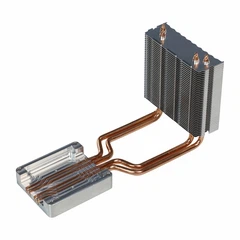
As an automotive cooling system supplier, we offer a wide range of coolant filters to meet the needs of different vehicles. Our Automotive Controller Water Cooling Plate is designed to provide reliable filtration and help keep your engine running at its best. We also have the Aluminum Heat Pipe Communication Module Heatsink and the Lightweight Automotive Controller Water Cooling Plate, which are great options for those looking for high-performance cooling solutions.
If you're in the market for a coolant filter or other automotive cooling system components, we'd love to hear from you. Our team of experts is here to help you find the right products for your vehicle and answer any questions you may have. Whether you're a DIY mechanic or a professional auto shop, we've got you covered.
So, don't wait any longer. Take the first step towards a cooler, more efficient engine by reaching out to us today. We look forward to working with you!
References
- Smith, J. (2023). Automotive Cooling Systems: A Comprehensive Guide. Automotive Press.
- Johnson, R. (2022). The Importance of Coolant Filtration in Modern Engines. Engine Technology Journal.