


Do coffee machine coolers need to be connected to a water source?
As a supplier of coffee machine coolers, I've encountered numerous inquiries from customers regarding the necessity of connecting these coolers to a water source. This question is not only relevant to the functionality of the coffee machines but also impacts the overall user experience and operational efficiency. In this blog post, I'll delve into the factors that determine whether a coffee machine cooler needs a water source connection.
Understanding the Role of Coffee Machine Coolers
Before we address the water source question, it's essential to understand what coffee machine coolers do. These coolers are designed to regulate the temperature of the coffee brewing process. They prevent the coffee from over - heating, which can lead to a bitter taste, and ensure that the coffee is brewed at the optimal temperature for the best flavor extraction.
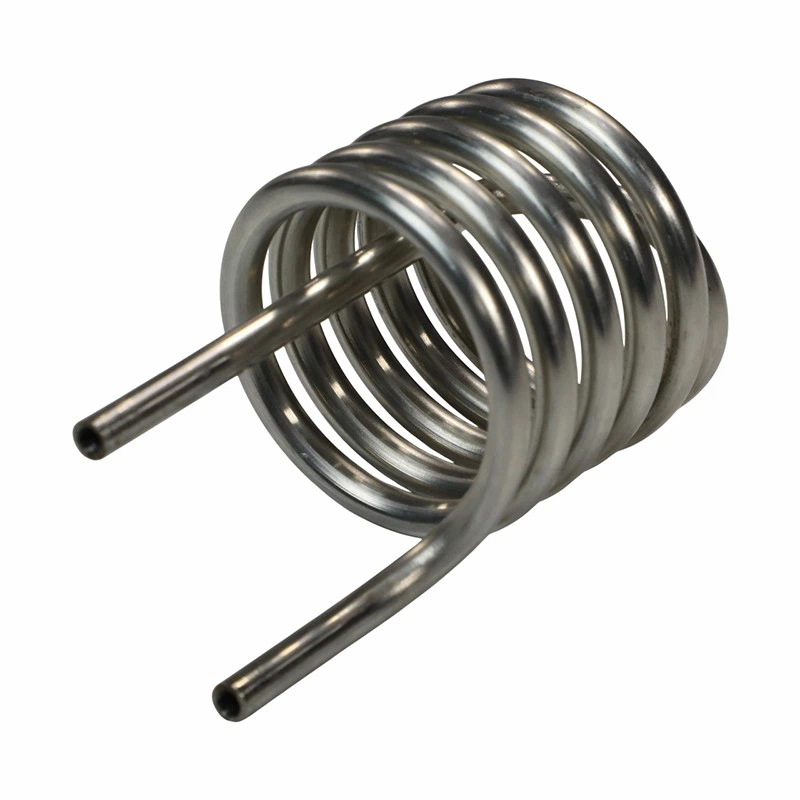
There are different types of coffee machine coolers, including Spring - type Stainless Steel 316 Coil and Coffee Machine Stainless Steel 319 Cooling Coil. These coils are often used in the cooling systems of coffee machines to dissipate heat effectively.
Types of Cooling Systems and Water Requirements
Air - Cooled Coffee Machine Coolers
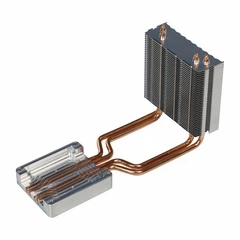
Air - cooled coffee machine coolers rely on air circulation to dissipate heat. They typically have fins or fans that help to increase the surface area for heat transfer. These types of coolers do not need to be connected to a water source.
The advantage of air - cooled systems is their simplicity and ease of installation. They can be placed anywhere as long as there is proper ventilation. However, they may not be as efficient as water - cooled systems, especially in high - volume coffee production environments. For small coffee shops or home use, air - cooled coffee machine coolers are often a practical choice.
Water - Cooled Coffee Machine Coolers
Water - cooled coffee machine coolers, on the other hand, use water as a coolant. They require a continuous supply of water to maintain their cooling efficiency. The water absorbs the heat from the coffee brewing process and then carries it away.
One of the main benefits of water - cooled systems is their high cooling capacity. They can handle large volumes of coffee production without overheating. This makes them ideal for commercial coffee shops, cafes, and restaurants. However, the need for a water source connection can be a drawback. It requires additional plumbing work during installation, and there is also a continuous water consumption cost.
Factors Influencing the Decision
Volume of Coffee Production
The volume of coffee production is a crucial factor in determining whether a water - source connection is necessary. If you are running a small coffee shop that serves a few dozen cups of coffee a day, an air - cooled coffee machine cooler may be sufficient. It can keep the coffee at the right temperature without the need for a water connection.

However, if your business is a large - scale coffee production facility, a water - cooled cooler is likely to be more suitable. It can handle the high demand and ensure consistent coffee quality. For example, a busy coffee roaster that produces hundreds of cups of coffee per hour would benefit from the superior cooling performance of a water - cooled system.
Space and Ventilation
The available space and ventilation in your coffee - making area also play a role. Air - cooled coffee machine coolers require adequate ventilation to function properly. If your space is limited or has poor ventilation, the air - cooled system may not be able to dissipate heat effectively. In such cases, a water - cooled cooler could be a better option, even though it requires a water source connection.
Cost Considerations
Cost is another important factor. The initial cost of a water - cooled coffee machine cooler is usually higher than that of an air - cooled one. In addition to the cost of the cooler itself, there are also the costs associated with plumbing installation and water consumption.
On the other hand, air - cooled coolers have lower upfront costs and no water - related expenses. However, they may have higher energy costs in the long run if they need to run fans continuously to maintain cooling.
Additional Considerations for Water - Cooled Systems
If you decide to go with a water - cooled coffee machine cooler, there are a few additional things to keep in mind. You need to ensure a reliable water source. This may involve connecting to a municipal water supply or a dedicated water tank.
The water quality is also important. Hard water can cause mineral deposits in the cooling system, which can reduce its efficiency and lifespan. Using a water softener or a filtration system can help to prevent this problem.
Some water - cooled coffee machine coolers, like the Water Heater Stainless Steel 318 Coil, are designed to work with specific water conditions. It's important to choose the right cooler based on your water quality and usage requirements.
Conclusion
In conclusion, whether a coffee machine cooler needs to be connected to a water source depends on several factors, including the volume of coffee production, available space, ventilation, and cost considerations. Air - cooled coolers are a great option for small - scale operations due to their simplicity and low cost. Water - cooled coolers, on the other hand, offer superior cooling performance and are better suited for high - volume coffee production.
If you're still unsure which type of coffee machine cooler is right for your business, I encourage you to reach out to us for a consultation. We can help you assess your needs and recommend the most suitable cooler for your specific situation. Whether you need an air - cooled or water - cooled system, we have a wide range of high - quality coffee machine coolers to meet your requirements. Contact us today to start the procurement discussion and take your coffee - making business to the next level.
References
- Coffee Machine Technology Handbook
- Industry reports on coffee machine cooling systems
- Manufacturer's specifications for coffee machine coolers