


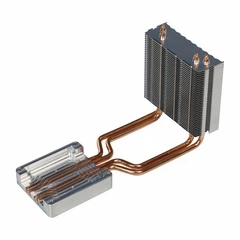
Hey there, fellow car enthusiasts! As a supplier of aluminum automotive radiators, I often get asked about the best coolant to use with these types of radiators. It's a crucial question because the right coolant can significantly impact the performance and longevity of your radiator and, by extension, your vehicle. So, let's dive into the world of coolants and figure out what's the best fit for your aluminum automotive radiator.
Why Aluminum Radiators?
Before we get into the coolant types, let's quickly talk about why aluminum radiators are so popular. Aluminum is lightweight, which helps improve fuel efficiency. It's also highly conductive, meaning it can transfer heat away from the engine more effectively than other materials. This results in better cooling performance and a lower risk of engine overheating.
But here's the thing: aluminum is more reactive than some other metals, so it requires a coolant that can protect it from corrosion. That's where choosing the right coolant comes in.
Types of Coolants
There are several types of coolants available on the market, each with its own set of properties and benefits. Let's take a look at the most common ones and see how they stack up for use with aluminum radiators.
Inorganic Acid Technology (IAT) Coolants
IAT coolants have been around for a long time. They're the traditional green coolants that you've probably seen in older vehicles. These coolants contain inorganic additives like silicates and phosphates, which form a protective layer on the metal surfaces inside the radiator and cooling system.
The good news is that IAT coolants are relatively inexpensive and readily available. They also provide good corrosion protection for aluminum radiators, as long as they're changed regularly. However, the protective layer they form can break down over time, especially if the coolant isn't changed according to the manufacturer's recommendations. This can lead to corrosion and other issues in the radiator and cooling system.
Organic Acid Technology (OAT) Coolants
OAT coolants are a newer type of coolant that uses organic acids to provide corrosion protection. These coolants are typically orange or red in color and have a longer service life than IAT coolants. They're also less likely to form the protective layer that can break down over time, which means they can provide more consistent corrosion protection for your aluminum radiator.
One of the main advantages of OAT coolants is that they're compatible with a wide range of metals, including aluminum. They also have a lower toxicity level than some other types of coolants, which makes them more environmentally friendly. However, OAT coolants can be more expensive than IAT coolants, and they may not be suitable for all vehicles. Some older vehicles may require a different type of coolant, so it's important to check your vehicle's owner's manual before using an OAT coolant.


Hybrid Organic Acid Technology (HOAT) Coolants
HOAT coolants are a hybrid of IAT and OAT coolants. They combine the best of both worlds by using a mixture of inorganic and organic additives to provide corrosion protection. These coolants are typically yellow or greenish-yellow in color and have a service life that's somewhere between IAT and OAT coolants.
HOAT coolants are a popular choice for many modern vehicles, including those with aluminum radiators. They provide good corrosion protection for aluminum and other metals, and they're also compatible with a wide range of cooling system components. However, like OAT coolants, HOAT coolants can be more expensive than IAT coolants, and they may not be suitable for all vehicles.
Factors to Consider When Choosing a Coolant
Now that you know the different types of coolants available, let's talk about the factors you should consider when choosing a coolant for your aluminum automotive radiator.
Compatibility
The most important factor to consider when choosing a coolant is compatibility. You need to make sure that the coolant you choose is compatible with your vehicle's radiator and cooling system. This includes not only the type of metal used in the radiator but also other components like the water pump, thermostat, and hoses.
Check your vehicle's owner's manual for the manufacturer's recommended coolant type. If you're unsure, you can also consult with a professional mechanic or your radiator supplier. They can help you choose a coolant that's compatible with your vehicle and will provide the best protection for your aluminum radiator.
Corrosion Protection
As I mentioned earlier, aluminum is more reactive than some other metals, so it requires a coolant that can protect it from corrosion. Look for a coolant that contains additives specifically designed to protect aluminum. These additives can help prevent the formation of rust and other types of corrosion on the surface of the radiator.
Service Life
The service life of a coolant is another important factor to consider. Some coolants need to be changed more frequently than others, which can add to the cost of maintaining your vehicle. Look for a coolant with a long service life to reduce the frequency of coolant changes and save money in the long run.
Cost
Cost is always a consideration when choosing a coolant. IAT coolants are typically the least expensive, while OAT and HOAT coolants can be more expensive. However, it's important to remember that the cheapest option isn't always the best. You need to balance the cost of the coolant with its performance and compatibility with your vehicle.
Our Aluminum Automotive Radiators and Coolant Recommendations
At our company, we offer a range of high-quality aluminum automotive radiators, including the Cavity-type Energy Storage Battery Water Cooling Plate, Lightweight Automotive Controller Water Cooling Plate, and Automotive Controller Water Cooling Plate. These radiators are designed to provide excellent cooling performance and durability, and they're compatible with a wide range of coolants.
Based on our experience, we recommend using a HOAT coolant with our aluminum automotive radiators. HOAT coolants provide good corrosion protection for aluminum and other metals, and they have a service life that's suitable for most vehicles. However, as I mentioned earlier, it's important to check your vehicle's owner's manual for the manufacturer's recommended coolant type.
Conclusion
Choosing the right coolant for your aluminum automotive radiator is an important decision that can have a significant impact on the performance and longevity of your vehicle. By considering factors like compatibility, corrosion protection, service life, and cost, you can choose a coolant that's the best fit for your vehicle and your budget.
If you have any questions about our aluminum automotive radiators or coolant recommendations, please don't hesitate to contact us. We're here to help you find the right solution for your cooling needs. Whether you're a car enthusiast looking to upgrade your vehicle's radiator or a professional mechanic in need of high-quality radiators for your customers, we're the supplier you can trust.
References
- "Coolant Basics," Automotive Training Center.
- "Choosing the Right Coolant for Your Vehicle," Car and Driver.
- "Aluminum Radiators: Benefits and Maintenance," Popular Mechanics.