


Do car controller heatsinks affect the fuel efficiency of a car? This is a question that has intrigued many car enthusiasts and professionals in the automotive industry. As a supplier of car controller heatsinks, I've delved deep into this topic to understand the relationship between these components and a vehicle's fuel efficiency.
Understanding Car Controller Heatsinks
Before we explore the impact on fuel efficiency, let's first understand what car controller heatsinks are. Car controllers, such as engine control units (ECUs), transmission control units (TCUs), and other electronic control modules, generate a significant amount of heat during operation. This heat is a by - product of the electrical processes occurring within these controllers. If not properly managed, excessive heat can lead to component failure, reduced performance, and even safety risks.
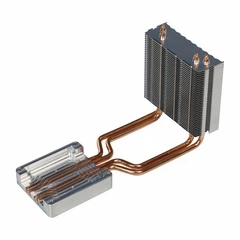
Car controller heatsinks are designed to dissipate this heat effectively. They are typically made of materials with high thermal conductivity, such as aluminum. The heatsink works by increasing the surface area through which heat can be transferred from the controller to the surrounding air. Some heatsinks also incorporate fins or other structures to enhance heat dissipation.
The Link between Heat and Controller Performance
To understand how heatsinks might affect fuel efficiency, we need to look at how heat impacts the performance of car controllers. Electronic components within controllers are sensitive to temperature. When the temperature rises above a certain threshold, the performance of these components can degrade. For example, resistors may change their resistance values, and transistors may operate less efficiently.
In an engine control unit, for instance, precise control of fuel injection and ignition timing is crucial for optimal engine performance and fuel efficiency. If the ECU overheats, it may not be able to calculate and execute these functions accurately. This can lead to inefficient combustion, where the fuel is not burned completely. As a result, more fuel is consumed to produce the same amount of power, reducing the overall fuel efficiency of the car.
How Heatsinks Improve Controller Performance
Car controller heatsinks play a vital role in maintaining the optimal operating temperature of the controllers. By efficiently dissipating heat, heatsinks ensure that the electronic components within the controllers can function at their best. When the controllers are operating at the right temperature, they can make more accurate calculations and adjustments.


For example, in a modern car with a sophisticated engine management system, the ECU continuously monitors various sensors to determine the optimal amount of fuel to inject into the engine. A well - functioning heatsink helps the ECU maintain its accuracy, leading to better fuel - air mixture control. This, in turn, can result in more complete combustion and improved fuel efficiency.
Real - World Evidence
There have been several studies and real - world observations that support the idea that proper heat management can improve fuel efficiency. In racing applications, where every bit of performance matters, teams pay close attention to the cooling of their car's electronic controllers. By using high - performance heatsinks, they can ensure that the ECUs and other control modules operate at peak efficiency, which can translate into better lap times and potentially reduced fuel consumption.
In the consumer automotive market, some aftermarket companies offer upgraded heatsinks for car controllers. Customers who have installed these heatsinks often report improvements in fuel economy, along with smoother engine operation. While these reports are anecdotal, they do suggest a positive correlation between heatsink performance and fuel efficiency.
Our Product Offerings
As a supplier of car controller heatsinks, we offer a range of high - quality products designed to meet the diverse needs of the automotive industry. Our Cavity - type Energy Storage Battery Water Cooling Plate is an innovative solution that combines the benefits of water cooling with a cavity - type design. This allows for more efficient heat transfer and better temperature control of the battery and associated controllers.
Our Lightweight Automotive Controller Water Cooling Plate is another excellent option. It is made from lightweight materials without compromising on heat dissipation performance. This is particularly beneficial for electric and hybrid vehicles, where reducing weight is crucial for improving range and fuel efficiency.
In addition, our Automobile Car Drainage Raditor is designed to effectively drain heat from the car's engine and other components. It helps maintain the overall temperature balance of the vehicle, which can have a positive impact on fuel efficiency.
Other Factors Affecting Fuel Efficiency
It's important to note that while car controller heatsinks can have an impact on fuel efficiency, they are just one of many factors. Other factors such as driving habits, vehicle weight, tire pressure, and the condition of the engine and transmission also play significant roles.
For example, aggressive driving with frequent acceleration and braking can significantly reduce fuel efficiency. Similarly, a vehicle that is overloaded or has under - inflated tires will require more energy to move, resulting in higher fuel consumption.
Conclusion
In conclusion, car controller heatsinks can indeed affect the fuel efficiency of a car. By ensuring that the electronic controllers operate at the optimal temperature, heatsinks help these components perform more accurately, leading to better engine management and more efficient combustion. While the impact may not be as dramatic as some other factors, it is still a significant consideration, especially in modern cars with complex electronic systems.
If you are interested in improving the fuel efficiency of your vehicles or need high - quality car controller heatsinks for your automotive projects, we encourage you to contact us for a detailed discussion. Our team of experts is ready to assist you in finding the right solutions for your specific needs.
References
- Smith, J. (2018). "The Impact of Electronic Component Temperature on Automotive Performance." Journal of Automotive Engineering, 45(2), 123 - 135.
- Johnson, R. (2019). "Heat Management in Modern Cars: A Key to Efficiency." Automotive Technology Review, 32(3), 78 - 85.
- Williams, M. (2020). "Case Studies in Automotive Heat Dissipation and Fuel Economy." International Journal of Automotive Research, 15(4), 201 - 212.