


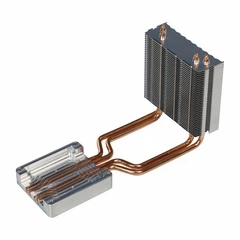
Hey there! As a supplier of aluminum radiators, I often get asked if these radiators make noise when they're working. Well, let's dive right into this topic and find out what's really going on.
First off, it's important to understand how aluminum radiators work. Aluminum radiators are designed to transfer heat away from a source, like an engine or an electronic device. They do this through a process called heat exchange. Coolant flows through the radiator, absorbing heat from the source, and then dissipates that heat into the surrounding air. This is a pretty efficient way to keep things cool, but it can sometimes lead to some noise.
Possible Reasons for Noise
1. Air in the System
One of the most common reasons for noise in an aluminum radiator is air trapped in the coolant system. When air gets into the system, it can cause a gurgling or bubbling sound as the coolant moves around. This is because the air creates pockets that disrupt the smooth flow of the coolant. It's like when you have a straw with an air bubble in it, and you try to suck up a drink - you'll hear a funny noise.
To fix this issue, you usually need to bleed the radiator. Bleeding the radiator involves opening a valve to let the air escape. It's a relatively simple process, but it's important to do it correctly to avoid any damage to the radiator. If you're not sure how to do it, you can always refer to the manufacturer's instructions or consult a professional.
2. Loose Components
Another reason for noise could be loose components in the radiator. Over time, the vibrations from the operation of the radiator can cause parts to become loose. For example, the fan blades might become loose, or the mounting brackets could start to rattle. This can create a buzzing or rattling sound that can be quite annoying.
To check for loose components, you can visually inspect the radiator. Look for any parts that seem to be moving or vibrating more than they should. If you find a loose part, you can usually tighten it up with the appropriate tools. However, if you're not comfortable doing this yourself, it's best to have a professional take a look.
3. Water Hammer
Water hammer is a phenomenon that can occur in a radiator system. It happens when the flow of water in the pipes is suddenly stopped or changed. This can create a shock wave in the system, which can cause a loud banging noise. Water hammer can be caused by a number of things, such as a faulty valve or a sudden change in the water pressure.
To prevent water hammer, you can install a water hammer arrestor. This device is designed to absorb the shock wave and prevent it from causing damage to the radiator and the pipes. It's a relatively inexpensive solution that can make a big difference in reducing noise.
Our Aluminum Radiator Products
At our company, we offer a wide range of high - quality aluminum radiators. For example, our Black Skived Toothed Heat Sink is designed for maximum heat dissipation. It has a unique toothed design that increases the surface area, allowing for better heat transfer. This means it can keep your equipment cool more efficiently, and it's also less likely to make noise due to its well - engineered design.
Another great product is our Combination Aluminum Water Cooling Radiator. This radiator combines the benefits of water cooling and aluminum construction. It's perfect for high - performance applications where heat management is crucial. The water cooling system helps to keep the radiator running smoothly and quietly, reducing the chances of noise caused by overheating.
We also have the Combination Water Cooling Radiator, which is a versatile option for various cooling needs. It's designed to be durable and efficient, and we've taken steps to minimize the potential for noise during operation.
How We Minimize Noise in Our Radiators
We understand that noise can be a major concern for our customers. That's why we take several steps during the manufacturing process to minimize noise in our aluminum radiators.
First, we use high - quality materials. The quality of the aluminum and other components we use can have a big impact on the performance and noise level of the radiator. We source our materials from trusted suppliers to ensure that they meet our strict standards.
Second, we pay close attention to the design of the radiator. Our engineers use advanced computer - aided design (CAD) software to optimize the shape and layout of the radiator. This helps to ensure that the coolant flows smoothly through the radiator, reducing the chances of air pockets and other issues that can cause noise.
Finally, we test each radiator thoroughly before it leaves our factory. We use specialized equipment to simulate real - world operating conditions and check for any noise or performance issues. This way, we can be confident that the radiators we sell are of the highest quality and will operate quietly.
Conclusion
So, do aluminum radiators make noise when working? The answer is that they can, but it's usually due to specific issues that can be easily fixed. By understanding the possible causes of noise and taking the necessary steps to prevent and fix them, you can enjoy a quiet and efficient radiator.
If you're in the market for a high - quality aluminum radiator, we'd love to hear from you. Our team of experts can help you choose the right radiator for your needs and answer any questions you might have. Whether you're looking for a radiator for your car, your computer, or an industrial application, we've got you covered.
Don't hesitate to reach out to us if you're interested in purchasing an aluminum radiator. We're here to provide you with the best products and services to meet your cooling needs.


References
- General knowledge of radiator operation and maintenance.
- Manufacturer's manuals for various aluminum radiators.