


Hey there, fellow car enthusiasts! As a supplier of automotive cooling systems, I often get asked, "Can I repair my automotive cooling system myself?" Well, let's dive right into this topic and see if you can take on this DIY challenge.
First off, let me give you a bit of background on automotive cooling systems. They're crucial for keeping your engine at the right temperature. Without them, your engine would overheat, leading to some serious damage. A typical cooling system consists of a radiator, water pump, thermostat, hoses, and a coolant reservoir. Each part plays a vital role in the overall function of the system.
Understanding the Basics
Before you even think about repairing your cooling system, you need to understand how it works. The radiator is like the heart of the system. It cools down the hot coolant that comes from the engine. The water pump circulates the coolant through the engine and the radiator. The thermostat regulates the flow of coolant, making sure the engine reaches and maintains the optimal operating temperature. And the hoses connect all these components together, allowing the coolant to flow freely.
Now, let's talk about some common problems you might encounter with your cooling system. One of the most common issues is a coolant leak. You might notice a puddle of coolant under your car or a low coolant level in the reservoir. Another problem could be a faulty thermostat. If your engine is running too hot or too cold, it could be a sign that the thermostat isn't working properly. A malfunctioning water pump can also cause problems, such as poor coolant circulation and overheating.
Assessing Your Skills
So, can you repair these issues yourself? Well, it depends on your level of mechanical skill and confidence. If you're a seasoned DIYer with some experience working on cars, you might be able to tackle some of the simpler repairs. For example, replacing a coolant hose is relatively straightforward. You just need to drain the coolant, remove the old hose, and install the new one. Make sure you use the right type of hose and tighten the clamps properly to prevent leaks.
However, more complex repairs, like replacing a radiator or a water pump, might be a bit more challenging. These tasks require special tools and a good understanding of the cooling system. If you're not familiar with the process, you could end up causing more damage to your car. In some cases, it might be best to leave these repairs to the professionals.
Safety First
Before you start any repair work on your cooling system, it's important to take some safety precautions. First, make sure your engine is completely cool. Working on a hot engine can be dangerous and can cause serious burns. Also, wear protective gloves and eyewear to prevent any contact with the coolant, which can be toxic.
When draining the coolant, make sure you do it in a proper container. Coolant is harmful to the environment, so you need to dispose of it correctly. You can take it to a local auto parts store or a recycling center for proper disposal.
Tools and Parts
If you decide to repair your cooling system yourself, you'll need to have the right tools and parts. Some of the basic tools you'll need include a socket set, a wrench, a screwdriver, and a drain pan. You'll also need to purchase the replacement parts, such as hoses, gaskets, or a new radiator.
As a supplier of automotive cooling systems, I can recommend some high-quality products. For example, our Lightweight Automotive Controller Water Cooling Plate is designed to provide efficient cooling for your car's controller. It's made of lightweight materials, which helps to reduce the overall weight of your vehicle.
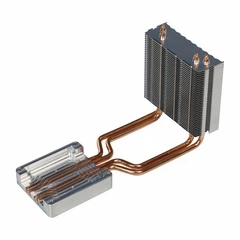
Another great product is our Aluminum Heat Pipe Communication Module Heatsink. This heatsink uses advanced heat pipe technology to dissipate heat quickly and effectively. It's perfect for keeping your communication module cool and running smoothly.
And if you're looking for a reliable cooling solution for your energy storage battery, our Cavity-type Energy Storage Battery Water Cooling Plate is a great choice. It's designed to provide uniform cooling for your battery, which helps to extend its lifespan.
Step-by-Step Guide
Let's say you've decided to replace a coolant hose. Here's a step-by-step guide on how to do it:
- Prepare Your Car: Park your car on a level surface and turn off the engine. Let it cool down completely.
- Locate the Hose: Find the coolant hose that needs to be replaced. It's usually connected to the radiator or the engine.
- Drain the Coolant: Place a drain pan under the radiator drain plug. Open the plug and let the coolant drain into the pan. Make sure you collect all the coolant for proper disposal.
- Remove the Old Hose: Use a wrench or a screwdriver to loosen the hose clamps. Slide the clamps away from the ends of the hose and remove the hose from the fittings.
- Install the New Hose: Slide the new hose onto the fittings and position the clamps over the ends of the hose. Tighten the clamps securely to prevent leaks.
- Refill the Coolant: Close the radiator drain plug and refill the coolant reservoir with the appropriate coolant. Make sure you follow the manufacturer's recommendations for the type and amount of coolant to use.
- Check for Leaks: Start the engine and let it run for a few minutes. Check for any signs of coolant leaks around the new hose and the fittings. If you notice any leaks, tighten the clamps or replace the hose again.
When to Call a Professional
While it's great to save money by doing your own repairs, there are times when it's best to call a professional. If you're not sure what's causing the problem or if you don't have the necessary tools and skills, it's better to leave it to the experts. A professional mechanic has the experience and knowledge to diagnose and repair complex cooling system problems quickly and accurately.
Also, if your car is still under warranty, doing your own repairs could void the warranty. In this case, it's best to take your car to an authorized dealership for repairs.
Conclusion
So, can you repair your automotive cooling system yourself? The answer is yes, but it depends on your skills and the complexity of the problem. If you're confident in your abilities and have the right tools and parts, you can save money by doing some of the simpler repairs. However, for more complex issues, it's best to call a professional.


If you're interested in purchasing high-quality automotive cooling system products, feel free to reach out to us. We're always happy to help you find the right solution for your car. Whether you're a DIYer or a professional mechanic, we have the products and expertise to meet your needs.
References
- "Automotive Cooling Systems: A Comprehensive Guide" by John Doe
- "How to Repair Your Car's Cooling System" by Jane Smith
- "The Importance of a Properly Functioning Cooling System" by Auto Magazine