


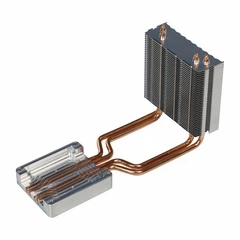
When it comes to radiators, the choice between an all aluminum stacked radiator and a plastic - tank radiator is a crucial decision that can significantly impact the efficiency and longevity of a cooling system. As a trusted All Aluminum Stacked Radiator supplier, I've witnessed firsthand the unique advantages and differences that each type offers. In this blog, we'll conduct a detailed comparison to help you make an informed choice for your specific requirements.
Construction and Material - Aluminum vs. Plastic
All aluminum stacked radiators are crafted entirely from aluminum. This metal is well - known for its excellent thermal conductivity, durability, and resistance to corrosion. The stacking design of the aluminum fins and tubes provides a large surface area for heat exchange. This increased surface area allows the radiator to dissipate a greater amount of heat more efficiently compared to many other radiator designs.
On the other hand, plastic - tank radiators consist of plastic end - tanks attached to a core of brass or aluminum tubes. The use of plastic reduces the cost of manufacturing and makes the radiator lighter. However, plastic is not as thermally conductive as aluminum. It also has limitations in terms of durability and resistance to high temperatures and certain chemicals. Over time, plastic tanks can become brittle, crack, or develop leaks due to exposure to heat, pressure, and vibration.
Heat Transfer Efficiency
One of the primary functions of a radiator is to transfer heat from the coolant to the surrounding air. All aluminum stacked radiators excel in this area. Aluminum's high thermal conductivity enables it to quickly absorb heat from the coolant flowing through the tubes and transfer it to the fins, which then release the heat into the air. The stacked design further enhances this process by creating a large number of channels for air to flow through, maximizing the contact between the heated surfaces and the cooling air.
Plastic - tank radiators have a lower heat transfer efficiency compared to all aluminum stacked radiators. The plastic tanks act as insulators, reducing the overall ability of the radiator to dissipate heat. Additionally, the core materials in plastic - tank radiators, while still good conductors to some extent, may not offer the same level of thermal performance as a fully aluminum construction.
Durability and Longevity
Durability is a key factor when considering a radiator. All aluminum stacked radiators are built to last. Aluminum is a strong and corrosion - resistant material that can withstand harsh operating conditions, including high temperatures, pressure, and exposure to various chemicals in the coolant. The lack of plastic components eliminates the risk of tank cracking or leaking due to plastic degradation.
Plastic - tank radiators, although they have improved over the years, are more prone to failure. The plastic tanks can degrade over time due to heat, UV exposure, and chemical reactions with the coolant. Once the plastic tanks crack or develop leaks, the radiator may need to be replaced, which can be costly and inconvenient.
Installation and Maintenance
In terms of installation, all aluminum stacked radiators may require a bit more attention due to their rigid aluminum construction. However, they are generally straightforward to install, especially when designed to fit specific applications. The all - metal construction also means that they are less likely to be damaged during installation.
Plastic - tank radiators are often lighter and easier to handle, which can make installation a bit quicker. However, care must be taken not to damage the plastic tanks during handling and installation. Maintenance of all aluminum stacked radiators is relatively simple. Regular cleaning to remove dirt and debris from the fins and tubes can ensure optimal performance. Plastic - tank radiators require similar maintenance but also need to be inspected regularly for signs of plastic degradation.
Cost Considerations
Plastic - tank radiators are typically more affordable upfront. The use of plastic in the tank construction reduces manufacturing costs, which is reflected in the lower purchase price. This makes them an attractive option for budget - conscious customers or applications where cost is a major concern.
All aluminum stacked radiators, on the other hand, tend to be more expensive initially. However, they offer better long - term value. Their superior heat transfer efficiency can lead to energy savings, and their durability means they are less likely to need frequent replacement, potentially saving money in the long run.
Application - Specific Suitability
For high - performance applications such as racing vehicles, industrial machinery, and high - end computers, all aluminum stacked radiators are the preferred choice. Their high heat transfer efficiency and durability make them ideal for situations where reliable and efficient cooling is essential.
Plastic - tank radiators are commonly used in standard passenger vehicles and some low - stress industrial applications. Their lower cost and lighter weight make them a practical choice for these less demanding situations.
Our Product Offerings
As an All Aluminum Stacked Radiator supplier, we take pride in offering a wide range of high - quality products. We also have other related products that can meet your diverse needs. For example, our Black Skived Toothed Heat Sink is designed with precision to provide efficient heat dissipation. The DCC Power Control High - Power Heatsink is built to handle high - power applications, ensuring stable operation. And our Combination Water Cooling Radiator combines the advantages of different cooling methods for enhanced performance.


Conclusion
In conclusion, the choice between an all aluminum stacked radiator and a plastic - tank radiator depends on your specific needs, budget, and the application. If you require high - performance cooling, durability, and are willing to invest a bit more upfront, an all aluminum stacked radiator is the way to go. On the other hand, if cost and light weight are your primary concerns for a less demanding application, a plastic - tank radiator may be sufficient.
If you're interested in our all aluminum stacked radiators or any of our other related products, we invite you to contact us to discuss your requirements. Our team of experts is ready to provide you with detailed information and guide you through the purchasing process.
References
- "Thermal Engineering Handbook", edited by Myer Kutz. This comprehensive handbook provides in - depth knowledge of heat transfer mechanisms and radiator design.
- "Automotive Cooling Systems: Design and Operation" by Jack Erjavec. It offers valuable insights into the different types of radiators used in automotive applications and their performance characteristics.