


Can an aluminum radiator be used in a low - pressure heating system?
As a supplier of aluminum radiators, I often encounter inquiries from customers regarding the suitability of aluminum radiators for low - pressure heating systems. In this blog, I will delve into this topic to provide a comprehensive understanding.
Understanding Low - Pressure Heating Systems
Low - pressure heating systems typically operate at relatively low pressures, often below 15 psi (pounds per square inch). These systems are commonly found in residential and some small - scale commercial buildings. The low pressure is maintained to ensure safety and energy - efficient operation. The heat source in these systems can be a boiler, a heat pump, or other heating devices. The key characteristic of low - pressure systems is that they require components that can function effectively under these mild pressure conditions.
Advantages of Aluminum Radiators in Low - Pressure Systems
- Lightweight and Easy Installation
Aluminum is a lightweight metal, which makes aluminum radiators much easier to handle and install compared to radiators made of other materials such as cast iron. In a low - pressure heating system, where the structural requirements are not as demanding as in high - pressure systems, the lightweight nature of aluminum radiators is a significant advantage. It reduces the load on the building structure and simplifies the installation process, potentially saving time and labor costs. - High Thermal Conductivity
One of the most prominent features of aluminum is its high thermal conductivity. This means that aluminum radiators can transfer heat more efficiently than many other types of radiators. In a low - pressure heating system, where the heat transfer rate is crucial for maintaining a comfortable indoor temperature, the high thermal conductivity of aluminum radiators allows for rapid heating and cooling, ensuring a more responsive heating system. - Corrosion Resistance
Aluminum has a natural oxide layer on its surface that provides a certain degree of corrosion resistance. In a low - pressure heating system, where the water chemistry can be better controlled, the corrosion resistance of aluminum radiators helps to extend their service life. However, it is important to note that the water quality in the system still needs to be properly maintained to prevent any potential corrosion issues. - Aesthetic Appeal
Aluminum radiators come in a variety of sleek and modern designs. They can enhance the interior decor of a building, which is an important consideration for many residential and commercial property owners. In low - pressure heating systems, which are often used in living spaces and offices, the aesthetic appeal of aluminum radiators can add value to the property.
Considerations when Using Aluminum Radiators in Low - Pressure Systems
- Water Chemistry
Although aluminum has some corrosion resistance, the water chemistry in the low - pressure heating system must be carefully monitored. The pH level, oxygen content, and the presence of certain chemicals in the water can all affect the corrosion rate of aluminum radiators. For example, if the water is too acidic or contains high levels of dissolved oxygen, it can accelerate the corrosion of the aluminum. Therefore, it is necessary to use appropriate water treatment agents to maintain the proper water chemistry. - Compatibility with Other Components
In a low - pressure heating system, the aluminum radiator needs to be compatible with other components such as pipes, pumps, and valves. Some materials used in these components may react with aluminum, leading to corrosion or other issues. It is important to ensure that all components in the system are made of materials that are compatible with aluminum. - Pressure and Temperature Ratings
Even though it is a low - pressure system, the aluminum radiator must still be rated for the specific pressure and temperature conditions of the system. Exceeding the pressure or temperature ratings of the radiator can lead to damage and potential safety hazards. It is essential to select an aluminum radiator with appropriate ratings to ensure its reliable operation in the low - pressure heating system.
Our Aluminum Radiator Products
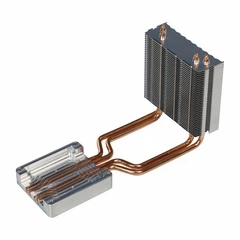
We offer a wide range of aluminum radiators suitable for low - pressure heating systems. For example, our Combination Water Cooling Radiator is designed to provide efficient heat transfer in low - pressure environments. It combines water cooling technology with the high thermal conductivity of aluminum to ensure optimal performance.


Another product is our Black Skived Toothed Heat Sink. This heat sink is made of high - quality aluminum and features a unique toothed design that increases the surface area for heat dissipation. It is suitable for low - pressure heating systems where efficient heat removal is required.
Our Air - Cooled Laser Module Heatsink is also a great option for low - pressure systems. It uses air - cooling technology to transfer heat, and its aluminum construction ensures high thermal efficiency and long - term reliability.
Conclusion
In conclusion, aluminum radiators can be effectively used in low - pressure heating systems. They offer many advantages such as lightweight, high thermal conductivity, corrosion resistance, and aesthetic appeal. However, proper consideration must be given to water chemistry, component compatibility, and pressure and temperature ratings. As a professional aluminum radiator supplier, we are committed to providing high - quality products and technical support to ensure the successful application of aluminum radiators in low - pressure heating systems.
If you are interested in our aluminum radiators for your low - pressure heating system, please feel free to contact us for more information and to discuss your specific requirements. We are looking forward to the opportunity to work with you and provide you with the best heating solutions.
References
- ASHRAE Handbook of Heating, Ventilation, and Air - Conditioning Systems and Equipment.
- Aluminum Association Technical Papers on Aluminum in Heating Systems.