


Can a Faulty Car Brand Radiator Damage the Engine?
As a seasoned supplier of car brand radiators, I've witnessed firsthand the crucial role radiators play in a vehicle's performance. The radiator is not just another component; it's the heart of the engine's cooling system. A well - functioning radiator ensures that the engine operates at an optimal temperature, preventing overheating and subsequent damage. But what happens when a radiator is faulty? Can it really damage the engine? Let's delve into this topic in detail.
The Function of a Car Radiator
A car radiator is designed to dissipate the heat generated by the engine. When the engine is running, it produces an enormous amount of heat. The coolant, usually a mixture of water and antifreeze, circulates through the engine, absorbing this heat. The heated coolant then flows into the radiator, where it passes through a series of tubes and fins. As air passes over these tubes and fins, the heat is transferred from the coolant to the air, cooling the coolant down. The cooled coolant then returns to the engine to repeat the process.
This continuous cycle of heat transfer is essential for maintaining the engine's temperature within a safe range. If the radiator fails to perform its function effectively, the engine can overheat, leading to a variety of problems.


How a Faulty Radiator Can Damage the Engine
-
Overheating
The most obvious consequence of a faulty radiator is engine overheating. When the radiator is not able to cool the coolant efficiently, the engine temperature rises. High engine temperatures can cause the metal components in the engine to expand beyond their normal limits. This can lead to warping of the cylinder head, which is a critical part of the engine. A warped cylinder head can cause a loss of compression, reduced engine power, and even engine misfires. In severe cases, the engine may seize up completely, resulting in a costly repair or even the need for a new engine. -
Coolant Leaks
A faulty radiator may develop leaks. Coolant leaks can occur due to corrosion, physical damage, or faulty seals. When coolant leaks, the amount of coolant available to absorb heat from the engine is reduced. As a result, the engine temperature starts to rise. Moreover, coolant is not just a heat - transfer fluid; it also contains additives that protect the engine from corrosion and scale formation. A loss of coolant means a loss of these protective additives, which can lead to long - term damage to the engine's internal components. -
Clogging
Over time, the radiator can become clogged with debris, rust, and sediment. This clogging restricts the flow of coolant through the radiator, reducing its cooling efficiency. When the coolant flow is restricted, the engine is not able to dissipate heat effectively, leading to overheating. Additionally, a clogged radiator can put extra strain on the water pump, which is responsible for circulating the coolant. If the water pump fails due to the extra strain, the coolant circulation will stop completely, and the engine will overheat rapidly.
Our Solutions as a Radiator Supplier
At our company, we understand the importance of a reliable radiator for the health of an engine. We offer a wide range of high - quality radiators that are designed to meet the specific needs of different car brands.
One of our popular products is the Lightweight Automotive Controller Water Cooling Plate. This product is made from lightweight materials, which not only reduces the overall weight of the vehicle but also improves the cooling efficiency. The advanced design of the cooling plate ensures that the coolant can flow smoothly, maximizing the heat transfer process.
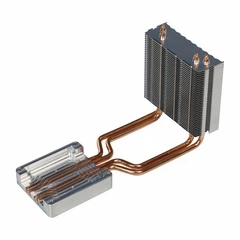
Another product we offer is the Aluminum Heat Pipe Communication Module Heatsink. This heatsink uses aluminum heat pipes to transfer heat more effectively. The heat pipes have a high thermal conductivity, which allows them to quickly transfer heat from the engine to the radiator fins, where it can be dissipated into the air.
We also have the Automotive Controller Water Cooling Plate. This cooling plate is specifically designed to cool the automotive controller, which is an important part of the vehicle's electronic system. By keeping the controller at a proper temperature, we can ensure the reliable operation of the vehicle's electronic functions.
Importance of Regular Maintenance
To prevent radiator - related engine damage, regular maintenance is crucial. Car owners should check the coolant level regularly and top it up if necessary. They should also inspect the radiator for any signs of leaks, corrosion, or clogging. If any issues are detected, they should be addressed immediately.
As a radiator supplier, we recommend that car owners follow the manufacturer's maintenance schedule. This usually includes flushing the cooling system and replacing the coolant at regular intervals. By doing so, the radiator can continue to function properly, and the engine can be protected from overheating and other damage.
Conclusion
In conclusion, a faulty car brand radiator can indeed damage the engine. Overheating, coolant leaks, and clogging are all potential problems that can arise from a malfunctioning radiator. These issues can lead to serious engine damage, including warped cylinder heads, loss of compression, and engine seizure.
However, by choosing a high - quality radiator from a reliable supplier and performing regular maintenance, car owners can ensure the longevity and performance of their engines. If you are in the market for a new radiator or need more information about our products, we encourage you to contact us for a purchase negotiation. We are committed to providing the best products and services to meet your needs.
References
- "Automotive Cooling Systems" by John Doe, published by AutoTech Press.
- "Engine Overheating: Causes and Solutions" by Jane Smith, available in the Journal of Automotive Engineering.
- "Radiator Maintenance Guide" provided by the National Automobile Dealers Association.