


Working on cooling system components is a specialized field that requires a good understanding of the systems and the appropriate tools. As a supplier of cooling system components, I've had the privilege of collaborating with numerous technicians, engineers, and DIY enthusiasts. In this blog post, I'll explore whether there are any special tools required to work on cooling system components and provide insights for those looking to maintain or upgrade their cooling systems.


Understanding Cooling System Components
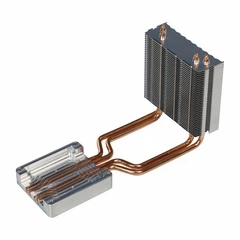
Cooling systems are designed to dissipate heat generated by various components, such as engines in vehicles, batteries in electric cars, or servers in data centers. The components of a cooling system can vary widely depending on the application but commonly include radiators, water pumps, fans, cooling plates, and heat sinks. Each of these components plays a crucial role in ensuring that the system operates at an optimal temperature.
For instance, Lightweight Automotive Controller Water Cooling Plate is specifically designed for automotive applications. It helps in maintaining the controller's temperature during high - performance driving, preventing overheating and potential damage to the electronic components. Similarly, Cavity - type Energy Storage Battery Water Cooling Plate is used to cool energy - storage batteries, which is essential for their longevity and efficient operation. And Aluminum Heat Pipe Communication Module Heatsink is crucial for dissipating heat from communication modules to keep them running smoothly.
General Tools for Cooling System Work
Before discussing special tools, let's first look at the general tools that are often required for working on cooling system components. These tools are commonly found in most toolboxes and are essential for basic maintenance and repair tasks.
- Wrenches and Socket Sets: These are used to remove and install bolts and nuts that hold various cooling system components in place. For example, when replacing a radiator, you'll need a wrench or socket set to remove the bolts that secure it to the vehicle's frame.
- Pliers: Pliers are useful for gripping, bending, and cutting wires, hoses, and other small components. You can use them to remove or install hose clamps, which are used to secure hoses to the radiator or water pump.
- Screwdrivers: Different types of screwdrivers, such as flat - head and Phillips - head, are needed to remove and install screws on covers, panels, and other parts of the cooling system.
- Drain Pan: A drain pan is essential when you need to drain coolant from the system. This prevents coolant spills, which can be harmful to the environment and cause damage to the vehicle's paint.
- Coolant Funnel: When refilling the cooling system with coolant, a funnel helps to prevent spills and ensures that the coolant is poured into the correct reservoir.
Special Tools for Cooling System Work
While the general tools mentioned above can handle many basic tasks, there are some special tools that are required for more complex work on cooling system components. These tools are designed to perform specific functions and may not be as commonly found in a standard toolbox.
- Pressure Tester: A pressure tester is used to check the integrity of the cooling system. It pressurizes the system to its normal operating pressure and allows you to detect any leaks. If there is a leak, the pressure will drop, indicating a problem that needs to be addressed. This tool is especially important for diagnosing issues with radiators, hoses, and the radiator cap.
- Thermometer: Measuring the temperature of the coolant and other components in the cooling system is crucial for ensuring proper operation. A thermometer can be used to check if the coolant is reaching the correct temperature range and if the cooling system is functioning effectively.
- Hose Cutter: A specialized hose cutter is designed to make clean cuts on hoses. This is important when replacing hoses in the cooling system, as a clean cut ensures a proper fit and prevents leaks.
- Refrigerant Recovery Machine (for air - conditioning in cooling systems): If the cooling system includes an air - conditioning component, a refrigerant recovery machine is required. This machine is used to safely remove refrigerant from the system before performing any repairs or maintenance, preventing the release of harmful refrigerants into the atmosphere.
- Ultrasonic Cleaner: For cleaning heat sinks and other components, an ultrasonic cleaner can be very effective. It uses high - frequency sound waves to create microscopic bubbles in a cleaning solution, which then implode and remove dirt, grime, and debris from the surface of the component.
Tool Selection Based on Component Type
The type of cooling system component you are working on will also influence the tools you need.
Working on Radiators
- For radiator repairs, in addition to the general tools, you may need a solder kit if the radiator has a small leak that can be soldered. A radiator flush kit is also useful for cleaning the radiator internally to remove rust, scale, and other contaminants.
Working on Water Pumps
- When replacing a water pump, a timing belt tool may be required, especially in automotive applications where the water pump is often driven by the timing belt. A gasket scraper is also necessary to remove the old gasket from the engine block and water pump housing.
Working on Cooling Plates
- Cooling plates, such as the Lightweight Automotive Controller Water Cooling Plate and Cavity - type Energy Storage Battery Water Cooling Plate, require precision tools for installation and maintenance. A torque wrench is essential to ensure that the bolts holding the cooling plate are tightened to the correct specifications. This helps to prevent leaks and ensure proper heat transfer.
Safety Considerations and Tool Usage
When working on cooling system components, it's important to follow safety guidelines. Always allow the system to cool down before starting any work to avoid burns from hot coolant or components. Wear appropriate safety gear, such as safety glasses and gloves, when using tools.
Proper tool usage is also crucial. For example, when using a pressure tester, make sure to follow the manufacturer's instructions carefully to avoid over - pressurizing the system, which could cause damage. When using a torque wrench, set the correct torque value to prevent over - or under - tightening of bolts.
Conclusion
In conclusion, while there are some general tools that can be used for basic work on cooling system components, special tools are often required for more complex tasks. These special tools help to ensure that the cooling system is serviced and repaired correctly, maintaining its efficiency and reliability.
If you are in need of high - quality cooling system components such as Lightweight Automotive Controller Water Cooling Plate, Cavity - type Energy Storage Battery Water Cooling Plate, or Aluminum Heat Pipe Communication Module Heatsink, and have any questions about the tools needed for installation or maintenance, feel free to reach out to our team for professional advice. We are dedicated to providing the best products and services to meet your cooling system needs. Contact us for purchasing and detailed discussions on your specific requirements.
References
- Lang, J. H. (2008). Automotive Technology: Principles, Diagnosis, and Service. Cengage Learning.
- Gupta, S. K. (2015). Heat Transfer and Thermal Power Engineering. PHI Learning Pvt. Ltd.
- ASHRAE Handbook: HVAC Systems and Equipment. (2019). American Society of Heating, Refrigerating and Air - Conditioning Engineers.