


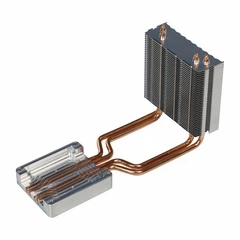
In the dynamic landscape of the automotive industry, radiator technology stands as a critical component that has evolved significantly over the years. As a long - standing car brand radiator supplier, I've witnessed firsthand the disparities in radiator technology between new and old car brands. These differences are shaped by various factors, including technological advancements, market demands, and brand strategies.
Technological Advancements
One of the most prominent differences between new and old car brands lies in the integration of cutting - edge technologies. New car brands, often driven by a desire to differentiate themselves in a competitive market, are more likely to adopt the latest radiator technologies. For instance, they are increasingly turning to advanced materials and manufacturing processes.
Newer brands are embracing lightweight materials such as aluminum alloys. Aluminum offers several advantages over traditional materials like copper and brass. It is lighter, which helps in reducing the overall weight of the vehicle, thereby improving fuel efficiency. Additionally, aluminum has excellent thermal conductivity, allowing for more efficient heat transfer. Our Lightweight Automotive Controller Water Cooling Plate is a prime example of this trend. It is designed using high - grade aluminum to provide superior cooling performance while keeping the weight to a minimum.
In contrast, old car brands may be more conservative in their approach. They often continue to use traditional radiator designs and materials that have proven reliable over time. While these designs are generally robust, they may lack the efficiency and performance of modern radiators. For example, copper - brass radiators, which were once the industry standard, are heavier and less efficient in heat transfer compared to their aluminum counterparts.


Another area where new car brands are leading the way is in the use of advanced cooling technologies. Newer models are equipped with intelligent cooling systems that can adjust the cooling rate based on the engine's operating conditions. These systems use sensors to monitor factors such as engine temperature, coolant flow, and ambient temperature, and then adjust the radiator fan speed and coolant circulation accordingly. This not only improves cooling efficiency but also helps in reducing energy consumption.
Old car brands, on the other hand, may rely on more basic cooling systems that operate at a fixed rate. These systems are less adaptable to changing conditions and may not provide the optimal cooling performance in all situations.
Market Demands
Market demands also play a significant role in shaping the radiator technology of new and old car brands. New car brands are often targeting a younger, more tech - savvy consumer base that values innovation and performance. As a result, they are under pressure to incorporate the latest radiator technologies to meet these expectations.
Consumers today are more concerned about environmental impact and fuel efficiency. New car brands are responding to this by developing radiators that are more energy - efficient and environmentally friendly. For example, the use of aluminum radiators not only reduces the vehicle's weight and improves fuel efficiency but also makes the recycling process easier. Our Aluminum Heat Pipe Communication Module Heatsink is designed with these environmental considerations in mind, using recyclable aluminum materials.
Old car brands, however, may have a more established customer base that values reliability and familiarity. These brands may focus more on maintaining the traditional features and performance of their vehicles rather than pushing the boundaries of radiator technology. They may be more hesitant to adopt new technologies due to concerns about cost, reliability, and customer acceptance.
Brand Strategies
Brand strategies also contribute to the differences in radiator technology. New car brands often use technological innovation as a key differentiator in the market. By offering state - of - the - art radiator technology, they can position themselves as leaders in the industry and attract customers who are looking for the latest and greatest features.
For example, some new electric vehicle brands are investing heavily in advanced radiator technology to ensure the efficient cooling of their high - performance batteries. Our Cavity - type Energy Storage Battery Water Cooling Plate is specifically designed to meet the cooling needs of these energy - storage systems, providing reliable and efficient cooling for electric vehicles.
Old car brands, on the other hand, may focus on brand loyalty and heritage. They may be more inclined to maintain the status quo and make incremental improvements to their existing radiator designs rather than making radical changes. This approach can help them retain their core customer base but may also limit their ability to compete with new brands in terms of technological innovation.
Impact on the Supply Chain
These differences in radiator technology between new and old car brands have a significant impact on the supply chain. As a radiator supplier, we need to be able to adapt to the diverse needs of our customers. For new car brands, we need to invest in research and development to keep up with the latest technological trends. This includes developing new materials, manufacturing processes, and cooling solutions.
We also need to be able to provide quick turnaround times and high - quality products to meet the fast - paced nature of the new car market. On the other hand, for old car brands, we need to ensure the continuity of supply of traditional radiator components. This may involve maintaining large inventories of spare parts and providing reliable after - sales support.
Conclusion
In conclusion, there are indeed significant differences in radiator technology between new and old car brands. These differences are driven by technological advancements, market demands, and brand strategies. New car brands are more likely to embrace the latest technologies, while old car brands may be more conservative in their approach.
As a car brand radiator supplier, we are committed to providing innovative and reliable radiator solutions to both new and old car brands. Whether you are a new brand looking for cutting - edge cooling technology or an old brand in need of traditional radiator components, we have the expertise and resources to meet your needs. If you are interested in learning more about our radiator products and solutions, please feel free to reach out to us for a detailed discussion and potential procurement opportunities.
References
- Automotive Engineering International Journal, various issues on radiator technology advancements.
- Industry reports on automotive market trends and consumer demands.
- Internal research and development documents from our company on radiator design and manufacturing.