


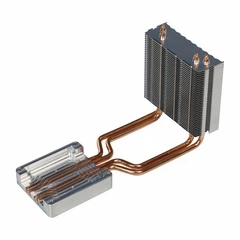
Hey there! As a supplier of Aluminum Finned Heat Sinks, I've seen firsthand how air pollution can mess with these little cooling heroes. Let's dive into what's really going on when our heat sinks face off against the less - than - clean air.
What Are Aluminum Finned Heat Sinks Anyway?
Before we talk about the impact of air pollution, let me quickly explain what aluminum finned heat sinks are. These are devices used to cool down electronic components. They're made of aluminum, which is a great conductor of heat. The fins on them increase the surface area, allowing heat to dissipate more efficiently into the surrounding air. You can find them in all sorts of things, like computers, power supplies, and even some automotive electronics.
How Air Pollution Affects Aluminum Finned Heat Sinks
Deposition of Particulate Matter
One of the most obvious effects of air pollution is the deposition of particulate matter on the heat sinks. You know how when you leave a window open in a dusty area, it gets covered in a layer of dirt? Well, the same thing happens to heat sinks. Particles like dust, soot, and pollen can accumulate on the fins.
This layer of particulate matter acts as an insulator. It stops the heat from transferring from the heat sink to the air as effectively. Think of it like putting a blanket over a radiator. The heat can't get out easily, and the temperature of the electronic component being cooled starts to rise. If this goes on for too long, it can lead to overheating, which can damage the component and reduce its lifespan.
Corrosion
Air pollution often contains chemicals like sulfur dioxide, nitrogen oxides, and various acids. These chemicals can react with the aluminum in the heat sinks, causing corrosion. Corrosion is basically the gradual destruction of the metal.
When corrosion occurs, it can eat away at the fins of the heat sink. This reduces the surface area available for heat transfer. And as we know, a smaller surface area means less efficient cooling. Also, the corroded parts can flake off, which can further clog up the fins and make the situation even worse.
Reduced Airflow
Another problem caused by air pollution is reduced airflow around the heat sink. The accumulated particulate matter can block the spaces between the fins. This makes it harder for air to flow through the heat sink.


Airflow is crucial for heat dissipation. When air moves over the fins, it carries away the heat. But if the airflow is restricted, the heat just sits there. The heat sink can't do its job properly, and again, the temperature of the electronic component rises.
Real - World Examples
I've had customers come to me complaining about overheating issues in their equipment. When we inspected the heat sinks, we often found them covered in a thick layer of dirt and dust. In some industrial areas where air pollution is really bad, the corrosion was so severe that the heat sinks were almost falling apart.
One customer had a server room. The servers were equipped with our aluminum finned heat sinks. But due to the high levels of air pollution in the area, the heat sinks were clogged with particulate matter. This led to the servers overheating, which caused system crashes and data loss. Once we cleaned the heat sinks and installed air filters to reduce future pollution exposure, the problem was resolved.
How to Mitigate the Impact
So, what can we do to reduce the impact of air pollution on aluminum finned heat sinks?
Regular Cleaning
The simplest solution is regular cleaning. You can use compressed air to blow away the dust and particulate matter from the fins. For more stubborn dirt, you can use a mild detergent and a soft brush. But be careful not to damage the fins while cleaning.
Air Filtration
Installing air filters in the environment where the heat sinks are used can also help. Air filters can trap a large portion of the particulate matter before it reaches the heat sinks. This reduces the amount of dirt that accumulates on the fins and extends the time between cleanings.
Protective Coatings
Applying a protective coating to the heat sinks can prevent corrosion. There are various types of coatings available that can resist the chemicals in air pollution. These coatings act as a barrier between the aluminum and the pollutants.
Our Product Range
At our company, we offer a wide range of high - quality Aluminum Finned Heat Sinks. We also have other great products like the Controllable Power Water Cooling Plate, which is perfect for applications where you need precise control over the cooling process.
The Black Skived Toothed Heat Sink is another excellent option. It has a unique design that maximizes the surface area for heat transfer, making it very efficient.
And if you're looking for a radiator that can handle high - power applications, our All Aluminum Stacked Radiator is a great choice. It's built to last and can withstand harsh environmental conditions.
Conclusion
Air pollution can have a significant impact on aluminum finned heat sinks. It can reduce their efficiency, cause corrosion, and lead to overheating problems. But by taking the right precautions, like regular cleaning, using air filters, and applying protective coatings, we can minimize these effects.
If you're in the market for high - quality heat sinks or other cooling solutions, we're here to help. Whether you're dealing with air pollution issues or just need a reliable cooling system, our products are designed to meet your needs. Don't hesitate to reach out for a purchase or to have a chat about your specific requirements. We're always happy to assist!
References
- "Thermal Management of Electronic Systems" by R. Mahajan
- "Corrosion of Metals in Polluted Environments" by J. Smith
- Industry reports on the impact of air pollution on electronic components