


The automotive cooling system is a critical component in any vehicle, responsible for maintaining the engine at an optimal operating temperature. A failing cooling system can lead to a range of problems, from minor inconveniences to major engine damage. As a leading supplier of automotive cooling systems, we understand the importance of recognizing the signs of a failing cooling system early on. In this blog post, we'll explore the key indicators that your vehicle's cooling system may be in trouble.
Rising Temperature Gauge
One of the most obvious signs of a failing cooling system is a rising temperature gauge on your dashboard. The temperature gauge is designed to indicate the engine's operating temperature, and if it starts to climb into the red zone, it's a clear indication that something is wrong. This could be due to a variety of issues, such as a malfunctioning thermostat, a clogged radiator, or a leak in the cooling system.
A malfunctioning thermostat can prevent the coolant from flowing properly through the engine, causing it to overheat. The thermostat is a valve that regulates the flow of coolant based on the engine's temperature. If it gets stuck in the closed position, the coolant won't be able to circulate, and the engine will quickly overheat.
A clogged radiator can also restrict the flow of coolant, leading to overheating. Radiators can become clogged with debris, rust, or sediment over time, reducing their ability to dissipate heat. This can be especially problematic in older vehicles or those that are driven in harsh conditions.
Leaks in the cooling system can also cause the temperature gauge to rise. Coolant leaks can occur anywhere in the system, including the radiator, hoses, water pump, or heater core. If you notice a puddle of coolant under your vehicle or see signs of coolant leakage, such as steam coming from the engine compartment, it's important to have the issue addressed immediately.
Coolant Leaks
As mentioned above, coolant leaks are a common sign of a failing cooling system. Coolant is a mixture of water and antifreeze that helps to regulate the engine's temperature. If there is a leak in the cooling system, the coolant level will drop, and the engine may overheat.
Coolant leaks can be caused by a variety of factors, including damaged hoses, a cracked radiator, a faulty water pump, or a blown head gasket. Hoses can become brittle and crack over time, especially in hot or cold weather. Radiators can also develop cracks due to corrosion or physical damage. A faulty water pump can cause coolant to leak from the front of the engine, while a blown head gasket can allow coolant to leak into the combustion chambers.
If you suspect a coolant leak, it's important to check the coolant level regularly. You can do this by looking at the coolant reservoir, which is usually located near the radiator. If the coolant level is low, you may need to add more coolant. However, it's important to note that adding coolant is only a temporary fix, and you should have the leak repaired as soon as possible.
Low Coolant Level
In addition to coolant leaks, a low coolant level can also indicate a problem with the cooling system. If the coolant level is consistently low, it could be a sign of a leak or a malfunctioning component.
As we've discussed, leaks can cause the coolant level to drop over time. However, there are other factors that can also contribute to a low coolant level. For example, if the radiator cap is not sealing properly, coolant can evaporate from the system. A faulty water pump can also cause the coolant level to drop by not circulating the coolant effectively.
To check the coolant level, you can use the coolant reservoir. The reservoir has markings that indicate the minimum and maximum coolant levels. If the coolant level is below the minimum mark, you should add more coolant. However, if you find yourself having to add coolant frequently, it's a sign that there is a problem with the cooling system that needs to be addressed.
Strange Noises
Strange noises coming from the engine compartment can also be a sign of a failing cooling system. These noises can indicate a variety of issues, such as a loose or damaged belt, a malfunctioning water pump, or air in the cooling system.
A loose or damaged belt can cause a squealing or chirping noise. The belts in the engine compartment are responsible for driving various components, including the water pump. If a belt is loose or damaged, it can slip or make noise as it rotates.
A malfunctioning water pump can also cause strange noises. The water pump is responsible for circulating the coolant through the engine. If it is not working properly, it can make a whining or grinding noise. This could be due to a worn bearing or a damaged impeller.
Air in the cooling system can also cause gurgling or bubbling noises. This can happen if the cooling system has not been properly bled after a repair or if there is a leak in the system that is allowing air to enter.
Reduced Heater Performance
The heater in your vehicle is connected to the cooling system, and a failing cooling system can affect its performance. If you notice that the heater is not blowing hot air or is not working as well as it used to, it could be a sign of a problem with the cooling system.
A clogged heater core can prevent hot coolant from flowing through the heater, reducing its ability to produce heat. The heater core is a small radiator that is located inside the vehicle's dashboard. It works by transferring heat from the coolant to the air that is blown into the cabin. If the heater core becomes clogged with debris or sediment, it can restrict the flow of coolant and reduce the heater's performance.
A malfunctioning thermostat can also affect the heater's performance. If the thermostat is stuck in the closed position, the coolant won't be able to reach the heater core, and the heater won't produce hot air.
Steam or Smoke from the Engine
If you see steam or smoke coming from the engine compartment, it's a serious sign that the cooling system is failing. This could be due to an overheating engine, a coolant leak, or a blown head gasket.
An overheating engine can cause coolant to boil and turn into steam. This can happen if the cooling system is not able to dissipate heat effectively, such as when the radiator is clogged or the water pump is not working properly.
A coolant leak can also cause steam or smoke to come from the engine. If coolant is leaking onto a hot engine component, it can evaporate and produce steam.
A blown head gasket can allow coolant to leak into the combustion chambers, where it can be burned along with the fuel. This can produce white smoke from the exhaust and may also cause the engine to misfire.
Foamy or Discolored Coolant
Foamy or discolored coolant can also indicate a problem with the cooling system. Foamy coolant can be a sign of air in the system or a blown head gasket. Air in the cooling system can cause the coolant to foam, especially if the system has not been properly bled. A blown head gasket can allow combustion gases to enter the cooling system, causing the coolant to foam.
Discolored coolant can also be a sign of a problem. If the coolant is rusty or brown, it could be a sign of corrosion in the cooling system. This can be caused by a variety of factors, including old coolant, a faulty radiator, or a damaged water pump.
If you notice foamy or discolored coolant, it's important to have the cooling system inspected by a professional. They can determine the cause of the problem and recommend the appropriate repairs.
Conclusion
Recognizing the signs of a failing automotive cooling system is crucial for maintaining the health and performance of your vehicle. By paying attention to these indicators, you can catch problems early and prevent major engine damage.


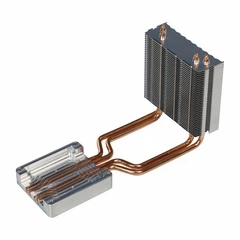
As a leading supplier of automotive cooling systems, we offer a wide range of high-quality products to meet your needs. Our Aluminum Heat Pipe Communication Module Heatsink is designed to provide efficient heat dissipation for communication modules in vehicles. Our Lightweight Automotive Controller Water Cooling Plate is ideal for cooling automotive controllers, while our Automobile Car Drainage Raditor is designed to effectively drain water from the radiator.
If you're experiencing any of the signs of a failing cooling system or are in need of a new cooling system component, we encourage you to contact us for more information. Our team of experts can help you find the right solution for your vehicle and provide you with the support you need to keep your engine running cool.
References
- "Automotive Cooling Systems: A Comprehensive Guide." Haynes Manuals.
- "How to Diagnose and Fix a Car Overheating Problem." AutoZone.
- "Cooling System Basics." Motor Trend.