


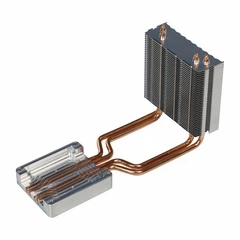
As a supplier of Circular Base LED Heat Sinks, I've witnessed firsthand the critical role that surface treatments play in enhancing the performance and longevity of these essential components. In this blog post, I'll delve into the common surface treatments for circular base LED heat sinks, exploring their benefits, applications, and how they contribute to the overall efficiency of LED lighting systems.
Anodizing
Anodizing is a widely used surface treatment for circular base LED heat sinks, particularly those made of aluminum. This electrochemical process creates a protective oxide layer on the surface of the aluminum, which not only enhances its corrosion resistance but also improves its thermal conductivity. Anodized heat sinks are highly durable and can withstand harsh environmental conditions, making them ideal for outdoor and industrial applications.
One of the key advantages of anodizing is its ability to improve the heat transfer efficiency of the heat sink. The oxide layer created during the anodizing process has a high thermal conductivity, which allows heat to be transferred more effectively from the LED to the surrounding environment. This helps to reduce the operating temperature of the LED, which in turn extends its lifespan and improves its performance.
Anodized heat sinks are also available in a variety of colors, which can be used to enhance the aesthetic appeal of the LED lighting system. This makes them a popular choice for architectural and decorative lighting applications, where both functionality and appearance are important.
Powder Coating
Powder coating is another common surface treatment for circular base LED heat sinks. This process involves applying a dry powder to the surface of the heat sink, which is then cured under heat to form a hard, durable finish. Powder coating offers several benefits, including excellent corrosion resistance, durability, and a wide range of color options.
One of the main advantages of powder coating is its ability to provide a uniform and smooth finish on the heat sink. This helps to improve the overall appearance of the LED lighting system and can also reduce the risk of dust and dirt accumulation on the heat sink surface. Additionally, powder coating is a more environmentally friendly alternative to traditional liquid painting methods, as it produces less waste and emissions.
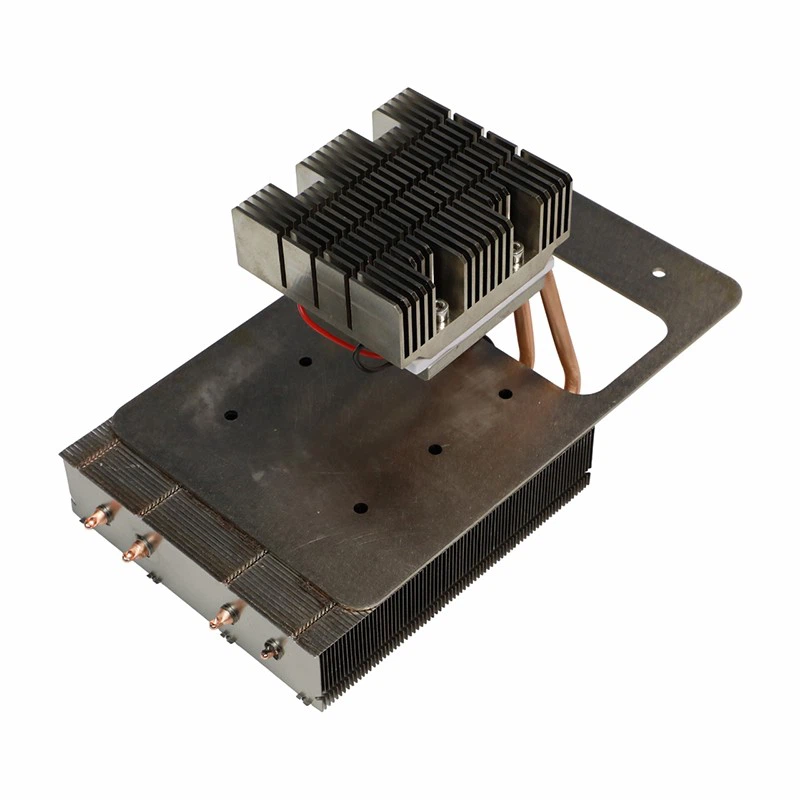

Powder-coated heat sinks are commonly used in indoor lighting applications, where a high level of durability and aesthetic appeal is required. They are also suitable for outdoor applications, provided that the powder coating is formulated to withstand harsh weather conditions.
Electroless Nickel Plating
Electroless nickel plating is a surface treatment process that involves depositing a layer of nickel-phosphorus alloy onto the surface of the heat sink. This process is often used to improve the corrosion resistance and wear resistance of the heat sink, particularly in harsh or corrosive environments.
One of the key benefits of electroless nickel plating is its ability to provide a uniform and consistent coating on the heat sink surface. This helps to ensure that the heat sink has a high level of corrosion resistance and can withstand exposure to moisture, chemicals, and other corrosive agents. Additionally, electroless nickel plating can improve the solderability of the heat sink, which is important for applications where the heat sink needs to be soldered to other components.
Electroless nickel-plated heat sinks are commonly used in industrial and automotive lighting applications, where they are exposed to harsh environmental conditions. They are also suitable for applications where a high level of corrosion resistance and wear resistance is required, such as in marine and aerospace applications.
Black Oxide Coating
Black oxide coating is a surface treatment process that involves converting the surface of the heat sink into a black oxide layer. This process is often used to improve the heat absorption and radiation properties of the heat sink, as well as its corrosion resistance.
One of the main advantages of black oxide coating is its ability to increase the emissivity of the heat sink surface. Emissivity is a measure of how effectively a material can radiate heat, and a higher emissivity means that the heat sink can transfer heat more efficiently to the surrounding environment. This helps to reduce the operating temperature of the LED, which in turn extends its lifespan and improves its performance.
Black oxide-coated heat sinks are commonly used in high-power LED lighting applications, where a high level of heat dissipation is required. They are also suitable for applications where a black finish is desired for aesthetic reasons, such as in architectural and decorative lighting.
Conclusion
In conclusion, surface treatments play a crucial role in enhancing the performance and longevity of circular base LED heat sinks. Anodizing, powder coating, electroless nickel plating, and black oxide coating are all common surface treatments that offer a range of benefits, including improved corrosion resistance, thermal conductivity, durability, and aesthetic appeal.
As a supplier of Circular Base LED Heat Sinks, we offer a wide range of surface treatment options to meet the specific needs of our customers. Whether you're looking for a heat sink with high corrosion resistance, excellent thermal conductivity, or a specific color finish, we can help you find the right solution.
If you're interested in learning more about our Circular Base LED Heat Sinks or our surface treatment options, please don't hesitate to contact us. We'd be happy to discuss your requirements and provide you with a quote.
References
- "Surface Treatments for Aluminum Heat Sinks," Thermal Solutions, Inc.
- "Powder Coating: A Guide to the Process and Its Benefits," Powder Coating Institute.
- "Electroless Nickel Plating: A Versatile Surface Treatment," Metal Finishing Magazine.
- "Black Oxide Coating: Properties and Applications," Surface Technology.