


Hey there, fellow industry enthusiasts! As a supplier in the tunnel brazing process game, I've seen firsthand the ins and outs of what it takes to make this process work like a charm. Today, I'm gonna dive deep into the working environment requirements for the tunnel brazing process.
First things first, let's talk about temperature. Temperature control is crucial in tunnel brazing. The brazing furnace in the tunnel needs to maintain a specific and consistent temperature range throughout the process. This is because the brazing filler metal has a specific melting point, and if the temperature is too low, the filler won't melt properly, leading to weak joints. On the other hand, if it's too high, it can cause over - heating of the base materials, which might result in distortion or even damage to the components being brazed.
For most common brazing materials, the furnace temperature usually ranges from around 500°C to 1000°C. To achieve and maintain this temperature, we need high - quality heating elements and a reliable temperature control system. The heating elements should be able to heat up the furnace quickly and evenly. And the temperature sensors need to be accurate and responsive, constantly monitoring the temperature and sending signals to the control system to make adjustments as needed.
Another important aspect is the atmosphere inside the tunnel. In many cases, a protective atmosphere is required to prevent oxidation of the base materials and the brazing filler metal during the heating process. Oxidation can form a layer on the surface of the materials, which can prevent the filler metal from wetting and bonding properly with the base materials.
One commonly used protective atmosphere is nitrogen. Nitrogen is an inert gas, which means it doesn't react easily with the metals. By filling the tunnel with nitrogen, we can create an environment where oxidation is minimized. Sometimes, a small amount of hydrogen is also added to the nitrogen atmosphere. Hydrogen can act as a reducing agent, helping to remove any existing oxide layers on the metal surfaces.
The flow rate of the protective gas is also critical. If the flow rate is too low, there might not be enough gas to displace the oxygen inside the tunnel, and oxidation could still occur. If the flow rate is too high, it can cause turbulence inside the tunnel, which might affect the heat distribution and the stability of the brazing process.
Now, let's consider the ventilation system. A good ventilation system is essential in the working environment of tunnel brazing. During the brazing process, some fumes and gases are generated, which can be harmful to human health if inhaled. These fumes might contain metal oxides, flux residues, and other by - products.
The ventilation system should be able to effectively remove these fumes from the working area. It should have a proper exhaust duct that can direct the fumes outside the building. The exhaust fan needs to have enough power to ensure a sufficient airflow. Additionally, the ventilation system should be designed in such a way that it doesn't create negative pressure inside the tunnel, which could disrupt the protective atmosphere.
In terms of the physical space, the tunnel brazing equipment needs enough room around it. There should be sufficient clearance for operators to move around, perform maintenance, and load and unload the components. The working area should also be well - lit so that operators can clearly see what they're doing. Good lighting can help prevent mistakes during the loading and unloading process, as well as during visual inspections.
The floor of the working area needs to be strong and level. The tunnel brazing equipment is usually heavy, and if the floor isn't strong enough, it could cause the equipment to tilt or even damage the floor. A level floor is also important for the stability of the equipment and the accuracy of the brazing process.
Let's also not forget about the humidity in the working environment. High humidity can cause problems in tunnel brazing. Moisture in the air can react with the metals and the brazing filler metal, leading to corrosion and oxidation. It can also affect the performance of the flux, if flux is being used in the brazing process. Therefore, the humidity level in the working area should be kept relatively low, usually below 60%. This can be achieved by using dehumidifiers if necessary.
As for the cleanliness of the working environment, it's of utmost importance. Any dirt, dust, or debris on the components being brazed can interfere with the brazing process. These contaminants can prevent the filler metal from bonding properly with the base materials. So, the working area should be kept clean at all times. The components should be cleaned thoroughly before being loaded into the tunnel brazing equipment.
We also need to ensure that the equipment itself is well - maintained. Regular maintenance of the tunnel brazing equipment, including checking the heating elements, the temperature sensors, the gas supply system, and the ventilation system, can help ensure the stability and quality of the brazing process.
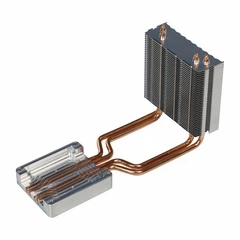
Now, let me tell you a bit about the products we can produce with our tunnel brazing process. We offer some pretty awesome products like the Aluminum Heat Pipe Communication Module Heatsink. This heatsink is designed to efficiently dissipate heat in communication modules, helping to keep the components cool and functioning properly.
Another great product is the Lightweight Automotive Controller Water Cooling Plate. It's an essential part for automotive controllers, as it helps to regulate the temperature and prevent over - heating, which is crucial for the performance and reliability of the vehicle.
And don't forget about the Automotive Controller Water Cooling Plate. This plate is specifically engineered to meet the high - performance requirements of automotive controllers, ensuring optimal cooling and long - term durability.


If you're in the market for high - quality products made with the tunnel brazing process, or if you have any questions about the working environment requirements or our products, don't hesitate to reach out to us for a purchase consultation. We're here to help you find the best solutions for your needs.
References:
- "Brazing Handbook" - A comprehensive guide on brazing processes and techniques.
- Industry reports on automotive and communication module component manufacturing.