


How often should I clean my aluminum automotive radiator?
As a supplier of aluminum automotive radiators, I often get asked about the optimal cleaning frequency for these crucial components. Aluminum automotive radiators play a vital role in maintaining the engine's temperature within a safe operating range. Over time, however, they can accumulate dirt, debris, and scale, which can impede their performance and potentially lead to engine overheating. In this blog post, I'll delve into the factors that influence how often you should clean your aluminum automotive radiator and provide some practical guidelines to help you keep your radiator in top condition.
Factors Affecting Cleaning Frequency
Several factors determine how often you need to clean your aluminum automotive radiator. Understanding these factors will help you establish a personalized cleaning schedule that meets the specific needs of your vehicle.
Driving Conditions
The environment in which you drive has a significant impact on the rate at which your radiator accumulates dirt and debris. If you frequently drive on dusty roads, in areas with high pollen counts, or near industrial sites, your radiator is likely to get dirty more quickly. Similarly, if you drive in stop-and-go traffic, your radiator may not receive sufficient airflow to keep it clean, leading to a faster buildup of contaminants.
Climate
Extreme temperatures, both hot and cold, can also affect the performance of your radiator and the frequency of cleaning. In hot climates, the radiator has to work harder to dissipate heat, which can cause it to become clogged more quickly. On the other hand, in cold climates, the radiator may be exposed to road salt and other chemicals, which can corrode the aluminum and reduce its efficiency.
Vehicle Usage
How you use your vehicle can also influence the cleaning frequency of your radiator. If you frequently tow heavy loads, drive at high speeds, or use your vehicle for off-road activities, your radiator will be under more stress and may require more frequent cleaning. Additionally, if you use your vehicle for commercial purposes, such as delivery or transportation, it may be exposed to more wear and tear, which can also increase the need for regular maintenance.


General Cleaning Guidelines
Based on the factors mentioned above, here are some general guidelines to help you determine how often you should clean your aluminum automotive radiator:
Normal Driving Conditions
If you drive your vehicle under normal conditions, such as on paved roads in a moderate climate, you should clean your radiator at least once a year. This will help prevent the buildup of dirt and debris and ensure that your radiator is functioning at its best.
Harsh Driving Conditions
If you drive your vehicle in harsh conditions, such as on dusty roads, in areas with high pollen counts, or near industrial sites, you should clean your radiator every six months. This will help prevent the radiator from becoming clogged and ensure that it can effectively dissipate heat.
High-Performance Vehicles
If you own a high-performance vehicle or use your vehicle for towing, racing, or off-road activities, you should clean your radiator more frequently. Depending on the severity of the usage, you may need to clean your radiator every three to six months.
Cleaning Your Aluminum Automotive Radiator
Now that you know how often you should clean your radiator, let's take a look at the steps involved in cleaning it:
Step 1: Prepare Your Vehicle
Before you start cleaning your radiator, make sure your vehicle is cool and parked on a level surface. Turn off the engine and allow it to cool down completely. You should also wear protective gloves and eyewear to prevent any injuries.
Step 2: Locate the Radiator
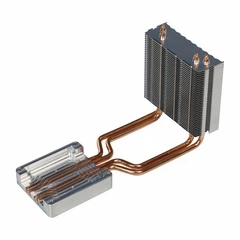
The radiator is usually located at the front of the vehicle, behind the grille. It is a large, rectangular component with a series of fins and tubes.
Step 3: Remove the Radiator Cap
Once you have located the radiator, remove the radiator cap. This will allow any pressure to escape and prevent any coolant from splashing out.
Step 4: Inspect the Radiator
Before you start cleaning the radiator, inspect it for any signs of damage or leaks. Look for any cracks, holes, or loose connections. If you notice any damage, you should have the radiator repaired or replaced before cleaning it.
Step 5: Clean the Radiator
To clean the radiator, you can use a soft brush or a compressed air gun to remove any loose dirt and debris. You can also use a radiator cleaner to remove any stubborn stains or scale. Follow the instructions on the cleaner carefully and make sure you rinse the radiator thoroughly with water after cleaning it.
Step 6: Reinstall the Radiator Cap
Once you have cleaned the radiator, reinstall the radiator cap. Make sure it is tightened securely to prevent any coolant from leaking out.
Conclusion
In conclusion, the frequency of cleaning your aluminum automotive radiator depends on several factors, including driving conditions, climate, and vehicle usage. By following the general guidelines outlined in this blog post, you can ensure that your radiator is cleaned at the appropriate intervals and is functioning at its best. Regular cleaning of your radiator will not only help prevent engine overheating but also extend the lifespan of your radiator and your vehicle.
If you have any questions or need further assistance with cleaning your aluminum automotive radiator, please don't hesitate to contact us. We are a leading supplier of Aluminum Heat Pipe Communication Module Heatsink, Cavity-type Energy Storage Battery Water Cooling Plate, and Lightweight Automotive Controller Water Cooling Plate. Our team of experts is always ready to provide you with the best advice and products to meet your needs. Whether you're a car enthusiast or a professional mechanic, we have the solutions you're looking for. Contact us today to start a conversation about your radiator needs and explore our high - quality product range.
References
- "Automotive Cooling System Maintenance Guide", published by an automotive engineering association.
- "The Effects of Environmental Factors on Aluminum Radiator Performance", a research paper from a university's mechanical engineering department.
- "Best Practices for Radiator Cleaning and Maintenance", an industry - standard manual.