


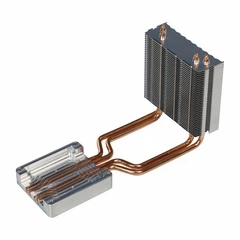
As a supplier of Versatile Water Cooling Plates, I often encounter questions from customers regarding the necessity of regular calibration. In this blog post, I'll delve into this topic, exploring the reasons behind calibration, its benefits, and whether it's truly essential for maintaining the optimal performance of these cooling plates.
Understanding Versatile Water Cooling Plates
Before we discuss calibration, let's briefly understand what Versatile Water Cooling Plates are. These cooling plates are designed to dissipate heat efficiently from various electronic components, such as high - power lasers, semiconductors, and LEDs. They work on the principle of transferring heat from the source to the water flowing through the plate, which then carries the heat away. The versatility of these plates lies in their ability to be customized for different applications, sizes, and heat dissipation requirements.
The Concept of Calibration
Calibration is the process of comparing a measuring instrument or system's output with a known standard to ensure its accuracy. In the context of Versatile Water Cooling Plates, calibration involves checking and adjusting parameters such as temperature control, flow rate, and pressure to ensure that the cooling plate is operating within the specified performance range.
Reasons for Regular Calibration
1. Accuracy of Temperature Control
One of the primary functions of a Versatile Water Cooling Plate is to maintain a stable temperature for the electronic components it is cooling. Over time, factors such as wear and tear, sediment buildup in the water channels, or changes in the water quality can affect the plate's ability to control temperature accurately. Regular calibration helps to identify and correct any deviations in temperature control, ensuring that the components are kept at the optimal operating temperature. For example, in semiconductor applications, even a slight deviation in temperature can lead to reduced performance or even damage to the chips.
2. Flow Rate and Pressure Consistency
The flow rate and pressure of the water flowing through the cooling plate are crucial for efficient heat transfer. If the flow rate is too low, the heat may not be carried away effectively, leading to overheating. On the other hand, excessive pressure can cause leaks or damage to the cooling plate. Regular calibration ensures that the flow rate and pressure are maintained at the correct levels, optimizing the heat dissipation process. For high - power aluminum laser heatsinks, proper flow rate and pressure are essential to prevent thermal lensing and maintain the laser's beam quality. You can learn more about High - power Aluminum Laser Heatsink on our website.
3. Detecting and Preventing System Failures
Calibration can also help in detecting early signs of potential system failures. By regularly monitoring the performance parameters of the cooling plate, any abnormal readings can be identified and addressed before they lead to a complete system breakdown. For instance, a sudden change in pressure or temperature may indicate a blockage in the water channels or a malfunctioning pump. Early detection of these issues can save time and money by preventing costly repairs or replacements.
Benefits of Regular Calibration
1. Extended Lifespan of Electronic Components
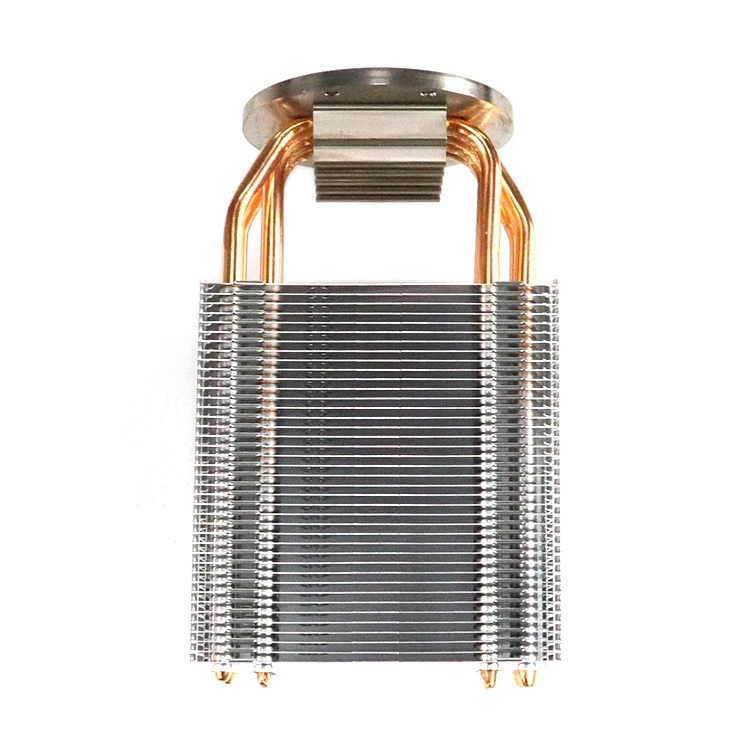
By ensuring accurate temperature control and efficient heat dissipation, regular calibration helps to extend the lifespan of the electronic components being cooled. Components that are kept at the optimal temperature are less likely to experience thermal stress, which can cause premature aging and failure. This is particularly important for semiconductor aluminum cooling module heatsinks, where the long - term reliability of the components is crucial. You can find more information about Semiconductor Aluminum Cooling Module Heatsink on our website.

2. Improved Energy Efficiency
A well - calibrated cooling plate operates more efficiently, using less energy to achieve the same level of heat dissipation. When the flow rate and temperature control are optimized, the pump and other components of the cooling system do not have to work as hard, resulting in lower energy consumption. This not only reduces operating costs but also has a positive impact on the environment.
3. Compliance with Industry Standards
In many industries, there are strict standards and regulations regarding the temperature control and performance of cooling systems. Regular calibration helps to ensure that the Versatile Water Cooling Plates meet these standards, avoiding potential legal issues and ensuring the quality and reliability of the products.
When is Calibration Necessary?
The frequency of calibration depends on several factors, including the application, the operating environment, and the manufacturer's recommendations. In general, for critical applications such as semiconductor manufacturing or high - power laser systems, calibration may be required more frequently, perhaps every few months. For less demanding applications, such as cooling circular base LED heat sinks, calibration once or twice a year may be sufficient. You can explore our Circular Base LED Heat Sink products on our website.
How to Calibrate a Versatile Water Cooling Plate
Calibration of a Versatile Water Cooling Plate typically involves the following steps:
1. Initial Inspection
Before starting the calibration process, a thorough inspection of the cooling plate is carried out to check for any visible signs of damage, leaks, or blockages. The water quality is also examined, and if necessary, the water is replaced or treated.
2. Measuring Parameters
Using specialized instruments, the temperature, flow rate, and pressure of the cooling plate are measured at different points in the system. These measurements are then compared with the manufacturer's specifications.
3. Adjustment
If any deviations are found, the necessary adjustments are made to the cooling plate's settings, such as adjusting the pump speed to change the flow rate or fine - tuning the temperature control system.
4. Verification
After the adjustments are made, the parameters are measured again to verify that the cooling plate is now operating within the specified range.
Conclusion
In conclusion, regular calibration of a Versatile Water Cooling Plate is indeed necessary for ensuring its optimal performance, extending the lifespan of the electronic components it cools, and maintaining energy efficiency. While the frequency of calibration may vary depending on the application, it is a crucial maintenance step that should not be overlooked.
If you are interested in our Versatile Water Cooling Plates or have any questions regarding calibration or other aspects of our products, we encourage you to contact us for a procurement discussion. Our team of experts is ready to assist you in finding the best cooling solutions for your specific needs.
References
- ASHRAE Handbook - HVAC Systems and Equipment. American Society of Heating, Refrigerating and Air - Conditioning Engineers.
- IEEE Standards for Electronic Cooling Systems. Institute of Electrical and Electronics Engineers.