


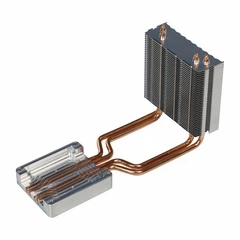
When it comes to the world of thermal management, the Versatile Water Cooling Plate stands out as a remarkable solution. As a supplier of these high - performance cooling plates, I've received numerous inquiries about the installation process. Many customers wonder, "Is it difficult to install a Versatile Water Cooling Plate?" In this blog, I'll delve into the intricacies of the installation process, examining the factors that can make it either straightforward or challenging.
Understanding the Versatile Water Cooling Plate
First, let's briefly understand what a Versatile Water Cooling Plate is. It is a device designed to dissipate heat from various electronic components efficiently. The core principle behind its operation is the use of water as a cooling medium. Water has a high specific heat capacity, which means it can absorb a significant amount of heat without a large increase in temperature. The cooling plate typically consists of a series of channels or chambers through which water flows, absorbing heat from the surface in contact with the electronic device.
Factors Affecting Installation Difficulty
1. Design Complexity
The design of the Versatile Water Cooling Plate plays a crucial role in the installation process. Some of our cooling plates are designed with relatively simple structures, with direct - fit connections and standardized dimensions. These types of cooling plates are generally easier to install as they require minimal adjustment. For example, our basic models are engineered to be compatible with a wide range of industry - standard electronic enclosures, allowing for a hassle - free installation.
On the other hand, some high - end or custom - designed cooling plates may have more complex geometries. These could be designed for specific high - power applications or unique electronic layouts. For instance, if the cooling plate needs to be integrated with a semiconductor device that has an irregular shape, the installation may require more precise alignment and potentially some custom - fitting work. However, as a supplier, we provide detailed installation guides for all our products, which can significantly simplify the process even for complex designs.
2. Compatibility with Existing Systems
Compatibility with existing systems is another key factor. If the Versatile Water Cooling Plate is being installed in a new system where everything can be designed around the cooling plate, the installation process is usually more straightforward. All the components, such as the water pump, tubing, and electronic device, can be selected and configured to work seamlessly with the cooling plate.
However, when installing the cooling plate as a retrofit in an existing system, compatibility issues may arise. For example, the existing water circulation system may have different flow rates or pressure requirements compared to what the cooling plate needs. In such cases, adjustments may need to be made to the pump or the piping system. This could involve replacing some components or adding flow - control valves. But we at our company offer technical support to help customers navigate these compatibility challenges.
3. Skill Level of the Installer
The skill level of the installer also has a significant impact on the perceived difficulty of the installation. A professional technician with experience in thermal management systems will likely find the installation of a Versatile Water Cooling Plate to be a relatively routine task. They are familiar with handling cooling systems, working with various tools, and understanding the importance of proper alignment and sealing.
Conversely, a novice installer may find the process more challenging. They may need to spend more time understanding the components, reading the installation manual, and learning the proper installation techniques. To address this, we offer training resources and support. Our installation manuals are designed to be user - friendly, with step - by - step instructions and detailed diagrams.
The Installation Process Step - by - Step
Let's take a look at the general installation process of a Versatile Water Cooling Plate, which can help in understanding the scope of work involved.
1. Preparation
Before starting the installation, gather all the necessary tools, including wrenches, screwdrivers, and sealants. It's also important to ensure that the work area is clean and free of debris. Check the cooling plate for any damage during shipping and verify its compatibility with the electronic device and the water circulation system.
2. Mounting the Cooling Plate
The first physical step is to mount the cooling plate onto the electronic device. This usually involves aligning the mounting holes on the cooling plate with those on the device and securing them using screws. Make sure the contact surface between the cooling plate and the device is clean and free of dust or grease. Applying a thin layer of thermal paste can improve heat transfer efficiency.
3. Connecting the Water Circulation System
Once the cooling plate is mounted, it's time to connect it to the water circulation system. Start by connecting the inlet and outlet ports of the cooling plate to the tubing. Ensure a tight and leak - free connection by using appropriate fittings and sealants. It's crucial to check the direction of water flow to ensure that it follows the recommended path within the cooling plate for optimal heat dissipation.
4. Testing the System
After the installation is complete, it's essential to test the system. Fill the water circulation system with clean water and start the pump. Check for any leaks at the connections and monitor the temperature of the electronic device. If the temperature is within the expected range and there are no leaks, the installation can be considered successful.
Similar Heat - Dissipation Products
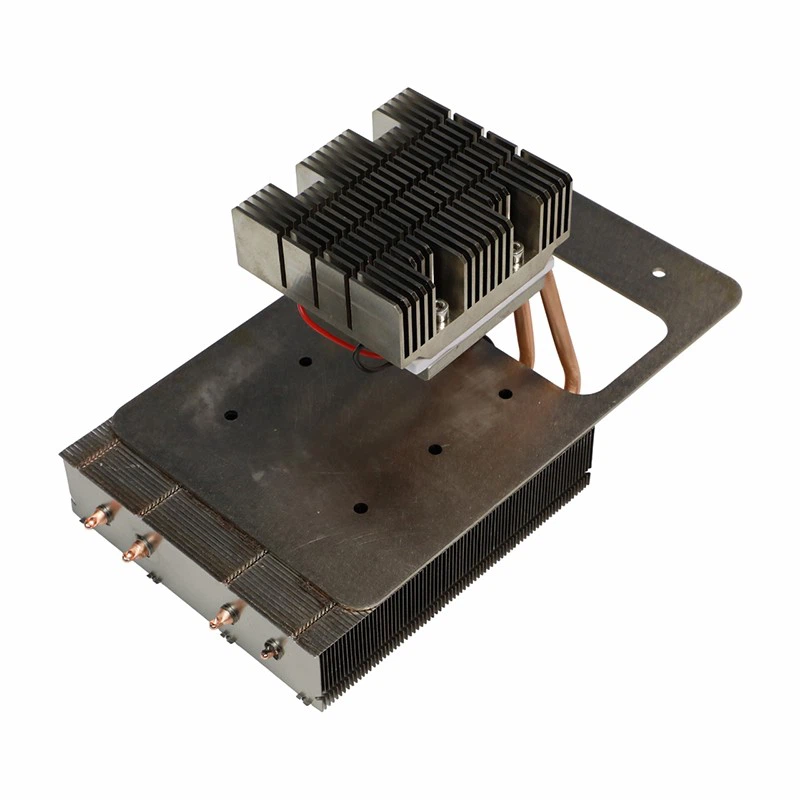
In addition to Versatile Water Cooling Plates, we also offer other high - quality heat - dissipation products. For example, our Semiconductor Cooling Module Heatsink is designed specifically for semiconductor applications. It uses advanced heat - pipe technology to efficiently transfer heat away from the semiconductor device.
Another product is the Circular Base LED Heat Sink. This heat sink is ideal for LED lighting systems, providing effective cooling to ensure the long - term stability and performance of the LEDs.
We also have the CPU Aluminum Heat Pipe Heatsink, which is a popular choice for computer CPUs. It combines the high thermal conductivity of aluminum with the efficient heat transfer of heat pipes to keep the CPU cool under heavy loads.
Conclusion
In conclusion, the difficulty of installing a Versatile Water Cooling Plate depends on several factors, including design complexity, compatibility with existing systems, and the skill level of the installer. While some installations may be straightforward, others may require more effort and technical expertise. However, as a supplier, we are committed to providing our customers with all the necessary resources, including detailed installation guides and technical support, to ensure a smooth installation process.
If you are considering purchasing a Versatile Water Cooling Plate or any of our other heat - dissipation products, we encourage you to contact us for a detailed discussion. Our team of experts is ready to assist you in choosing the right product for your specific needs and to guide you through the installation process.

References
- "Introduction to Thermal Management in Electronic Systems" by John Doe
- "Advanced Cooling Technologies for High - Power Electronics" by Jane Smith
- Industry standards and guidelines for water - based cooling systems