


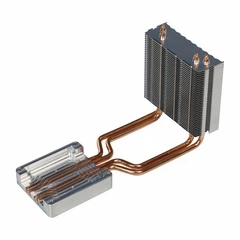
Hey there! As an aluminum radiator supplier, I've seen firsthand how the surface finish of these radiators can have a huge impact on both their appearance and performance. In this blog post, I'm gonna break down the different types of surface finishes available for aluminum radiators and how they can affect your radiator's look and function.
Types of Surface Finishes
There are several types of surface finishes that can be applied to aluminum radiators, each with its own unique characteristics. Let's take a look at some of the most common ones:
-
Anodizing: Anodizing is a popular surface finish for aluminum radiators. It involves creating a protective oxide layer on the surface of the aluminum through an electrochemical process. This layer not only enhances the radiator's corrosion resistance but also gives it a sleek, durable finish. Anodized radiators come in a variety of colors, so you can choose one that matches your aesthetic preferences. Check out our Combination Water Cooling Radiator, which often features an anodized finish for both style and performance.


-
Powder Coating: Powder coating is another common surface finish option. It involves applying a dry powder to the radiator's surface and then baking it in an oven to create a hard, protective coating. Powder-coated radiators are available in a wide range of colors and finishes, from glossy to matte. This finish is great for hiding imperfections and providing additional protection against scratches and chips. Our Controllable Power Water Cooling Plate can be powder-coated to suit your specific needs.
-
Polishing: Polishing gives the aluminum radiator a smooth, shiny surface. It's a more labor-intensive process but can result in a high-end, mirror-like finish. Polished radiators look great in applications where aesthetics are a priority, such as in high-performance vehicles or high-end electronics. However, they may require more maintenance to keep their shine. Our Black Skived Toothed Heat Sink can be polished for a sleek appearance.
-
Brushing: Brushing creates a textured finish on the aluminum surface. It gives the radiator a more industrial or rustic look and can help to hide fingerprints and minor scratches. Brushed finishes are often used in applications where a more subdued or utilitarian appearance is desired.
Impact on Appearance
The surface finish of an aluminum radiator plays a crucial role in its overall appearance. A high-quality finish can make the radiator look more professional, modern, and appealing. Here's how different finishes can enhance the look of your radiator:
-
Color and Style: As mentioned earlier, anodizing and powder coating offer a wide range of color options. You can choose a color that complements the surrounding environment or matches the branding of your product. For example, if you're using the radiator in a high-tech device, a sleek black or silver finish might be a great choice. On the other hand, if you're going for a more vibrant look, you could opt for a bright color like red or blue.
-
Texture and Finish: The texture of the surface finish can also have a big impact on the radiator's appearance. A polished finish gives a smooth, reflective surface that looks elegant and high-end. In contrast, a brushed finish provides a more tactile and industrial look. The choice of texture depends on the style you're trying to achieve.
Impact on Performance
In addition to appearance, the surface finish of an aluminum radiator can also affect its performance. Here are some ways in which the finish can impact the radiator's functionality:
-
Corrosion Resistance: Anodizing and powder coating create a protective layer on the surface of the aluminum, which helps to prevent corrosion. Corrosion can reduce the efficiency of the radiator over time and even lead to leaks. By choosing a radiator with a corrosion-resistant finish, you can ensure that it will last longer and perform better in harsh environments.
-
Heat Transfer: The surface finish can also affect the radiator's heat transfer capabilities. A smooth, polished surface can provide better heat transfer than a rough or textured surface. This is because a smooth surface allows for better contact between the radiator and the surrounding air or coolant, which improves the transfer of heat. However, in some cases, a textured finish can increase the surface area of the radiator, which can also enhance heat transfer.
-
Dust and Dirt Resistance: A smooth finish is generally easier to clean than a textured finish. Dust and dirt are less likely to stick to a polished or anodized surface, which means that the radiator will stay cleaner and more efficient for longer. This is especially important in applications where the radiator is exposed to a lot of dust or debris.
Choosing the Right Surface Finish
When choosing a surface finish for your aluminum radiator, you need to consider both the appearance and performance requirements of your application. Here are some factors to keep in mind:
-
Environment: If the radiator will be used in a harsh environment, such as outdoors or in a chemical plant, you'll need a finish that provides good corrosion resistance. Anodizing or powder coating would be a good choice in these cases.
-
Aesthetic Preferences: If appearance is a major factor, you can choose a finish based on the color, texture, and style you prefer. Consider the overall look of the product or system in which the radiator will be used and choose a finish that complements it.
-
Performance Requirements: Think about the heat transfer requirements of your application. If you need maximum heat transfer, a smooth finish might be the best option. However, if you're willing to sacrifice a little heat transfer for better dust and dirt resistance, a textured finish could be a good compromise.
Conclusion
In conclusion, the surface finish of an aluminum radiator is an important factor that can significantly affect both its appearance and performance. Whether you're looking for a radiator that looks great or one that performs well in a challenging environment, there's a surface finish option available to meet your needs. As an aluminum radiator supplier, we offer a wide range of radiators with different surface finishes to suit various applications.
If you're interested in learning more about our aluminum radiators or would like to discuss your specific requirements, we'd love to hear from you. Feel free to reach out to us to start a conversation about your radiator needs and explore the best options for your project.
References
- ASM Handbook, Volume 5: Surface Engineering. ASM International.
- Aluminum Association. "Anodizing of Aluminum."