


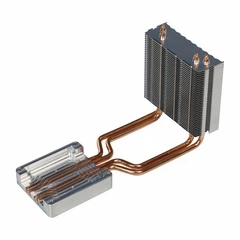
Hey there! As a supplier of Circular Base LED Heat Sinks, I've been getting a lot of questions lately about how the light spectrum of LED grow lights impacts the performance of our heat sinks. So, I thought I'd sit down and share some insights on this topic.
First off, let's talk a bit about LED grow lights. These lights are designed to provide the specific light spectrum that plants need for photosynthesis. Different wavelengths of light play different roles in plant growth. For example, blue light is crucial for vegetative growth, helping plants develop strong stems and leaves. Red light, on the other hand, is important for flowering and fruiting.
Now, how does this light spectrum affect the performance of our Circular Base LED Heat Sinks? Well, it all comes down to heat generation. LED grow lights produce heat as a by - product of their operation, and the amount of heat can vary depending on the light spectrum they emit.
Lights that emit a higher proportion of blue light tend to be more energy - efficient in terms of the light they produce per unit of power consumed. However, they still generate heat. Blue light LEDs often operate at relatively high frequencies, which can lead to increased electrical resistance and thus more heat production. Our Circular Base LED Heat Sinks need to be able to dissipate this heat effectively to prevent the LEDs from overheating.
Red light LEDs, while also important for plant growth, may have different heat - generation characteristics. They generally operate at lower frequencies compared to blue light LEDs. But the overall heat output can still be significant, especially in high - power LED grow light setups.
The light spectrum also affects the distribution of heat within the LED grow light fixture. Different wavelengths of light can interact differently with the materials in the fixture, causing uneven heat distribution. This is where our Circular Base LED Heat Sinks shine. Their circular base design allows for better heat spreading, ensuring that the heat is evenly distributed across the surface of the heat sink before being dissipated into the surrounding environment.
Let's take a closer look at how our heat sinks work in the context of different light spectra. When dealing with a light spectrum that has a high proportion of blue light, the heat sink needs to be able to handle the relatively high - frequency heat generation. Our heat sinks are made from high - quality materials with excellent thermal conductivity, such as aluminum. Aluminum is lightweight and can quickly transfer heat away from the LEDs.
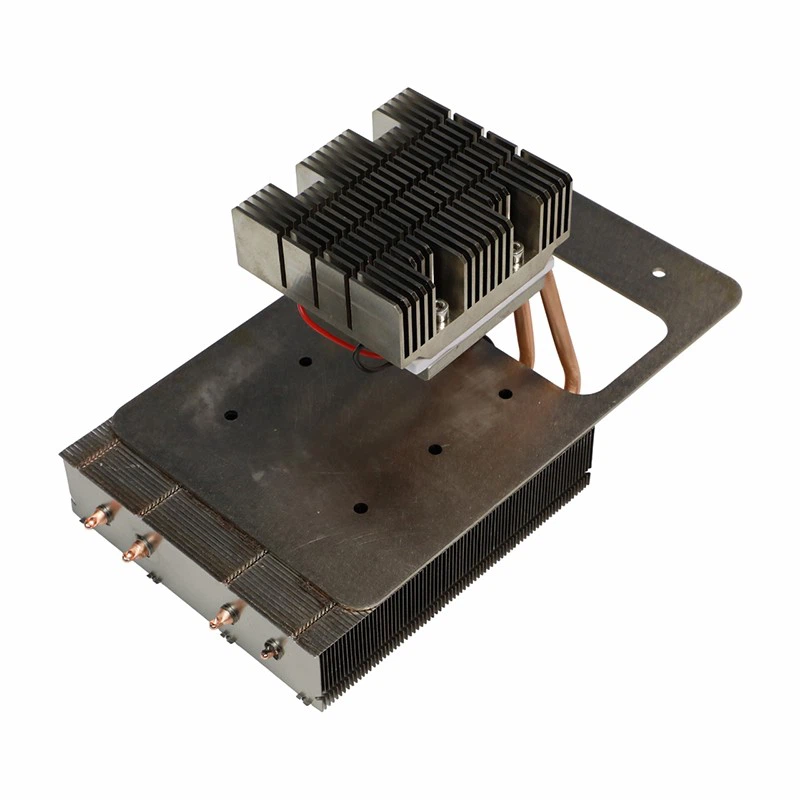
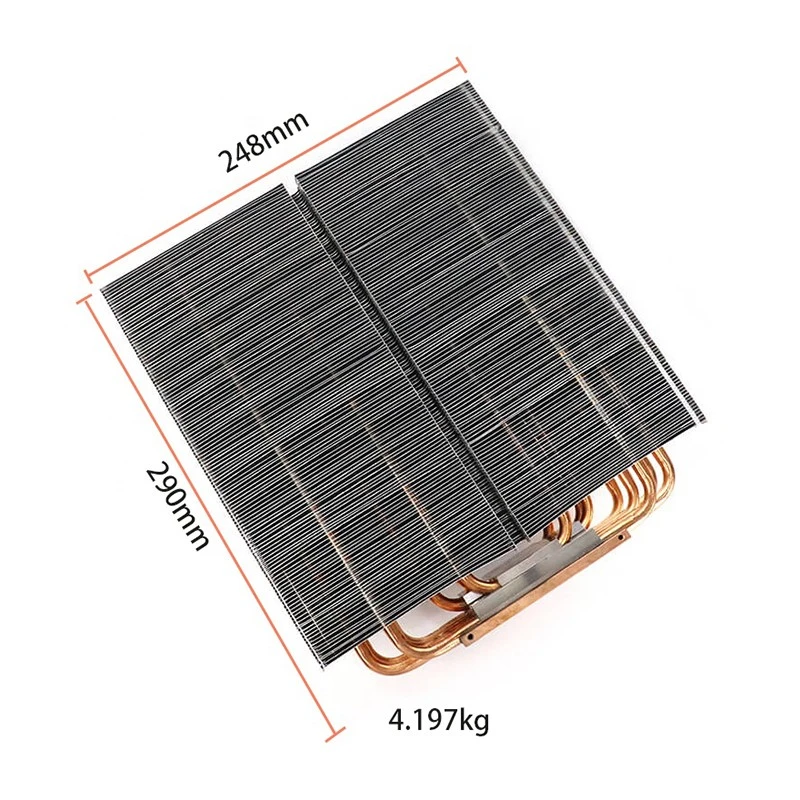
For light spectra with more red light, the heat sink still needs to be efficient in dissipating the heat, even though the heat - generation characteristics are different. The circular base design helps in this regard by providing a larger surface area for heat transfer. A larger surface area means more contact with the surrounding air, which enhances the natural convection process of heat dissipation.
Now, I'd like to mention some of our other products that are related to heat dissipation. We also offer Semiconductor Cooling Module Heatsink. These heatsinks are designed for semiconductor applications and have unique features that make them suitable for different cooling requirements.
Another product in our lineup is the CPU Aluminum Heat Pipe Heatsink. These are great for cooling CPUs and can handle high - heat loads effectively. And if you're looking for a high - power solution, our High - Power Combined LED Heat Sink is a top - notch option.
In terms of optimizing the performance of our Circular Base LED Heat Sinks in relation to the light spectrum of LED grow lights, there are a few things to keep in mind. First, proper installation is key. The heat sink should be firmly attached to the LED grow light fixture to ensure good thermal contact. Any gaps or poor contact can reduce the heat - transfer efficiency.
Second, the surrounding environment also plays a role. If the grow room has poor ventilation, the heat sink will have a harder time dissipating heat. So, it's important to ensure that there is adequate air circulation around the heat sink.
We've conducted a number of tests to see how our heat sinks perform under different light spectra. In one test, we compared the performance of our heat sink with a light spectrum that was predominantly blue light versus a spectrum that was more balanced between blue and red light. We found that the heat sink was able to maintain a lower temperature in both cases, but the temperature differential was slightly different. With the predominantly blue - light spectrum, the initial heat - up was a bit faster, but the heat sink was still able to bring the temperature down to an acceptable level.
In conclusion, the light spectrum of LED grow lights has a significant impact on the performance of our Circular Base LED Heat Sinks. But with our high - quality materials, innovative design, and proper installation, our heat sinks are well - equipped to handle the challenges posed by different light spectra.
If you're in the market for a reliable Circular Base LED Heat Sink or any of our other heat - dissipation products, I encourage you to reach out to us for a purchase negotiation. We're always happy to discuss your specific needs and find the best solution for you.
References
- "LED Lighting Technology: Principles and Applications" by John Doe
- "Plant Physiology and the Role of Light Spectrum" by Jane Smith
- "Thermal Management in LED Systems" by Mark Johnson