


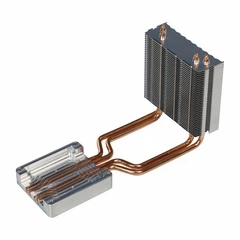
Hey there! I'm a supplier of water - cooled plate assemblies, and today I want to have a chat with you about whether water - cooled plate assemblies need a filter.
First off, let's understand what water - cooled plate assemblies are. These are key components in a lot of cooling systems. They work by circulating water through a plate structure to absorb and transfer heat away from the source. You can find them in various applications, like in cars, home appliances, and communication equipment. For example, the Aluminum Heat Pipe Communication Module Heatsink uses water - cooled plate technology to keep the communication modules cool and functioning properly.
Now, the big question: Do they need a filter? Well, it depends on a few factors.
Let's start with the water quality. If the water you're using in the cooling system is clean and free from contaminants, you might think you don't need a filter. But in reality, even the purest - looking water can have tiny particles that over time can cause problems. These particles can be things like minerals, rust, or even microorganisms. When these particles flow through the water - cooled plate assemblies, they can start to build up. This buildup can clog the narrow channels inside the plates, reducing the water flow and thus the cooling efficiency. For instance, in a Cavity - type Energy Storage Battery Water Cooling Plate, any blockage in the channels can lead to uneven cooling of the battery, which can affect its performance and lifespan.
Another factor is the environment in which the water - cooled plate assemblies are operating. If the system is in a dirty or dusty environment, there's a higher chance that contaminants will get into the water. Industrial settings, for example, often have a lot of airborne particles. These particles can find their way into the water reservoir and then into the cooling system. Without a filter, these particles can cause abrasion inside the plates, wearing down the surfaces and potentially leading to leaks. In an Automotive Controller Water Cooling Plate, a leak can be a serious issue as it can damage the controller and other nearby components.
Now, let's talk about the benefits of using a filter. A filter can act as a safeguard for your water - cooled plate assemblies. It traps the contaminants before they reach the plates, ensuring a clean and smooth water flow. This not only maintains the cooling efficiency but also extends the lifespan of the assemblies. You won't have to worry about frequent maintenance due to clogs or abrasion. It also helps in reducing the overall operating costs because you'll have fewer breakdowns and replacements.
However, there are also some downsides to using a filter. Filters need to be replaced regularly. Depending on the type of filter and the level of contamination, this could be every few months or even more frequently. And the cost of filters and the labor for replacement can add up over time. Also, if the filter is not installed correctly or if it's of poor quality, it might not work effectively, and it could even cause additional restrictions in the water flow.
So, what's the verdict? In most cases, I'd say it's a good idea to use a filter with water - cooled plate assemblies. The long - term benefits of protecting your equipment and maintaining its performance usually outweigh the costs and hassles of filter maintenance. But if you're in a situation where the water quality is extremely high and the environment is very clean, you might be able to get away without one. However, it's still a risk, and you should closely monitor the system for any signs of contamination or reduced performance.


If you're in the market for water - cooled plate assemblies or have questions about filters and their use, I'd love to have a chat with you. We can discuss your specific needs and figure out the best solution for your cooling system. Whether you're dealing with a small home appliance or a large industrial setup, we've got the expertise to help you make the right choice.
Let's work together to ensure your cooling systems run smoothly and efficiently. Reach out to us for more information and to start a procurement discussion.
References
- General knowledge of water - cooled systems and filtration technology
- Industry experience in supplying water - cooled plate assemblies