


Hey there! As a supplier of automotive water drainers, I've seen my fair share of issues with these crucial components. A leaking automotive water drainer can be a real pain in the neck, but don't worry – I'm here to walk you through how to troubleshoot it.


First Things First: Identify the Signs of a Leak
Before you start digging into the troubleshooting process, you need to make sure that your water drainer is actually leaking. There are a few tell - tale signs to look out for.
One of the most obvious signs is water pooling under your car. If you notice a puddle of coolant or water forming under your vehicle after it's been parked for a while, that's a pretty good indication that there's a leak somewhere. You might also see steam coming from under the hood, which could mean that coolant is leaking onto a hot engine component.
Another sign is a low coolant level. Check your coolant reservoir regularly. If you find that you're constantly having to top it up, there's a good chance that there's a leak in the system. And if you notice a sweet smell coming from your car, that could be coolant vapor, which is another sign of a leak.
Step 1: Inspect the Drainer Visually
Once you've confirmed that there's a leak, the first step is to take a good look at the water drainer itself. Start by opening the hood of your car and locating the water drainer. It's usually near the radiator or the engine block.
Look for any obvious signs of damage, like cracks or holes in the drainer. Sometimes, these can be caused by physical impact, like hitting a rock on the road. You should also check the connections. Make sure that all the hoses are properly attached to the drainer. Loose connections can often lead to leaks.
If you see any signs of corrosion on the drainer, that could also be a problem. Corrosion can weaken the metal and cause it to develop small holes over time. In some cases, you might even see coolant dripping from a specific spot on the drainer, which can give you a clear indication of where the leak is coming from.
Step 2: Pressure Test the System
If you can't find any obvious signs of damage during the visual inspection, the next step is to perform a pressure test on the cooling system. You can buy a pressure tester at most auto parts stores.
To do the test, first, make sure that the engine is cool. Then, remove the radiator cap and attach the pressure tester to the radiator. Pump the tester up to the pressure specified in your car's owner's manual. Usually, this is around 14 - 16 psi.
Once the system is pressurized, watch the pressure gauge. If the pressure drops quickly, that means there's a leak somewhere in the system. You can then start looking more closely at the water drainer and the surrounding components.
While you're doing the pressure test, you can also listen for any hissing sounds. This could indicate a leak from a small hole or a loose connection. And if you see any coolant starting to seep out from a particular area, you've found the source of the leak.
Step 3: Check the Seals and Gaskets
If the drainer itself looks okay and the pressure test doesn't give you a clear answer, the next thing to check are the seals and gaskets. These are the rubber or silicone components that create a tight seal between different parts of the cooling system.
Over time, seals and gaskets can wear out or become damaged. Check the seals around the drainer connections. If they're cracked, torn, or worn, they'll need to be replaced. You can usually buy replacement seals and gaskets at an auto parts store.
Replacing a seal or gasket is usually a fairly straightforward process. Just make sure to clean the surfaces where the new seal will be installed before putting it in place. This will help ensure a good seal and prevent future leaks.
Step 4: Consider the Quality of the Drainer
Sometimes, the problem could be with the quality of the water drainer itself. If you've had your car for a while and the drainer is an original part, it might just be reaching the end of its lifespan.
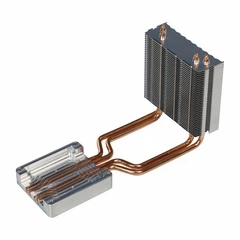
As a supplier of automotive water drainers, I can tell you that using a high - quality drainer is really important. We offer a range of top - notch water drainers that are designed to be durable and reliable. For example, our Aluminum Heat Pipe Communication Module Heatsink is made from high - grade aluminum, which is resistant to corrosion and can withstand high temperatures.
If you've been using a cheap or low - quality drainer, it might be worth upgrading to a better one. A good quality drainer will be less likely to develop leaks and will last longer, saving you money in the long run.
Step 5: Consult a Professional
If you've gone through all these steps and you still can't find the source of the leak, or if you're not comfortable doing the troubleshooting yourself, it's time to consult a professional mechanic. They have the tools and expertise to diagnose and fix the problem quickly.
A mechanic can use more advanced diagnostic equipment, like a thermal imaging camera, to locate the leak. They can also perform more in - depth repairs, like welding a cracked drainer or replacing a major component of the cooling system.
Step 6: Replace the Drainer if Necessary
If you've determined that the water drainer is the source of the leak and it can't be repaired, you'll need to replace it. When choosing a new drainer, make sure to get one that's compatible with your car's make and model.
Our company offers a wide range of automotive water drainers, as well as other related products like the Cavity - type Energy Storage Battery Water Cooling Plate and the Lightweight Automotive Controller Water Cooling Plate. These products are designed to meet the highest standards of quality and performance.
Replacing the drainer can be a bit of a tricky job, especially if you're not experienced with car repairs. But if you have some basic mechanical skills and the right tools, you can usually do it yourself. Just make sure to follow the instructions in your car's repair manual carefully.
Conclusion
Troubleshooting a leaking automotive water drainer can be a bit of a hassle, but it's definitely doable. By following these steps, you should be able to identify and fix the problem. And if you're in the market for a new water drainer or other automotive cooling components, we're here to help.
We're a leading supplier of automotive water drainers and related products, and we're committed to providing our customers with the best quality products at competitive prices. If you're interested in learning more about our products or have any questions, don't hesitate to get in touch with us. We'd love to discuss your needs and help you find the right solutions for your automotive cooling system.
References
- General automotive repair manuals
- Online automotive forums
- Manufacturer's specifications for automotive cooling systems