


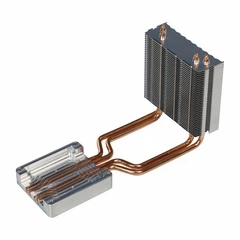
A damaged heater core can indeed cause coolant to enter the cabin from cooling system components. As a reputable supplier of cooling system components, I have witnessed firsthand the consequences of a malfunctioning heater core and its impact on vehicle occupants. In this blog post, I will delve into the science behind this issue, explore the potential causes and symptoms, and discuss the importance of timely maintenance and replacement.
Understanding the Heater Core
The heater core is a crucial component of a vehicle's heating and cooling system. It is essentially a small radiator located inside the dashboard. Its primary function is to transfer heat from the engine coolant to the cabin, providing warmth during cold weather. The coolant flows through the heater core, and a fan blows air over the core, heating the air before it is circulated into the cabin.
How a Damaged Heater Core Allows Coolant to Enter the Cabin
When the heater core becomes damaged, it can develop leaks or cracks. These openings allow coolant to escape from the core and seep into the cabin. There are several reasons why a heater core may become damaged:
- Corrosion: Over time, the coolant can cause corrosion within the heater core. This is especially true if the coolant is not changed regularly or if the wrong type of coolant is used. Corrosion weakens the walls of the heater core, making it more prone to leaks.
- Physical Damage: The heater core can also be damaged by physical impact. For example, if the vehicle is involved in an accident or if there is debris in the engine compartment that hits the heater core, it can cause cracks or holes.
- Clogging: A clogged heater core can lead to increased pressure within the core. This excessive pressure can cause the core to rupture, allowing coolant to leak into the cabin.
Symptoms of a Damaged Heater Core
There are several telltale signs that indicate a damaged heater core:
- Sweet Smell: Coolant has a sweet odor. If you notice a sweet smell inside the cabin, it could be a sign that coolant is leaking from the heater core.
- Foggy Windows: Coolant leaking into the cabin can cause the windows to fog up. This is because the moisture from the coolant condenses on the cold glass surfaces.
- Poor Heating: A damaged heater core may not be able to transfer heat effectively, resulting in poor heating performance. You may notice that the cabin takes longer to warm up or that the air blowing from the vents is not as hot as it should be.
- Coolant Loss: If you notice that the coolant level in the reservoir is consistently low, it could be due to a leak in the heater core.
The Importance of Timely Maintenance and Replacement
If you suspect that your heater core is damaged, it is important to address the issue as soon as possible. Ignoring a damaged heater core can lead to several problems:
- Health Risks: Coolant contains toxic chemicals such as ethylene glycol. Inhaling the fumes from a leaking heater core can be harmful to your health, especially if you are exposed to them for an extended period.
- Engine Damage: A damaged heater core can cause the engine to overheat. This is because the coolant is not being circulated properly, and the engine is not being cooled effectively. Overheating can lead to serious engine damage, which can be costly to repair.
- Electrical Issues: Coolant leaking into the cabin can also damage the electrical components in the dashboard. This can cause problems with the vehicle's lighting, radio, and other electronic systems.
Our Cooling System Components
As a supplier of cooling system components, we offer a wide range of high-quality products to meet the needs of our customers. Our Aluminum Heat Pipe Communication Module Heatsink is designed to provide efficient heat dissipation for communication modules. It is made of high-quality aluminum, which offers excellent thermal conductivity and durability.
Our Automotive Controller Water Cooling Plate is specifically designed for automotive controllers. It helps to maintain the optimal temperature of the controller, ensuring its reliable operation. The water cooling plate is made of lightweight aluminum and features a compact design, making it easy to install.
We also offer the Cavity-type Energy Storage Battery Water Cooling Plate, which is designed for energy storage batteries. It helps to regulate the temperature of the battery, extending its lifespan and improving its performance. The water cooling plate is made of high-quality aluminum and features a unique cavity design, which provides efficient heat transfer.


Contact Us for Procurement and Negotiation
If you are interested in our cooling system components or have any questions about heater core damage and coolant leaks, please feel free to contact us. We are committed to providing our customers with the best products and services. Our team of experts is available to assist you with your procurement needs and to answer any questions you may have.
References
- Automotive Cooling System Handbook. SAE International.
- Cooling System Components: Design, Testing, and Maintenance. ASME Press.
- The Fundamentals of Vehicle Heating and Cooling Systems. Society of Automotive Engineers.