


Hey there! As a supplier of Aluminum Finned Heat Sinks, I often get asked about the environmental impacts associated with these nifty little devices. So, I thought I'd take a deep dive into the topic and share what I've learned.
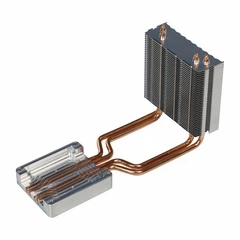
First off, let's talk about what aluminum finned heat sinks are. They're basically heat exchangers that use aluminum fins to increase the surface area for heat transfer. This makes them super efficient at cooling things down, like electronic components in computers, cars, and industrial equipment. But with all the benefits they offer, it's important to consider the environmental side of things.
Mining and Extraction of Aluminum
The first step in the lifecycle of an aluminum finned heat sink is the mining and extraction of aluminum. Aluminum comes from bauxite ore, which is typically mined in large open-pit mines. This process can have a significant impact on the environment. For starters, it requires a lot of energy. Extracting aluminum from bauxite involves a complex series of chemical processes, and these processes guzzle up electricity. In fact, aluminum production is one of the most energy-intensive industries out there.
Another environmental concern related to mining is habitat destruction. Open-pit mines can destroy large areas of natural habitat, displacing wildlife and disrupting ecosystems. There's also the issue of water pollution. The mining process can release heavy metals and other contaminants into nearby water sources, which can have a detrimental effect on aquatic life and human health.
Manufacturing Process
Once the aluminum is extracted, it needs to be processed into the fins and other components of the heat sink. The manufacturing process also has its own set of environmental impacts. One of the main issues is the use of chemicals. During the manufacturing process, various chemicals are used for things like etching, anodizing, and coating the aluminum. These chemicals can be toxic and can pose a risk to workers' health if not handled properly.
In addition, the manufacturing process generates a fair amount of waste. There are scrap pieces of aluminum that are produced during cutting and shaping, and there are also waste chemicals and solvents. If these wastes aren't managed correctly, they can end up in landfills or be released into the environment.
Energy Efficiency and Environmental Benefits
Now, it's not all doom and gloom. Aluminum finned heat sinks also have some environmental benefits, especially when it comes to energy efficiency. These heat sinks are designed to transfer heat quickly and effectively, which means that the devices they're cooling don't have to work as hard. For example, in a computer, a good heat sink can keep the CPU running at a lower temperature, which reduces the amount of energy the CPU needs to consume.
Over time, this energy savings can add up. By using aluminum finned heat sinks, we can reduce the overall energy consumption of electronic devices, which in turn helps to lower greenhouse gas emissions. And since aluminum is a highly recyclable material, heat sinks can be recycled at the end of their life. Recycling aluminum uses only about 5% of the energy required to produce new aluminum from bauxite, so it's a much more energy-efficient option.
Product Examples and Their Impact
Let's take a look at some of the products we offer and how they fit into the environmental picture. We have the Air-Cooled Laser Module Heatsink. This heat sink is designed to cool laser modules, which are used in a variety of applications, from medical equipment to industrial manufacturing. By efficiently cooling the laser module, it helps to improve the performance and longevity of the device, while also reducing energy consumption.
Then there's the All Aluminum Stacked Radiator. This radiator is great for high-power applications, like power electronics. Its stacked design provides a large surface area for heat transfer, which means it can cool the components effectively. And since it's made entirely of aluminum, it's highly recyclable.
We also offer the Controllable Power Water Cooling Plate. This cooling plate is used in applications where precise temperature control is required. It uses water as a coolant, which is a more environmentally friendly option compared to some other coolants. And again, the aluminum construction makes it recyclable.
End-of-Life and Recycling
As I mentioned earlier, one of the big advantages of aluminum finned heat sinks is their recyclability. At the end of their useful life, these heat sinks can be collected and recycled. Recycling aluminum is a relatively straightforward process. The heat sinks are melted down, and the aluminum is purified and reused to make new products.


By promoting the recycling of our heat sinks, we can help to reduce the demand for new aluminum production. This not only saves energy but also reduces the environmental impact associated with mining and extraction. We encourage our customers to recycle their old heat sinks and work with recycling facilities to ensure that the process is as efficient and environmentally friendly as possible.
Conclusion and Call to Action
So, are there any environmental impacts associated with aluminum finned heat sinks? The answer is yes, but it's a mixed bag. There are definitely some negative impacts related to mining, extraction, and manufacturing. However, there are also significant environmental benefits, especially in terms of energy efficiency and recyclability.
As a supplier, we're committed to minimizing the environmental impact of our products. We're constantly looking for ways to improve our manufacturing processes, reduce waste, and increase the recyclability of our heat sinks. We also work with our customers to educate them about the environmental benefits of using our products and the importance of recycling.
If you're in the market for high-quality aluminum finned heat sinks and are concerned about the environment, we'd love to hear from you. Whether you're a manufacturer looking to cool your electronic components or an engineer working on a new project, we have the products and expertise to meet your needs. Let's work together to find the most environmentally friendly cooling solutions for your applications.
References
- "Aluminum Production and the Environment." International Aluminium Institute.
- "Recycling Aluminum: Benefits and Processes." Environmental Protection Agency.
- "Energy Efficiency in Heat Sink Design." Journal of Thermal Management in Electronics.