


Hey there, car enthusiasts! I'm [Your Name], and I work for a lightweight car cooling system supplier. Today, I want to dig into a question I get a lot: Can a lightweight car cooling system be retrofitted to an older car?
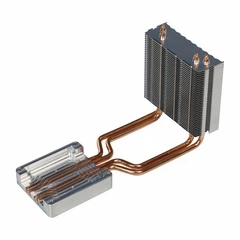
Let's start by understanding what a lightweight car cooling system is. These systems are designed to be more efficient and less bulky than traditional cooling set - ups. They often use advanced materials like aluminum and have innovative designs that help dissipate heat more effectively. For example, we offer products such as the Automobile Car Drainage Raditor, which is not only lightweight but also does a great job at keeping your engine cool.
Now, when it comes to older cars, the first thing we need to consider is compatibility. Older cars were built with different specifications and technologies compared to modern ones. Their engines might have different heat output levels, and the space under the hood could be quite different too. But that doesn't mean it's impossible to retrofit a lightweight cooling system.
One of the main advantages of retrofitting a lightweight cooling system in an older car is improved efficiency. Older cooling systems can sometimes be heavy and not as efficient at transferring heat. A lightweight system can reduce the overall weight of the car, which in turn can lead to better fuel economy. Imagine saving some bucks on gas while also keeping your engine in top shape!
Another benefit is reliability. Over time, the components of an older cooling system can wear out. Hoses can crack, radiators can corrode, and water pumps can fail. By installing a new, lightweight cooling system, you're essentially giving your car a new lease on life. Our Cavity - type Energy Storage Battery Water Cooling Plate is a high - quality component that can ensure better cooling for your battery and other vital parts.


But, as I said earlier, compatibility is key. You need to take a good look at your car's engine and its existing cooling system. Check the dimensions of the radiator, the size of the hoses, and the location of the water pump. You might need to make some modifications to the mounting brackets or even the hoses to fit the new system properly.
It's also important to consider the cost. Retrofitting a lightweight cooling system can be a bit pricey. You're not only paying for the parts but also for the labor if you're not doing the installation yourself. However, when you think about the long - term benefits, such as reduced maintenance costs and better fuel efficiency, it might be worth the investment.
Let's talk about the installation process. If you're a DIY kind of person, you can definitely take on the challenge. But make sure you have the right tools and a good understanding of your car's cooling system. If you're not confident, it's always a good idea to take your car to a professional mechanic. They have the experience and the know - how to install the system correctly.
During the installation, you'll need to drain the old coolant from the system. This is an important step as you don't want any old coolant mixing with the new one. Once the old coolant is out, you can start removing the old radiator, hoses, and other components. When installing the new lightweight system, pay close attention to the instructions. Make sure all the connections are tight and there are no leaks.
Now, let's get into some specific considerations for different types of older cars. If you have a classic car, you might be more concerned about maintaining its original look. In this case, you can look for a lightweight cooling system that is designed to be as unobtrusive as possible. Our Lightweight Automotive Controller Water Cooling Plate is a sleek and compact option that can fit well in many older cars without sacrificing style.
On the other hand, if you have an older performance car, you might be looking for a cooling system that can handle the high heat output of a more powerful engine. In this case, you'll need to choose a system that has a higher cooling capacity.
In conclusion, yes, a lightweight car cooling system can be retrofitted to an older car. It might require some careful planning, compatibility checks, and possibly some modifications, but the benefits are definitely worth considering. Whether you're looking to improve fuel efficiency, reliability, or just give your old car a performance boost, a lightweight cooling system could be the way to go.
If you're interested in learning more about our lightweight car cooling systems or want to discuss a possible retrofit for your older car, don't hesitate to reach out. We're here to help you make the best decision for your vehicle.
References
- Automotive Cooling System Basics, Car Maintenance Guide
- Lightweight Materials in Automotive Cooling Systems, Journal of Automotive Engineering