


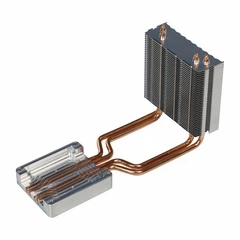
Retrofitting an older car with an aluminum automotive radiator can bring a bunch of benefits, like better heat dissipation, lighter weight, and longer lifespan. But, it's not as simple as just swapping out the old radiator for a new one. There are several modifications and considerations you need to take into account. As an aluminum automotive radiator supplier, I've got the lowdown on what it takes to make this retrofit work smoothly.
Compatibility Checks
First things first, you gotta check if the new aluminum radiator is compatible with your older car. This means looking at the physical dimensions, the mounting points, and the hose connections. Older cars often have unique radiator designs, so a one - size - fits - all approach won't cut it.
Measure the space where the old radiator sits. You need to make sure the new aluminum radiator will fit snugly without any major alterations to the engine bay. Check the mounting holes on the radiator and compare them with the ones in your car. Sometimes, you might need to drill new holes or use adapters to get the radiator properly secured.
The hose connections are also crucial. The diameter and the type of connections on the new radiator should match those on your car's engine and coolant system. If they don't, you'll need to get custom hoses made or use hose adapters. You can find a wide range of radiator options, like the Automobile Car Drainage Raditor, which might have different connection types, so it's important to pick the right one for your car.


Cooling System Upgrades
Once you've sorted out the compatibility, it's time to think about upgrading the rest of the cooling system. An aluminum radiator can dissipate heat more efficiently than an old - style copper or brass radiator, but it needs a good - functioning cooling system to work at its best.
The water pump is a key component. An older car might have a water pump that's not up to the task of circulating coolant through the new, more efficient radiator. You might need to upgrade to a high - flow water pump. This will ensure that coolant is flowing through the radiator at the right speed, helping to keep the engine at the optimal temperature.
The thermostat is another part that might need attention. A malfunctioning thermostat can cause the engine to run too hot or too cold. It's a good idea to replace the old thermostat with a new one that's compatible with the new radiator and your car's engine. This will help regulate the coolant flow and keep the engine temperature stable.
You might also want to consider upgrading the radiator fan. An efficient fan can draw more air through the radiator, especially when the car is idling or moving at low speeds. There are different types of fans available, including electric fans, which can be more reliable and energy - efficient than mechanical fans. You can find some great options for cooling components, such as the Automotive Controller Water Cooling Plate, which can enhance the overall cooling performance of your car.
Coolant Considerations
The type of coolant you use is also important when retrofitting an aluminum radiator. Aluminum is more sensitive to certain chemicals in coolant than other materials. You need to use a coolant that's specifically formulated for aluminum radiators.
Traditional coolants might contain silicates, phosphates, or other additives that can cause corrosion in an aluminum radiator over time. Look for a coolant that's labeled as "aluminum - safe" or "extended - life." These coolants are designed to protect the aluminum surfaces in the radiator and other parts of the cooling system.
When filling the cooling system with new coolant, make sure to follow the manufacturer's instructions. You'll usually need to flush the old coolant out of the system completely before adding the new one. This will prevent any old coolant from mixing with the new one and causing problems.
Pressure Testing
After you've installed the new aluminum radiator and made all the necessary modifications, it's essential to perform a pressure test on the cooling system. A pressure test will help you identify any leaks in the system before you start driving the car.
You can use a pressure tester to pressurize the cooling system to the recommended level. Check all the connections, hoses, and the radiator itself for any signs of leakage. If you find a leak, you'll need to fix it right away. It could be something as simple as tightening a hose clamp or as complex as replacing a faulty gasket.
Lightweight and Performance Benefits
One of the main advantages of using an aluminum automotive radiator is its lightweight nature. Aluminum is much lighter than copper or brass, which means that retrofitting your older car with an aluminum radiator can reduce the overall weight of the vehicle. This can have a positive impact on fuel efficiency and performance.
A lighter car requires less energy to move, so you might notice an improvement in your gas mileage. Additionally, the reduced weight can also improve the car's handling and acceleration. For those looking for a lightweight option, the Lightweight Automotive Controller Water Cooling Plate is a great choice as it combines the benefits of lightweight construction with efficient cooling.
Cost Considerations
Retrofitting an older car with an aluminum radiator and making the necessary modifications can cost a bit of money. The cost of the radiator itself can vary depending on the brand, size, and features. You'll also need to factor in the cost of any upgrades to the cooling system, such as a new water pump or thermostat, as well as the cost of coolant and any tools or adapters you might need.
However, when you consider the long - term benefits, like better performance, improved fuel efficiency, and a longer - lasting radiator, it can be a worthwhile investment. Plus, as an aluminum automotive radiator supplier, we often offer competitive prices and can help you find the most cost - effective solution for your car.
Conclusion
Retrofitting an older car with an aluminum automotive radiator is a great way to improve the cooling performance and overall efficiency of your vehicle. But it requires careful planning and some modifications to ensure a proper fit and optimal performance.
If you're thinking about making this upgrade, I'd be more than happy to help. As an experienced aluminum automotive radiator supplier, I can assist you in choosing the right radiator for your car, provide advice on the necessary modifications, and offer any support you need during the installation process. Don't hesitate to reach out if you have any questions or are ready to start the procurement process. We can have a detailed discussion to find the best solution for your specific needs.
References
- "Automotive Cooling System Handbook" by Jack Erjavec
- Various automotive repair manuals for older car models