


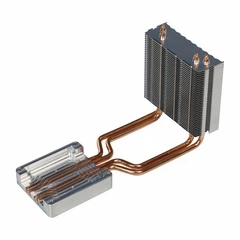
Tunnel brazing is a highly efficient and precise joining process widely used in various industries, including automotive, aerospace, and electronics. As a tunnel brazing process supplier, we understand the importance of selecting the right materials to ensure the quality and performance of the brazed joints. In this blog post, we will explore the different materials that can be used in the tunnel brazing process and their applications.
Base Metals
The base metals are the primary components that are joined together during the brazing process. They play a crucial role in determining the mechanical properties, corrosion resistance, and overall performance of the brazed assembly. Here are some of the commonly used base metals in tunnel brazing:
Aluminum
Aluminum is a lightweight and corrosion-resistant metal that is widely used in the automotive and aerospace industries. It has excellent thermal conductivity, making it an ideal choice for heat exchangers and cooling systems. In tunnel brazing, aluminum alloys are typically used due to their improved strength and formability. For example, the Lightweight Automotive Controller Water Cooling Plate and Automotive Controller Water Cooling Plate often utilize aluminum alloys to provide efficient heat dissipation for automotive controllers.
Copper
Copper is another popular base metal in tunnel brazing due to its high electrical and thermal conductivity. It is commonly used in electrical components, such as motors, transformers, and circuit boards. Copper also has good corrosion resistance and can be easily brazed to other metals. In addition, copper alloys, such as brass and bronze, are often used to improve the strength and hardness of the brazed joints.
Stainless Steel
Stainless steel is a corrosion-resistant alloy that contains chromium, nickel, and other elements. It is widely used in the food processing, pharmaceutical, and chemical industries due to its hygienic properties and resistance to corrosion. In tunnel brazing, stainless steel can be brazed to other metals, such as aluminum and copper, to create complex assemblies. The Cavity-type Energy Storage Battery Water Cooling Plate may use stainless steel in some parts to ensure durability and corrosion resistance in the energy storage battery system.
Steel
Steel is a strong and durable metal that is commonly used in structural applications. It can be brazed to other metals to create joints with high strength and stiffness. In tunnel brazing, low-carbon steel and alloy steel are often used. Low-carbon steel is easy to braze and has good weldability, while alloy steel can provide improved mechanical properties, such as high strength and hardness.
Brazing Filler Metals
Brazing filler metals are used to join the base metals together. They melt at a lower temperature than the base metals and flow into the joint by capillary action. The choice of brazing filler metal depends on the base metals being joined, the application requirements, and the brazing process. Here are some of the commonly used brazing filler metals in tunnel brazing:
Aluminum Brazing Alloys
Aluminum brazing alloys are specifically designed for brazing aluminum and aluminum alloys. They typically contain silicon, copper, and other elements to improve the wetting and flow characteristics. Aluminum brazing alloys can be used in a variety of applications, such as heat exchangers, automotive components, and aerospace parts.
Copper-Based Brazing Alloys
Copper-based brazing alloys are widely used for brazing copper, brass, and other copper alloys. They have good wetting and flow properties and can provide high-strength joints. Copper-based brazing alloys are also suitable for brazing to other metals, such as stainless steel and nickel alloys.


Silver-Based Brazing Alloys
Silver-based brazing alloys are known for their excellent wetting and flow properties, high strength, and good corrosion resistance. They are commonly used for brazing a wide range of metals, including copper, brass, stainless steel, and nickel alloys. Silver-based brazing alloys are often used in applications where high-quality joints are required, such as electrical and electronic components.
Nickel-Based Brazing Alloys
Nickel-based brazing alloys are used for brazing high-temperature alloys, such as nickel alloys, stainless steel, and cobalt alloys. They have high melting points and can provide joints with excellent strength and corrosion resistance at elevated temperatures. Nickel-based brazing alloys are commonly used in aerospace, power generation, and chemical processing industries.
Fluxes
Fluxes are used in the tunnel brazing process to remove oxides and other contaminants from the surface of the base metals and filler metals. They also help to improve the wetting and flow of the filler metal, ensuring a strong and reliable joint. Here are some of the commonly used fluxes in tunnel brazing:
Aluminum Fluxes
Aluminum fluxes are specifically designed for brazing aluminum and aluminum alloys. They are formulated to remove the tough aluminum oxide layer and promote good wetting and flow of the aluminum brazing filler metal. Aluminum fluxes are available in different forms, such as pastes, powders, and liquids.
Copper and Brass Fluxes
Copper and brass fluxes are used for brazing copper, brass, and other copper alloys. They can remove the copper oxide layer and improve the wetting and flow of the copper-based brazing filler metal. Copper and brass fluxes are also available in various forms.
Stainless Steel Fluxes
Stainless steel fluxes are designed to remove the chromium oxide layer on the surface of stainless steel and promote good wetting and flow of the brazing filler metal. They are often used in applications where stainless steel is brazed to other metals.
Applications of Tunnel Brazing with Different Materials
The combination of different base metals, brazing filler metals, and fluxes in tunnel brazing allows for a wide range of applications. Here are some examples:
Automotive Industry
In the automotive industry, tunnel brazing is used to manufacture various components, such as radiators, condensers, evaporators, and engine cooling systems. Aluminum and copper alloys are commonly used as base metals, and aluminum brazing alloys or copper-based brazing alloys are used as filler metals. The use of tunnel brazing ensures high-quality joints and efficient heat transfer in these automotive components.
Aerospace Industry
The aerospace industry requires high-strength and lightweight components with excellent corrosion resistance. Tunnel brazing is used to join aluminum, titanium, and other high-performance alloys. Nickel-based brazing alloys are often used to provide joints with high strength and durability at elevated temperatures.
Electronics Industry
In the electronics industry, tunnel brazing is used to manufacture printed circuit boards, connectors, and other electrical components. Copper and copper alloys are commonly used as base metals, and silver-based brazing alloys are used to provide high-quality joints with good electrical conductivity.
Why Choose Our Tunnel Brazing Services
As a tunnel brazing process supplier, we have extensive experience and expertise in selecting the right materials for different applications. We offer a wide range of base metals, brazing filler metals, and fluxes to meet the specific requirements of our customers. Our state-of-the-art tunnel brazing equipment and advanced process control ensure high-quality and consistent brazed joints.
We also provide customized solutions based on our customers' needs. Whether you need a simple brazed assembly or a complex component, we can work with you to develop the best brazing solution. Our team of engineers and technicians is dedicated to providing excellent customer service and support throughout the project.
If you are interested in our tunnel brazing services or have any questions about the materials used in the tunnel brazing process, please feel free to contact us for procurement and further discussions. We look forward to working with you to achieve your project goals.
References
-ASM Handbook, Volume 6: Welding, Brazing, and Soldering, ASM International.
-Welding Handbook, American Welding Society.
-“Brazing and Soldering,” Metals Handbook Desk Edition, ASM International.